Cheapest Digital Nomad Visas With Low Income Requirements

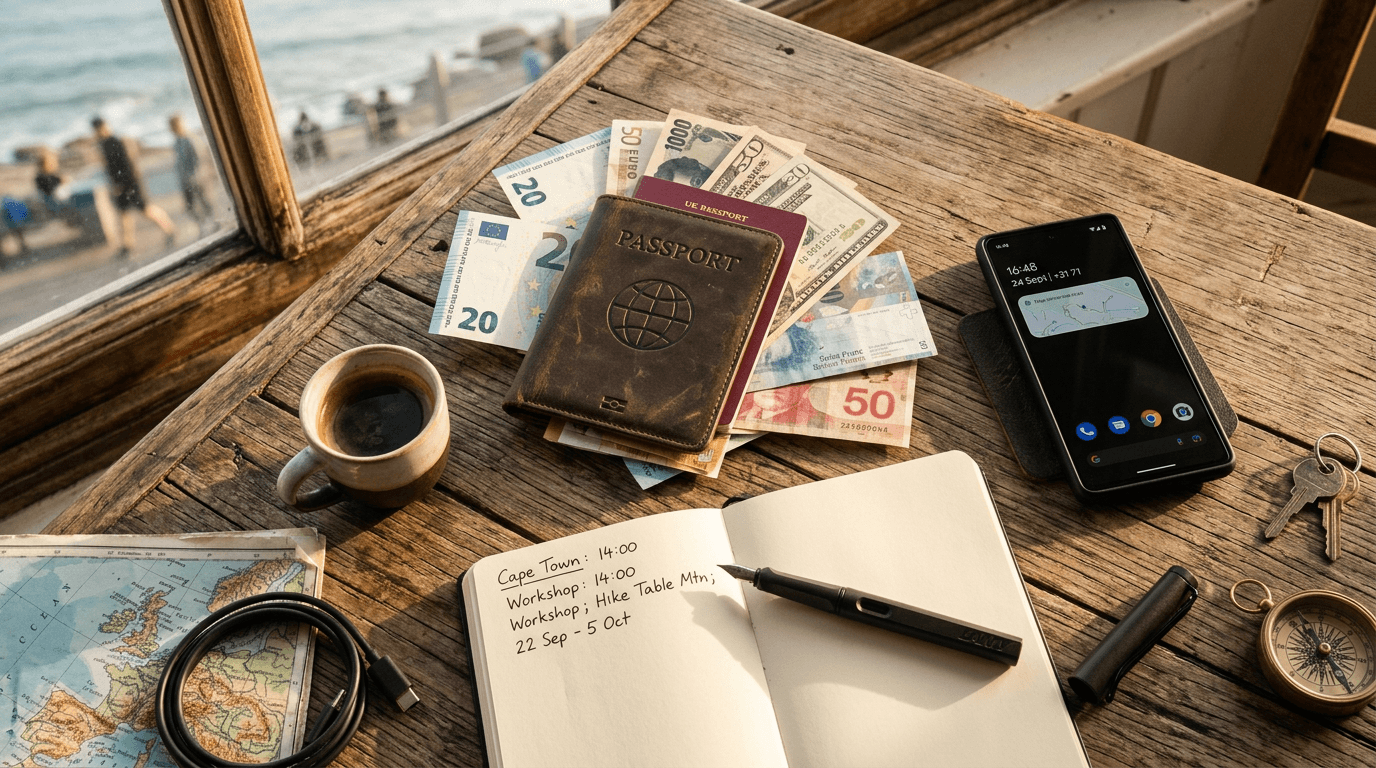
Cheapest digital nomad visas aren't always the ones with the lowest sticker price, they're the ones that ask for a realistic income, modest paperwork and no local-employment trap. In 2026, the best deals tend to sit in Latin America and Eastern Europe, where some programs start around $1,300 to $1,500 a month in foreign income.
What makes a visa truly cheap
A low fee helps, but the real cost is the minimum income for nomad visa approval. A program can have a tiny application fee and still be expensive if it demands $4,000 or more in monthly earnings.
The smartest shortlist for budget-conscious remote workers usually balances four things, income floor, government fees, processing time and how long the stay lasts. That's why a few low income digital nomad visa routes stand out again and again for freelancers and remote employees with foreign clients.
1. Colombia's Visitor visa for digital nomads
Colombia is one of the clearest answers for nomads chasing a low barrier to entry. The Visitor visa, often called the digital nomad visa, asks for income equal to 3 times the legal monthly minimum wage, which works out to about COP 5,252,715 a month, roughly $1,300 to $1,400 depending on exchange rates.
The appeal is simple. It can be granted for up to 2 years, processing is usually around 30 days and total fees are roughly $220 to $235. Medellín and Bogotá are the usual bases because the infrastructure is solid and the costs still undercut a lot of Europe.
The catch is strict. Authorities now want bank statements that show the income every month, not just a contract and the money has to come from outside Colombia. Local clients can push applicants out of this route fast.
2. Brazil's VITEM XIV digital nomad visa
Brazil's VITEM XIV is another strong pick for workers who can prove modest but steady remote income. The standard requirement is about $1,500 a month in foreign-source earnings or $18,000 in savings, which keeps it within reach for many full-time freelancers.
It's usually issued for 1 year and can be renewed for at least one more year. That makes it attractive for people who want a longer runway in places like Rio de Janeiro, São Paulo or Florianópolis without jumping straight into a residency maze.
This visa is still cheap in the broader sense, but it has a hard line on local work. Paid work for Brazilian clients can shift the applicant into a different visa category, so anyone with mixed income streams should sort that out before applying.
3. Moldova's digital nomad visa
Moldova is one of the newest affordable countries for digital nomads in Europe. Its digital nomad visa became effective in 2025 and offers a 2-year stay with renewal potential, aimed at remote workers for foreign companies or owners of foreign businesses.
The income expectation sits around €1,300 to €2,000 a month, roughly $1,400 to $2,200, plus proof of health insurance and accommodation. Government fees are about €80 to €100, which keeps the upfront spend low for a European program.
What makes Moldova worth watching is how new it's. Rules are still settling and authorities can tighten documentation or income checks, especially for dependents. Local work isn't allowed, so this is best for applicants with clean, foreign-only earnings.
4. Nepal's new 5-year digital nomad visa
Nepal is the sleeper option in this group. A new 5-year visa framework has been moving online and it's one of the most interesting low income digital nomad visa routes because the bar is unusually gentle compared with most long-stay programs.
The exact applicant profile is still evolving, but the headline is clear, the country is trying to attract remote workers without pricing them out. That matters for freelancers who want a longer base in Asia without the income pressure common in Southeast Asia or the Gulf.
Because the scheme is new, the practical move is to check the latest immigration notice before booking anything nonrefundable. New visas often shift fast, especially during rollout and document lists can be broader than the headline income rule suggests.
5. Albania's Unique Permit for Digital Mobile Workers
Albania deserves a place on any list of easiest low cost nomad visas because the income floor is genuinely low. The Unique Permit for Digital Mobile Workers requires about €882 a month, which is among the lowest published thresholds in Europe.
The country is also simple to live in for a while. Tirana has the strongest infrastructure, while coastal towns can be more relaxed and budget-friendly. For nomads trying to keep rent and paperwork both manageable, that combination matters.
The permit is still a serious residency step, though, so applicants should line up bank statements, housing proof and health coverage before filing. A low threshold doesn't mean loose paperwork.
6. Colombia and Brazil are the best budget pair for Latin America
This isn't a separate visa, but it's worth saying plainly: Colombia and Brazil are the strongest Latin American answers for remote workers who want cheaper entry requirements plus real city life. Colombia is lower on paper, Brazil is a bit higher but still accessible and both beat many higher-fee destinations on pure flexibility.
Colombia works well for nomads who want a two-year runway and can document monthly foreign income consistently. Brazil suits applicants who prefer a one-year renewable setup and don't mind more consulate-style paperwork.
For many freelancers, the choice comes down to cash flow. Colombia is better for thinner margins, while Brazil can be easier for people with savings as a backup.
7. Moldova and Albania for Europe on a budget
Moldova and Albania are the most attractive European routes for applicants who want affordability without chasing a premium visa. Moldova offers a newer, longer-stay framework, while Albania keeps the income threshold low enough to feel accessible to more freelancers.
Neither is a throwaway option. Both can work well for remote workers who need a legal base, stable internet and lower monthly burn than Western Europe usually allows.
The practical trade-off is paperwork and policy change. Newer or lower-cost schemes often shift faster than established residency systems, so applicants should check consulate guidance before they buy flights or sign leases.
8. Cape Verde's remote working program
Cape Verde is one of the few island options that still feels relatively affordable on the entry side. The Remote Working Program costs about $22 and lasts 12 months, which makes it unusually light on upfront visa expense.
The country is appealing for nomads who want ocean access without paying Caribbean-level visa prices. It's not the cheapest place to live once on the ground, but the visa itself is a bargain compared with many island programs.
This one fits remote employees more than short-term tourists chasing a beach month. Budget planning should include housing, flights and island logistics, because those can outrun the visa fee quickly.
9. Uruguay's temporary digital nomad route
Uruguay is another low-friction option, even though the route is lighter than a classic digital nomad visa. The Hoja de Identidad Provisoria Nómada Digital costs about $10, which makes it one of the cheapest formal entry points anywhere.
It's a strong fit for remote workers who care more about legality and flexibility than about squeezing every dollar. Montevideo and Punta del Este have the infrastructure, while smaller coastal towns can keep monthly spend lower.
The obvious upside is the low fee. The trade-off is that the route isn't as clearly positioned as a long, formal nomad residency in the way Colombia or Brazil are.
10. The Philippines' digital nomad visa framework
The Philippines has been building a nomad framework rather than a single old-school visa and that makes it interesting for 2026. The draft rules are still in motion, but the income side is expected to be light compared with many established visas and some versions may not set a fixed minimum at all.
That said, nationality reciprocity matters here. Some applicants may only qualify if their passport country offers similar treatment to Filipinos, so this isn't a universal option in the way Colombia or Brazil can be.
For now, the Philippines is better treated as a developing route than a finished product. Remote workers watching Asia should keep an eye on it, especially if they want a low-cost base in Cebu, Manila or one of the more affordable provincial cities.
How to choose the right cheap visa
The lowest monthly number isn't always the best deal. A visa with a slightly higher income floor can still be cheaper overall if the fee is low, the processing is fast and the renewal path is clean.
For applicants comparing the cheapest digital nomad visas, the best first question is simple, can the foreign income be proven every month with bank statements? After that, check whether the program bans local clients, whether the stay affects tax residency after 183 to 186 days and whether dependents raise the income floor.
Official pages are the safest place to verify shifting rules. Colombia's immigration system is the main reference for its visa categories, Brazil's government visa portal is where the VITEM XIV rules are set and Moldova's Bureau of Migration and Asylum controls the newer European route.