South Korea brings D-2 and D-4 visa services to 10 campuses through Sept. 30

| General matters | 10 days |
|---|---|
| Further investigation | 60 days |
South Korea takes D-2 and D-4 visa services to 10 campuses
International students who previously needed a separate immigration-office visit can now complete residence paperwork on participating campuses, with Seoul’s mobile service operating through September.
Mobile processing covers 10 universities
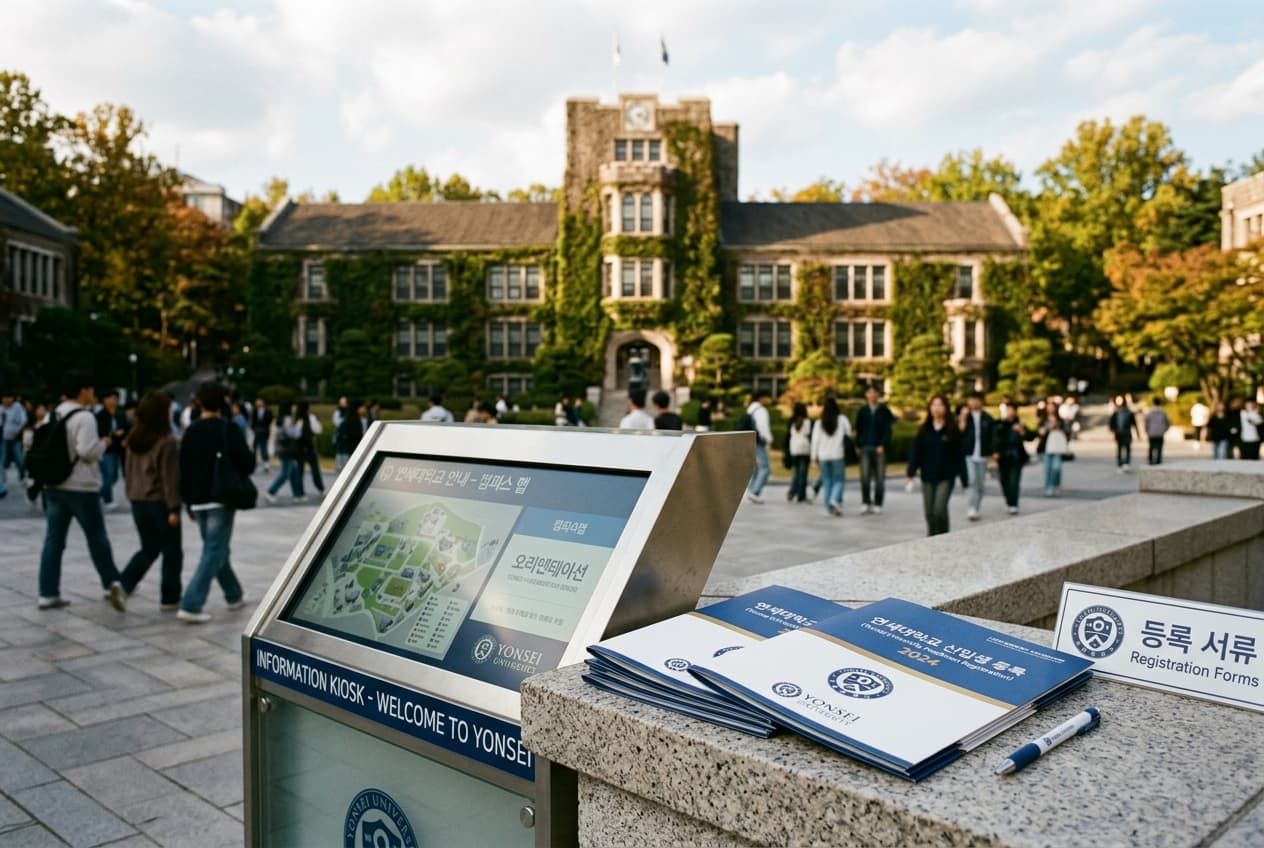
The Seoul Immigration Office is visiting 10 universities in its jurisdiction, focusing on schools with at least 100 new international students this semester. The service covers residence registration for students holding D-2 student visas and D-4 language-training visas.
Eligible students may handle part-time work permit administration during the visits. The temporary setup addresses paperwork burdens and processing delays raised at a recent forum involving representatives from 30 universities.
The service applies to university-affiliated students, not tourists or typical digital nomads. Broader visa and residence information is available in Stamped Nomad’s guide to moving to South Korea.
Smaller schools get a September desk
Universities outside the 10-campus schedule won’t receive the mobile team. Instead, their international students can use a dedicated desk at Window No. 8 in the Seoul Immigration Office from Sept. 1-30 for residence matters and electronic part-time work applications.
Students staying in South Korea for more than 90 days must complete foreigner registration within 90 days of entry. Those whose campuses aren’t receiving a visit should use the September desk or file through Hi Korea before that registration deadline.
Part-time work still requires permission
Students on D-2 or D-4-1 visas must secure school confirmation and immigration permission before starting part-time work. Applications can be filed at the responsible immigration office or through Hi Korea’s electronic application system.
Required records include Form No. 34, a passport, residence card, employment agreement, school-issued permit paperwork, transcript or attendance proof, evidence of Korean proficiency and the employer’s business registration certificate. The application fee is exempt.
General applications list a 10-day processing time, while cases requiring further investigation can take up to two months. Students who change part-time workplaces must report the change within 15 days.
Frequently asked questions
Which students can use the Seoul Immigration Office campus service?
What immigration tasks can be done on campus in Seoul?
How long do students have to complete foreigner registration in South Korea?
What should students do if their university is not one of the 10 campus stops?
Which visa categories are handled at the dedicated Seoul Immigration Office desk?
Does this service apply to tourists or short-term digital nomads?
Stay updated on South Korea
Visa changes, travel alerts, and destination news — delivered when they actually matter.