Poland Transitions to Mandatory Digital Residence Permits

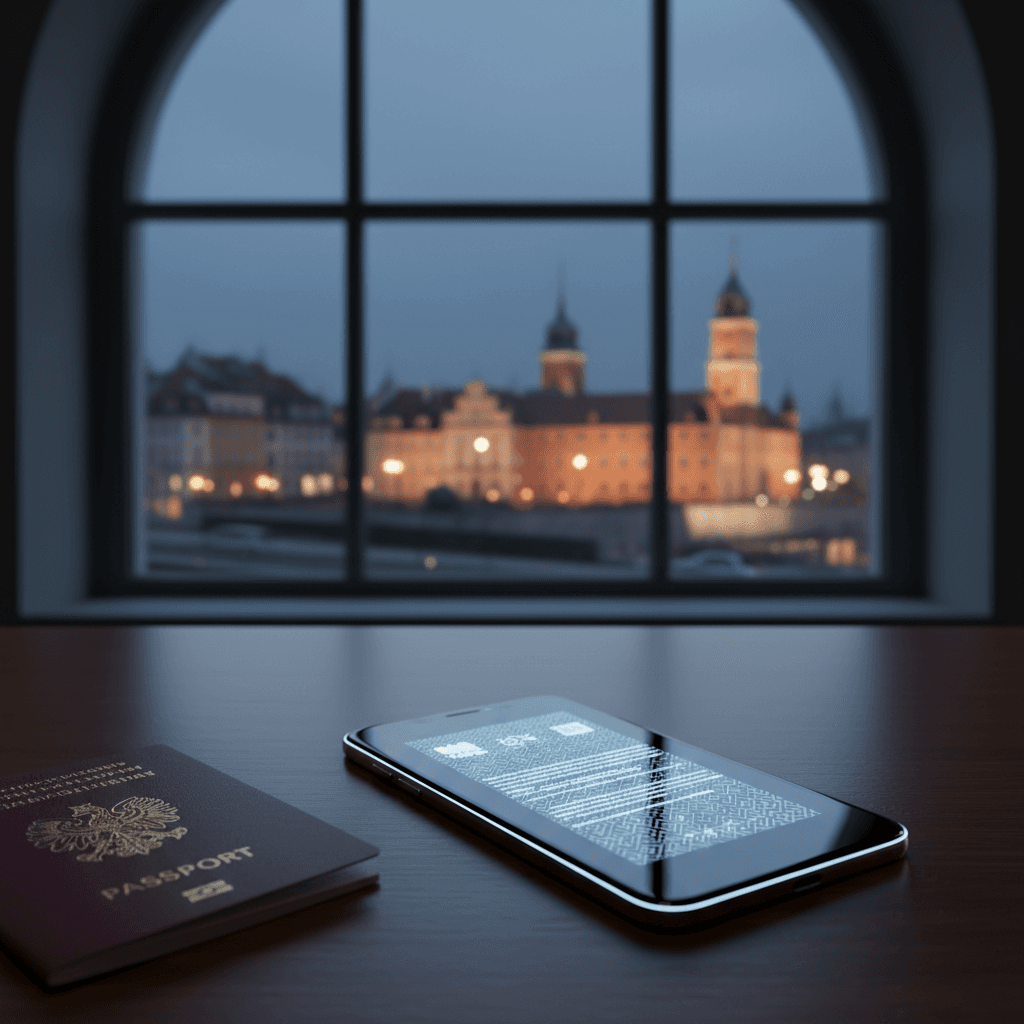
Poland is finalizing a major shift in its immigration system by moving all residence permit applications to the MOS (Moduł Obsługi Spraw) portal. This change requires applicants for temporary, permanent, and EU long-term residence to submit their files exclusively online. The new system aims to eliminate physical queues and third-party intermediaries by providing a free, direct platform for submissions.
The Ministry of the Interior and Administration will trigger the official switch with a 14-day notice period. Once the portal is live, any paper applications mailed or dropped off will be considered "not filed" and will not be processed. This digital-first approach marks the end of the traditional "stamp in the passport" era for initial filing.
Who is affected
This update primarily impacts expats and digital nomads planning to stay in Poland beyond the standard 90-day Schengen limit. If you are currently in Poland on a Type D visa and need to transition to a residence permit, you will use this portal. While tourists on short stays are unaffected, anyone renewing a permit for work, study, or business must adapt to the new digital workflow.
What you need to do
If your current permit expires in the coming weeks, consider filing a paper application immediately to avoid being caught in the transition window. Once the digital mandate begins, you must follow these steps:
- Create a new account on the MOS portal via login.gov.pl, as old credentials will not transfer.
- Upload high-quality scans of your passport, photos, and supporting documents.
- Ensure employer or school attachments are signed with a qualified e-signature.
- Pay the increased fees electronically, which now range from PLN 340 to PLN 800 depending on the permit type.
- Attend an in-person appointment for fingerprints and signature after your digital submission is confirmed.
A few practical notes on the mechanics: the qualified e-signature is usually generated for free through a Trusted Profile (Profil Zaufany) or an EU e-ID, though buying one commercially runs about PLN 300. National D-visa fees stay at roughly €200, and the MOS portal supports English and Ukrainian, but sessions time out quickly, so prepare scans in advance and pay from a Polish bank account where possible. Filing on paper after the switch is not merely treated as "not filed" , it can draw fines of up to PLN 50,000.
A downloadable confirmation from the portal will serve as your legal proof of stay while your application is pending. Keep an eye on nomad news for the exact activation date to ensure your legal status remains uninterrupted.
Read our full Poland guide for the complete picture.
Frequently asked questions
How do you apply for a residence permit in Poland after the digital switch?
Who needs to use Poland's MOS portal for residence permits?
What happens if I file a paper residence permit application after the switch?
What documents do I need for Poland's digital residence permit application?
How do I get a qualified e-signature for the MOS portal?
Do I still need to attend an in-person appointment after applying online in Poland?
Can I use a confirmation from the MOS portal as proof of legal stay?
Stay updated on Poland
Visa changes, travel alerts, and destination news — delivered when they actually matter.