Thailand reports 1,043 LTR approvals for overseas-employed nomads

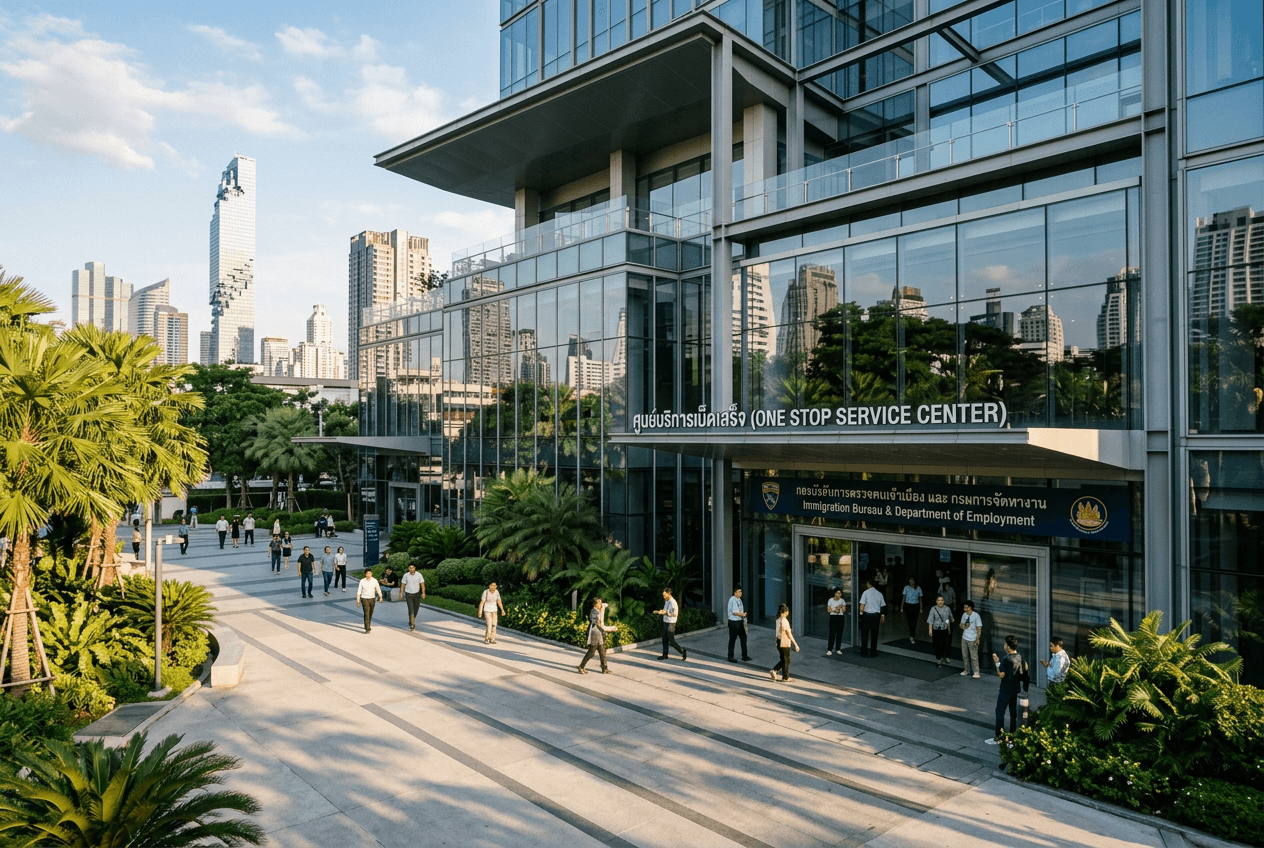
Thailand's Long-Term Resident (LTR) visa has approved 1,043 Work-from-Thailand Professionals in its first four years, with an integrated online application process now operating, the Board of Investment (BOI) reported Oct. 5.
New figures and a connected application process
The program has approved 12,010 recipients overall since its September 2022 introduction, including professionals, wealthy residents, pensioners and dependents, BOI said.
The agency rolled out its integrated digital processing portal in September 2026, not on the October announcement date. It centralizes reviews involving the Department of Consular Affairs, Immigration Bureau, Department of Employment and Revenue Department. Applicants still need to meet their category's requirements and undergo agency checks.
Which remote workers fit the LTR route
Work-from-Thailand Professionals work remotely for overseas employers. The standard personal income requirement is an average of at least $80,000 annually over the previous two years. Applicants earning at least $40,000 but below $80,000 may qualify under additional rules involving a master's degree, intellectual property or qualifying Series A funding, according to HLB Thailand's eligibility guidance.
Income alone isn't enough. The employer must meet company criteria, such as being publicly listed or being a private company operating for at least three years with more than $50 million in combined revenue during the past three years. Qualifying wholly owned subsidiaries are covered. That makes this a route for nomads employed by established overseas businesses, rather than independent freelancers without a qualifying employer.
Workers taking Thai employment fall outside the Work-from-Thailand category. BOI offers a separate Highly-Skilled Professionals category. Short-stay visitors and holders of other visas aren't covered by the LTR processing update.
Application steps and existing benefits
Applicants can create an account and submit directly through BOI's LTR online system. BOI doesn't charge for qualification endorsement. Health insurance, qualifying social security coverage or a qualifying deposit is required.
The visa offers an initial five-year stay, extendable by another five years if qualifications remain satisfied and annual immigration reporting instead of 90-day reporting. The government visa fee is 50,000 baht, approximately $1,500, per person, according to HLB Thailand. Its guidance gives applicants 60 days after endorsement to proceed with visa issuance.
Frequently asked questions
Did Thailand launch a new remote-work visa in October?
Can independent freelancers use the Work-from-Thailand category?
What income does the remote-worker category require?
Is applying through BOI free?
Stay updated on Thailand
Visa changes, travel alerts, and destination news — delivered when they actually matter.