What Non-EU Travelers Need to Know About Austria's Border Checks

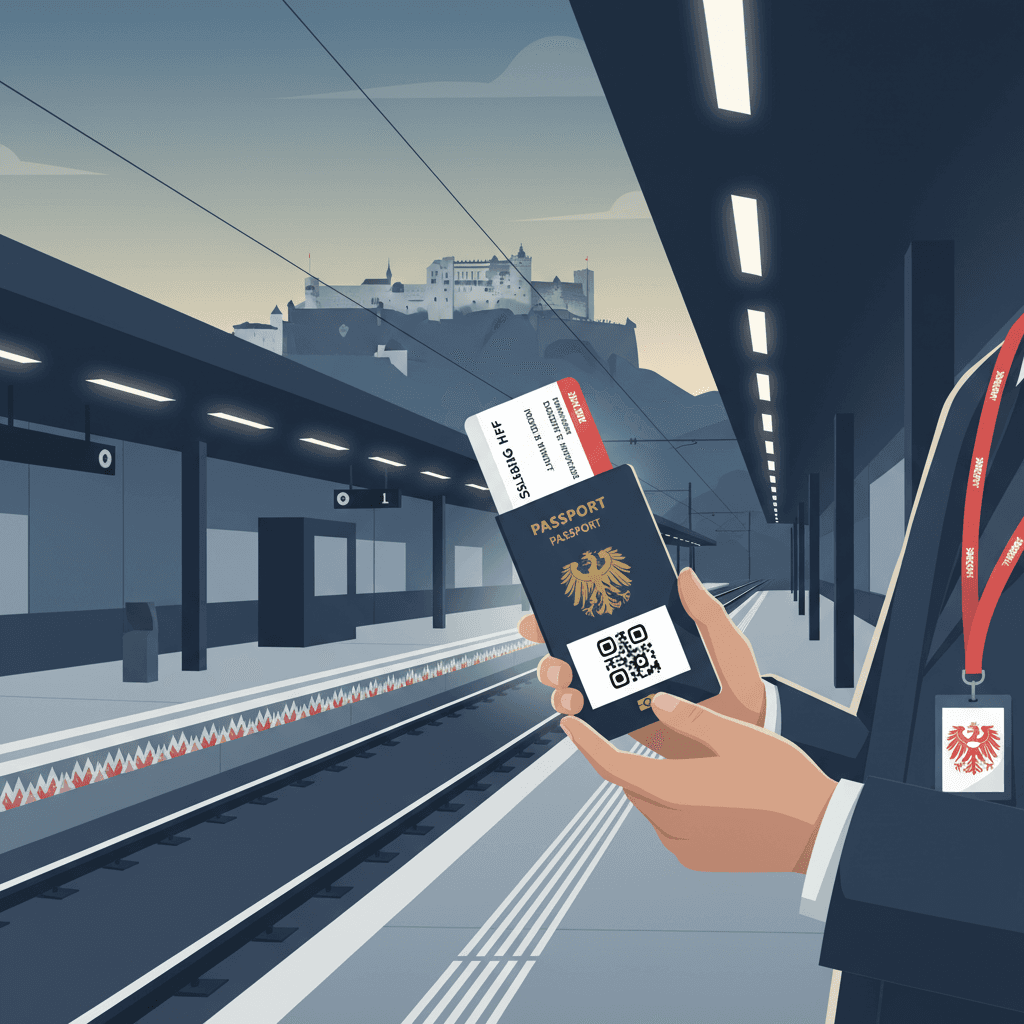
Austria's been tightening things up at transport hubs and if you're passing through on a short stay, you'll want to know what you're walking into. Two overlapping measures are in play right now and honestly, they affect a lot of nomads more than they realize.
"Planquadrat" operations are mobile identity sweeps run by Austria's Interior Ministry, using 2,500 trained police officers deployed at rail stations, airports and road crossings. The April 7 sweep at Salzburg Hauptbahnhof involved 30 officers, 280 identity checks and three arrests, all in one afternoon. These aren't fixed checkpoints, they're flexible and show up without warning, which makes them harder to anticipate than a standard border crossing. Salzburg, Linz and Graz transport hubs are all on the rotation.
Separately, the EU Entry/Exit System (EES) is now mandatory across the EU, requiring non-EU short-stay visitors to submit a facial scan and four fingerprints at staffed desks or self-service kiosks. First-time enrollment adds roughly 3 to 5 minutes to your entry, the system tracks your 90-day allowance automatically and overstay alerts are built in. No fee for travelers, though airlines face €8,000 fines for bad passenger data.
Who's affected: Non-EU tourists, short-stay visitors and nomads transiting Austrian hubs face the most scrutiny. Long-stay permit holders (Rot-Weiß-Rot Cards, D visas) are, turns out, exempt from EES enrollment, but you're still subject to Planquadrat identity checks at transport nodes. Internal Schengen border controls with Czech Republic, Slovakia, Hungary and Slovenia run through June 15, 2026, so even train journeys can involve spot checks.
What to do:
- Carry your original passport at all times, not a photocopy
- Have your visa, residence permit or proof of stay ready to show quickly
- Budget extra time at Austrian airports and major rail stations
- Pre-register biometrics via the EU "Travel to Europe" app up to 72 hours before arrival
- Keep boarding passes and booking confirmations handy in case of disputes
None of this is cause for panic, it's manageable if you're prepared. But getting caught without the right documents at Salzburg station is a bad afternoon you don't need.
Check our full Austria guide for visa details and the latest nomad news.
Frequently asked questions
What is Austria's Planquadrat immigration sweep?
Which travelers are most affected by Austria's border checks?
What do non-EU travelers need for Austria's EES checks?
Do travelers pay a fee for Austria's EES biometric checks?
Which Austrian transport hubs are seeing these identity checks?
Do I need to carry my passport during a short stay in Austria?
Stay updated on Austria
Visa changes, travel alerts, and destination news — delivered when they actually matter.