Fire Destroys Club Med Bali Restaurant in Nusa Dua, No Injuries Reported

What happened at the Nusa Dua resort
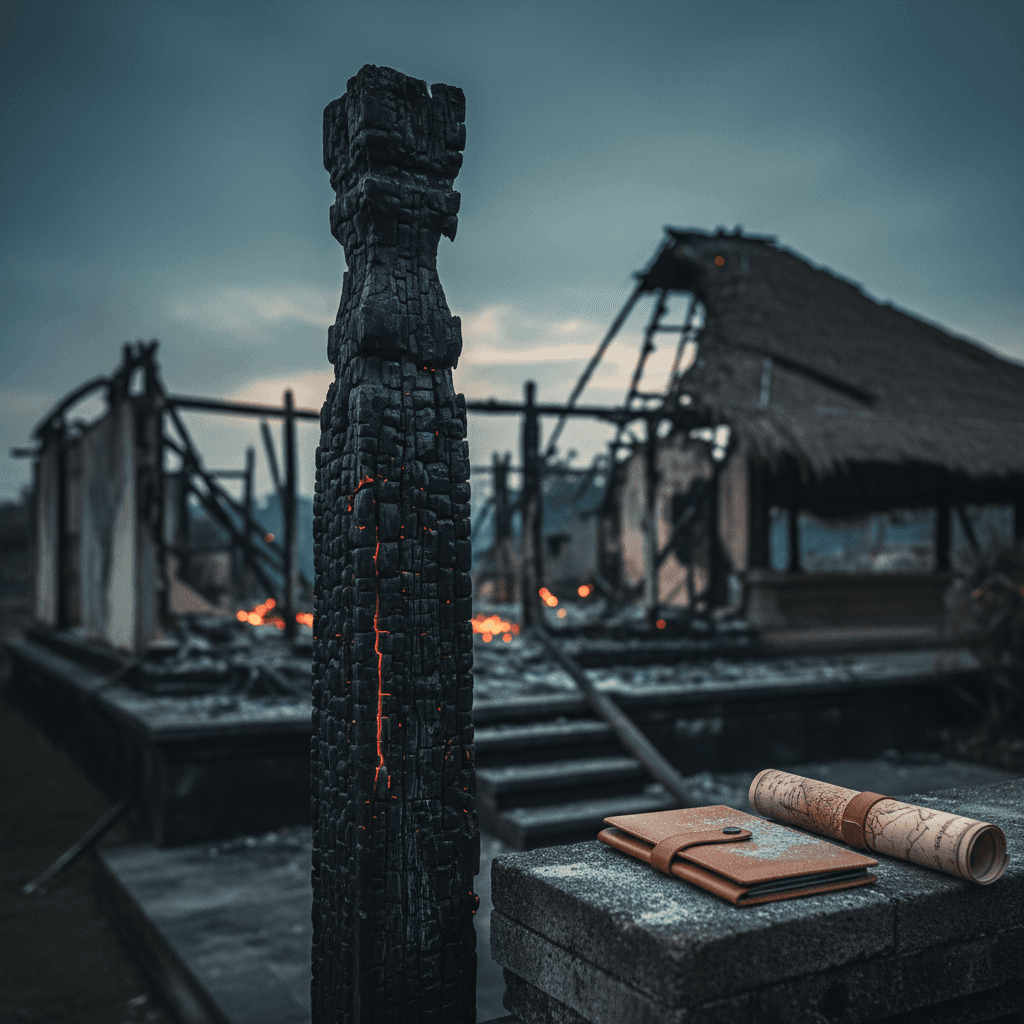
A fire at Club Med Bali in Nusa Dua destroyed the Agung Restaurant and several nearby facilities on April 24, leaving more than 5 billion IDR in damage and no injuries, local officials said. The blaze started around 6:50 a.m. WITA in a kitchen deep fryer and spread quickly through a wooden ceiling and thatching before crews got it under control.
Badung Regency fire crews sent eight trucks to the site and South Kuta Police later said the area was safe while investigators continued to review the cause. Resort operations have continued, but the affected spaces haven't announced a reopening date.
Why the fire matters for travelers
The damage landed during the run-up to Bali's dry season, when fire risk tends to rise in resorts built with wood or other flammable materials. Officials in Denpasar said the city had logged 87 fires from Jan. 1 through April, many tied to negligence or electrical problems.
For tourists, expats and digital nomads staying in beach-area properties, the main issue is simple: a hotel can look polished and still have weak fire precautions. The incident doesn't bring any visa or entry changes, but it does put resort safety back in view for guests in dense coastal areas.
What travelers should check at check-in
Ask where the nearest exits are, whether the property has working hydrants and how staff handle cooking and electrical faults. If a room or villa uses a lot of wood, thatching or exposed wiring, it's worth asking more than once.
The homepage also tracks similar visa updates, but this case is more about basic safety than paperwork. Read our full Indonesia guide for the complete picture.
Frequently asked questions
What happened at the Club Med resort in Nusa Dua?
What started the fire at the Nusa Dua resort?
Were there any injuries in the Club Med Bali fire?
Has Club Med Bali reopened the damaged areas?
Did the fire change visa or entry rules for Indonesia?
What should travelers check at check-in after a resort fire in Bali?
Stay updated on Indonesia
Visa changes, travel alerts, and destination news — delivered when they actually matter.