Understanding Cambodia's Dual Citizenship Registration

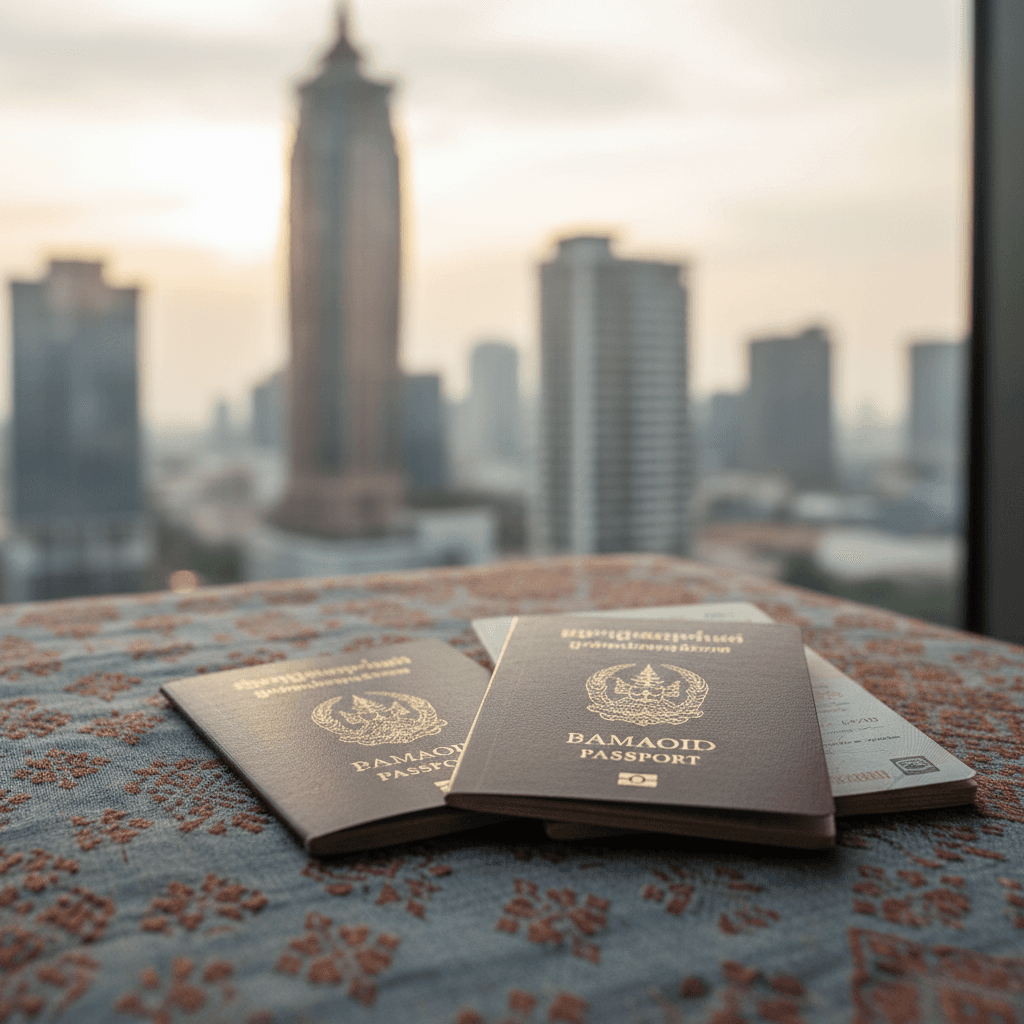
Cambodia has formalized its stance on dual nationality through Sub-Decree No. 225, providing much-needed clarity for the expat community. While the country has long been a favorite for remote workers due to its low cost of living, the legal framework for holding multiple passports was previously a gray area. The current law explicitly recognizes dual citizenship but introduces a mandatory requirement for all dual nationals to declare and register their foreign passports with the General Department of Identification.
Who needs to take action
This policy primarily affects long-term residents, investors, and those who have acquired Cambodian nationality through marriage or naturalization. If you hold a Cambodian passport alongside a foreign one, you must register to remain compliant.
For digital nomads on standard E-class visas, these changes mostly serve as a roadmap for the future. If you are looking at permanent settlement through the Cambodia My 2nd Home (CM2H) program or long-term residency of five to seven years, these rules define your eventual path to citizenship.
Requirements and pathways
The government has established clear, albeit expensive, fast-track routes for those looking to skip the standard residency timelines.
- Investment: A commitment of at least KHR 4 billion (approximately $1 million) in approved projects.
- Donation: A contribution of KHR 12 billion (approximately $3 million) to the national budget.
- Naturalization: Standard applicants must demonstrate Khmer proficiency, provide a clean criminal record, and undergo health checks.
Failure to register a foreign passport can lead to administrative penalties and may complicate business registrations or property ownership. Most naturalization applications are now reviewed within 45 working days, though the final approval requires a Royal Decree and an oath before the Supreme Court.
Stay updated on the latest nomad news to track how these regulations evolve.
Read our full Cambodia guide for the complete picture.
Frequently asked questions
Do dual citizens in Cambodia have to register their foreign passport?
Who needs to comply with Cambodia's dual citizenship registration rule?
What happens if you do not register a foreign passport in Cambodia?
What are the fast-track ways to get Cambodian citizenship?
What are the requirements for standard naturalization in Cambodia?
Does Cambodia's dual citizenship rule affect digital nomads on E-class visas?
Stay updated on Cambodia
Visa changes, travel alerts, and destination news — delivered when they actually matter.