The Small Print in the Schengen Entry/Exit System for Remote Workers

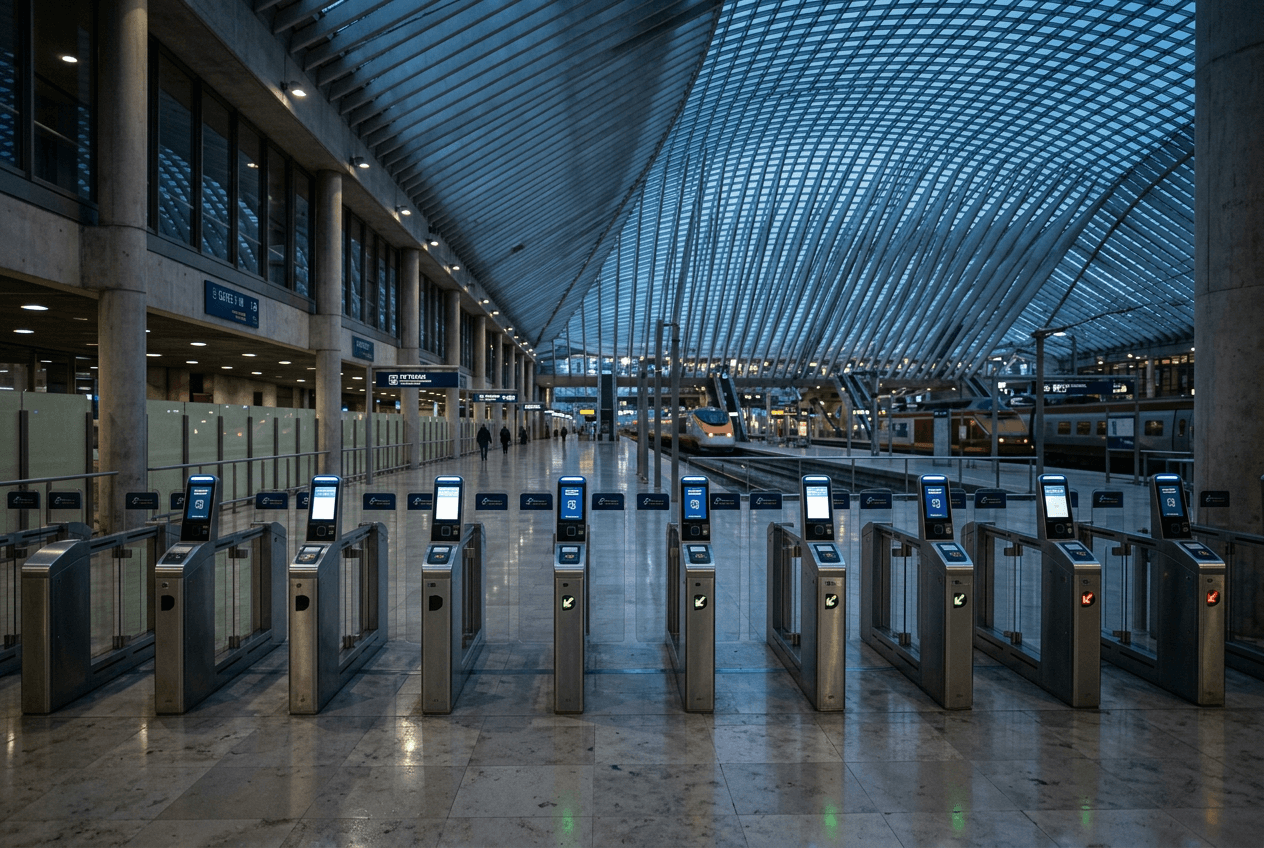
How the Entry/Exit System works
The EU’s Entry/Exit System (EES) now fully covers non-EU short-stay travelers at Schengen external borders. It has replaced manual passport stamping with a digital record of each entry, exit and refusal, including a facial image and fingerprints for eligible travelers.
The system became fully operational on April 10, 2026 after a phased rollout that began in October 2025. It applies across the 29 European countries using Schengen rules and doesn't change the 90/180-day rule or add a fee.
Who it affects at the border
EES applies to third-country nationals entering Schengen for short stays, including visa-exempt visitors, short-stay visa holders and non-EU travelers visiting for tourism, business or remote work as visitors. That includes many digital nomads and travelers from Southeast Asia who enter on short-stay terms.
EU citizens and nationals of Iceland, Liechtenstein, Norway and Switzerland aren't registered in the system. Long-term residents and people holding EU residence permits are generally handled under residence rules instead.
What travelers need to do
On a first EES crossing, travelers should expect passport scanning, a photo and four fingerprints at a kiosk or with a border officer. Later entries should be faster because border agents can verify stored data instead of starting from scratch.
EES gives authorities an exact record of time spent in Schengen, so overstays are easier to spot. There is no registration fee. Travelers who rely on frequent border crossings should check their status carefully, especially before and after trips outside Schengen.
Check our country guides for destination-specific details and visa updates.
Frequently asked questions
What is the EU Entry/Exit System for Schengen travelers?
Who does the Schengen Entry/Exit System apply to?
Does the Entry/Exit System change the Schengen 90/180-day rule?
Do travelers have to pay a fee for EES registration?
What happens the first time I cross a Schengen border under EES?
Don't miss the next nomad update
Visa changes, travel alerts, and destination news — delivered when they actually matter.