Thailand orders faster deportation for foreign criminal suspects

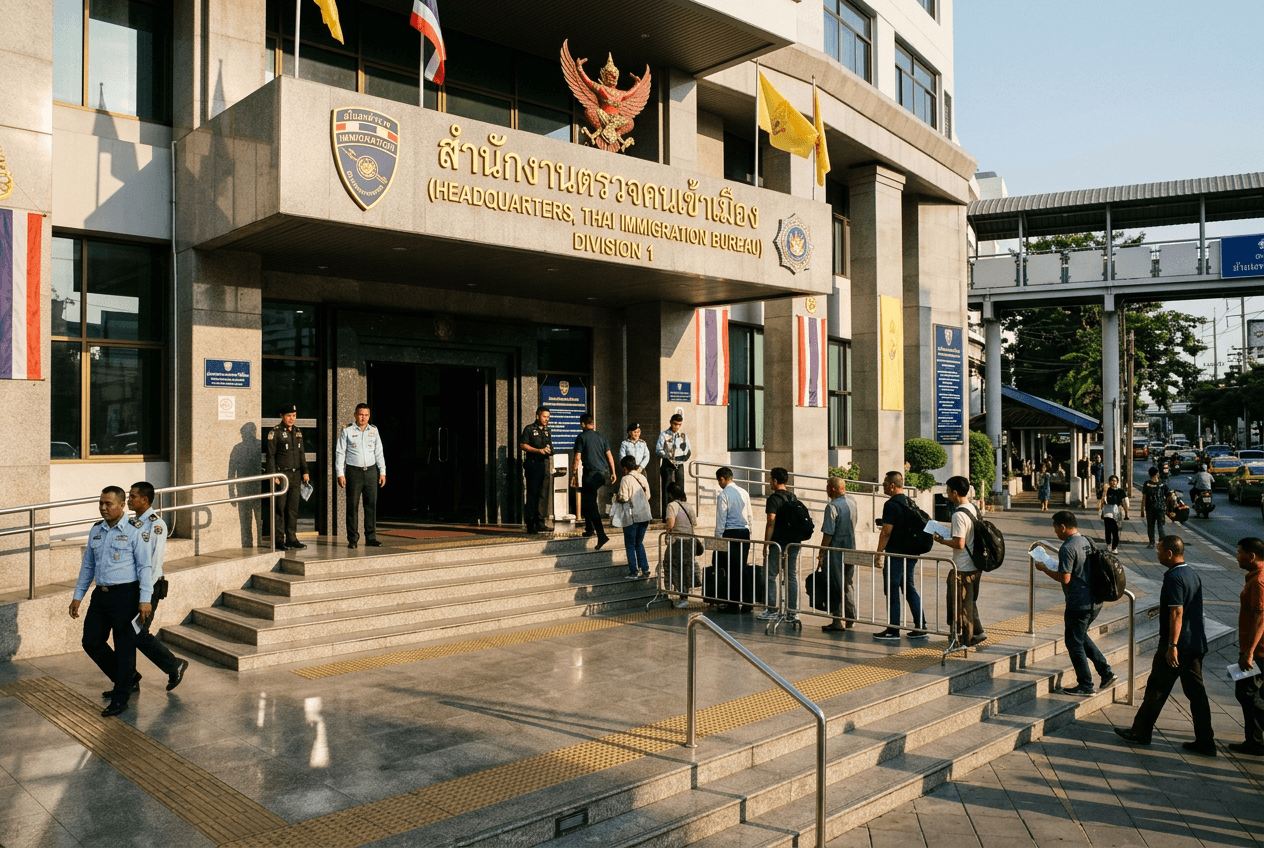
Cabinet orders faster removal of foreign criminal suspects
Thailand has directed agencies to draft amendments to the Immigration Act B.E. 2522 that would shorten the deportation timeline for foreigners linked to crimes, scams and visa abuse, according to a government spokesperson. The drafting work sits with Deputy Prime Minister Pakorn Nilprapunt, the Immigration Bureau and the Ministry of Interior, who must align changes with Thailand's international obligations.
Prime Minister Anutin Charnvirakul instructed prosecutors to handle criminal cases against foreigners decisively and deport offenders "as soon as possible" afterward. The spokesperson said current procedures are too slow because suspects must complete every stage of criminal proceedings before removal, often remaining free on bail and able to reoffend in the meantime.
No bill text, effective date or specific sections have been published. A separate Cabinet decision tightening visa-exemption and visa-on-arrival rules takes effect 15 days after Ministry of Interior notifications appear in the Government Gazette.
Who falls under the crackdown
Authorities have named Phuket, Koh Phangan, Hua Hin and Pai as enforcement focal points, citing transnational scam networks, online fraud rings and illicit businesses run by foreign nationals. Expect more raids, document checks and identity verification in those areas.
The policy targets four groups:
- Foreign criminal suspects, especially repeat offenders out on bail
- Operators of gray-market businesses on tourist visas
- Long-term visa abusers relying on border runs or mismatched visa categories
- Overstayers arrested rather than departing voluntarily
Tourists following the rules aren't the stated target, though border officers are applying stricter scrutiny to purpose of stay, onward tickets and proof of funds. Digital nomads working remotely on tourist entries face higher exposure if their activity is read as inconsistent with their visa type.
What applies right now
Existing penalties stand until the amendments are gazetted. Overstay fines remain 500 baht per day up to a 20,000 baht cap, with re-entry bans of one to 10 years depending on the length of overstay and whether departure was voluntary or enforced.
Long-stay visa holders should keep 90-day reporting, address registration and work permits current. Those on education, retirement, marriage or business visas should confirm their actual activities match the visa category on file before the next enforcement sweep reaches their area.
Read our full Thailand guide for the complete picture on visas, enforcement and long-stay options.
Frequently asked questions
What is Thailand changing about deportation for foreign criminal suspects?
Which agencies are involved in Thailand's deportation crackdown?
Which areas in Thailand are under the strongest enforcement pressure?
Who is targeted by Thailand's crackdown on foreign nationals?
What are Thailand's current overstay penalties?
Can digital nomads working remotely on a tourist entry face problems in Thailand?
What should long-stay visa holders in Thailand keep up to date?
Stay updated on Thailand
Visa changes, travel alerts, and destination news — delivered when they actually matter.