Singapore projects 18 million arrivals as per-visitor spending cools

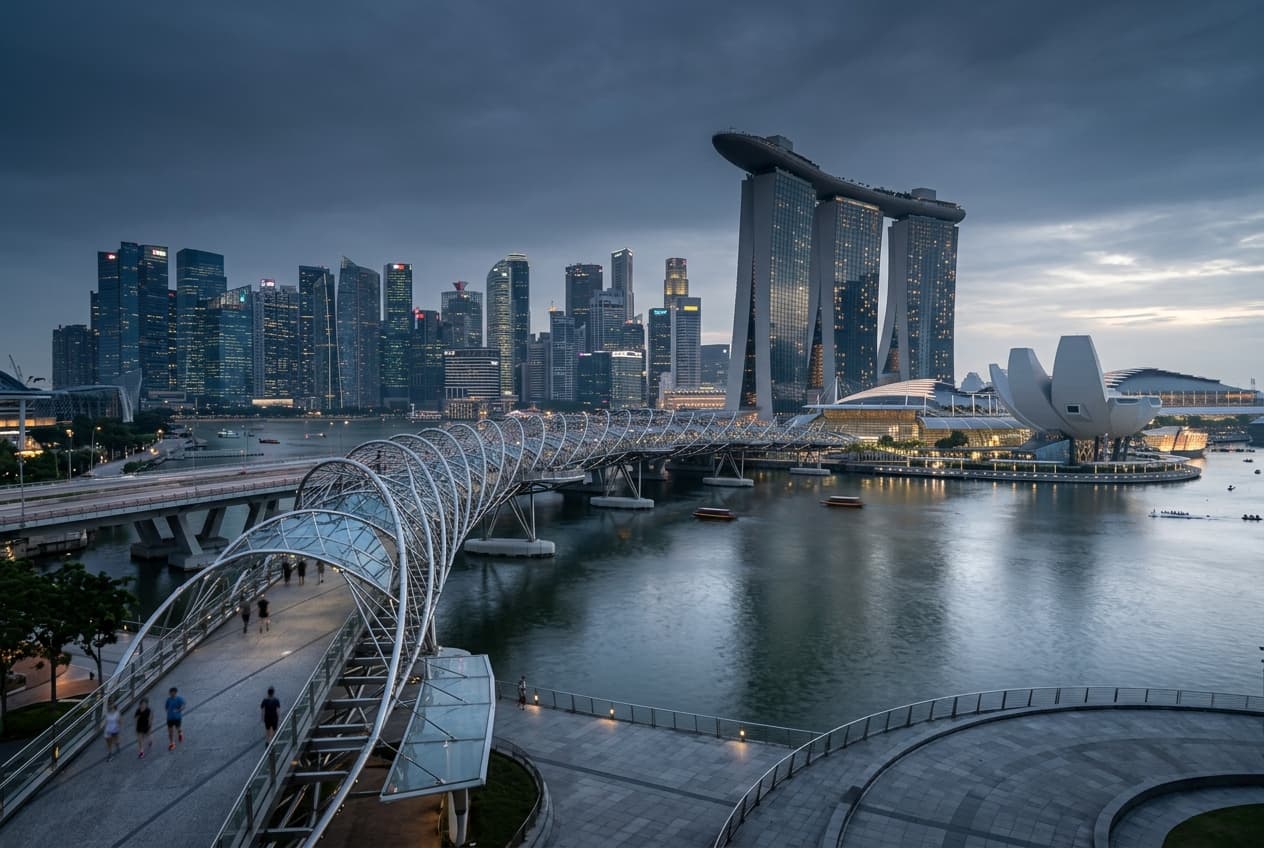
Headline: Singapore projects 18 million arrivals as per-visitor spending cools
What the 2026 tourism forecast says
The Singapore Tourism Board expects 17 to 18 million international visitor arrivals in 2026, up from 16.9 million in 2025, the agency said in its year-in-review communications. Tourism receipts are projected at S$31 billion to S$32.5 billion, slightly below the 2025 record of S$32.8 billion.
That gap between rising arrivals and flatter receipts points to weaker average spend per visitor. STB framed the outlook as "more measured" growth, citing global economic uncertainty and geopolitical tensions affecting travel demand.
The government has also committed roughly S$740 million in tourism development funding over the next five years, aimed at refreshing attractions and supporting smaller precinct-based experiences.
Who feels the shift
Leisure tourists should see more mid-range and bundled offers as operators compete for value-conscious travelers, though prices remain high overall. Business and MICE travelers stay a policy priority, which can push hotel rates up around major events in central districts.
Remote workers and long-stay visitors face the same accommodation and coworking cost pressures as tourism volumes hold near record highs. Singapore has no dedicated digital nomad visa, so remote workers typically enter on standard visitor passes or qualify under employment-based routes like the Employment Pass, ONE Pass or Tech.Pass.
Expats and residents are affected indirectly through rental prices and service-sector demand in central neighborhoods.
Practical notes for visitors and remote workers
No new tourism tax or special spending levy was announced alongside the forecast. Standard Goods and Services Tax (GST) applies to most purchases and accommodation pricing is set by the market.
Key points to plan around:
- Many EU, UK, US and ASEAN passport holders enter visa-free for short stays; others need a visa from the Immigration & Checkpoints Authority (ICA).
- Working for a local employer on a tourist visa isn't permitted; long-term remote work generally requires an employment pass.
- Budget-sensitive nomads may find better medium-term value in fringe neighborhoods or co-living setups rather than central districts.
Travelers should confirm entry requirements with ICA before booking, since rules vary by nationality and stay length.
Read our full Singapore guide for the complete picture and follow our nomad news feed for ongoing updates.
Frequently asked questions
Does Singapore have a digital nomad visa?
Can I work for a local employer on a tourist visa in Singapore?
Will Singapore add a new tourism tax for visitors?
What tourist arrival numbers is Singapore expecting in 2026?
How much tourism revenue does Singapore project for 2026?
Where can budget-sensitive nomads find better value in Singapore?
Do travelers need a visa to enter Singapore?
Stay updated on Singapore
Visa changes, travel alerts, and destination news — delivered when they actually matter.