Portugal resumes 100% EES biometric scans for non-EU arrivals Sept. 6

| Before Sept 6 | 0% |
|---|---|
| From Sept 6 | 100% |
Non-EU travelers landing in Portugal face longer border queues as immigration authorities resume mandatory photo and fingerprint collection for all short-stay arrivals.
Full EES screening returns across external borders
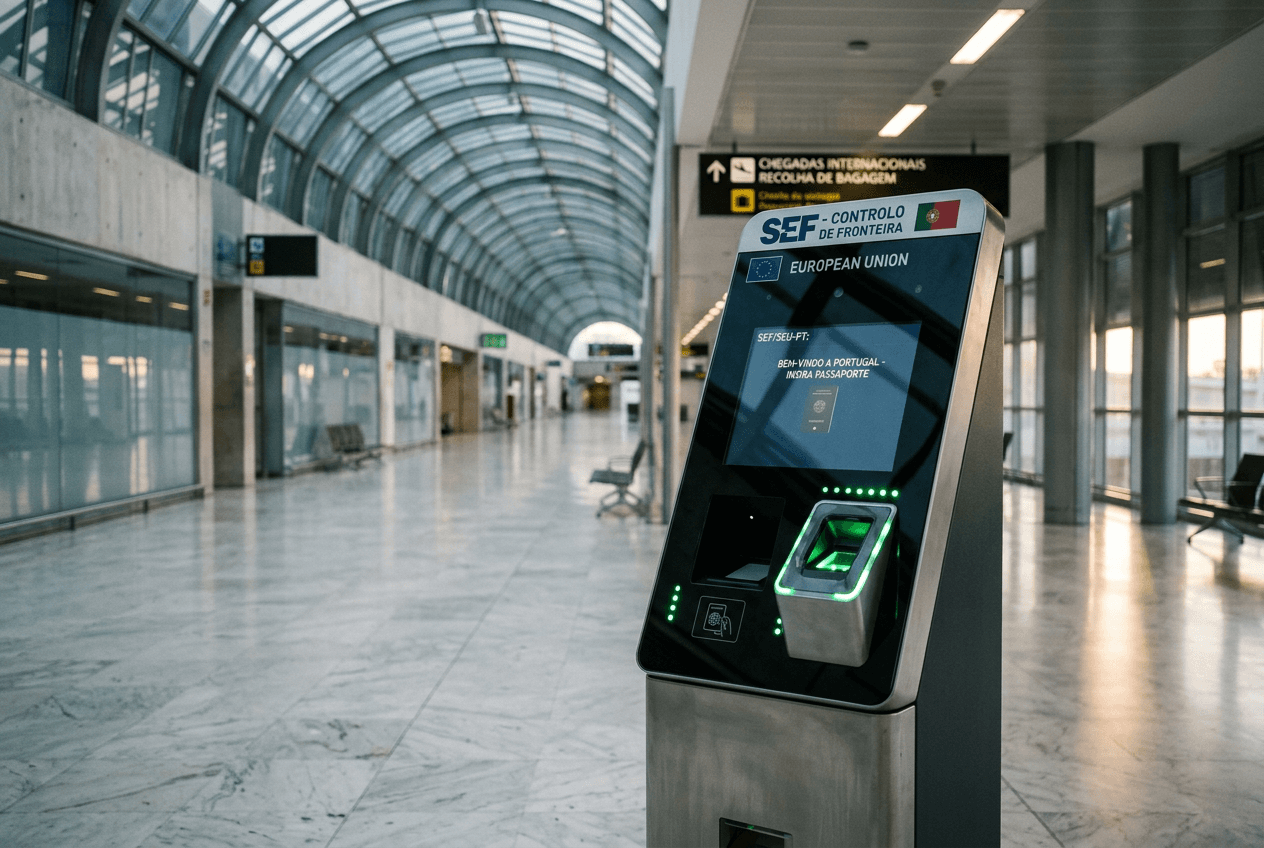
Beginning Sept. 6, 2026, border police will collect biometric data from 100% of non-EU citizens subject to the EU Entry/Exit System (EES), Prime Minister Luís Montenegro announced. The move ends a temporary flexibility window that allowed border officers to suspend fingerprinting and facial scans during peak summer traffic to curb extreme airport congestion.
Under EU rules, the EES replaces manual ink stamps with automated digital logs tracking passport details, biometric scans and Schengen 90-day limits. While the technical framework has operated at Portuguese air and sea border points since April 10, 2026, authorities had utilized temporary waivers to ease processing loads.
Short-stay nomads face queues while residents bypass scans
The strict biometric protocol targets third-country nationals entering Portugal for up to 90 days within any 180-day window. This group includes visa-exempt visitors from countries like the United States, United Kingdom and Canada, alongside remote workers visiting without long-term permits and travelers holding Type C Schengen visas.
Holders of Portuguese residence permits and long-stay visas remain legally outside standard EES registration, so nomads already living in Portugal on D8 or D7 permits can skip the biometric enrolment lines by showing their valid residence cards. Short-stay remote workers flying into Lisbon Airport should budget at least an extra hour for immigration processing during peak arrival banks.
Frequently asked questions
When does Portugal resume 100% biometric scans for non-EU arrivals?
Who has to go through EES biometric checks in Portugal?
Do Portuguese residence permit holders have to enroll in EES?
Will border processing take longer at Portuguese airports?
What does the EU Entry/Exit System replace in Portugal?
Stay updated on Portugal
Visa changes, travel alerts, and destination news — delivered when they actually matter.