Poland Updates Residence Rules for Ukrainian Refugees

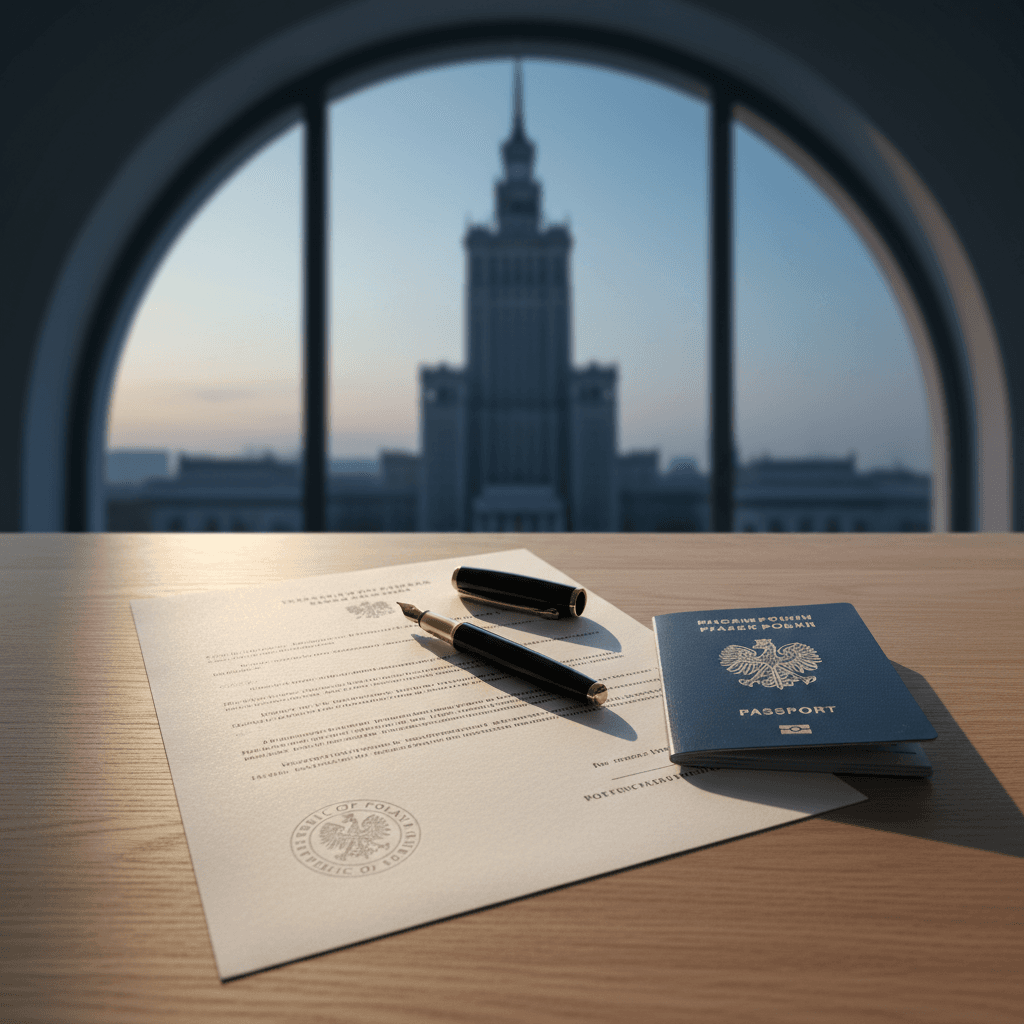
Poland officially transitioned its legal framework for Ukrainian refugees following the expiration of the 2022 Special Act. While the EU has extended temporary protection until March 4, 2027, the Polish government now manages these stays under the standard Act on Foreigners. This shift introduces stricter registration requirements and documentation deadlines for those holding PESEL-UKR status.
The policy changes primarily impact Ukrainian nationals seeking refuge and do not change the entry requirements for typical tourists, expats, or digital nomads. If you are traveling on a standard Schengen visa or a remote work permit, your status remains unaffected. However, for those providing support to refugees or managing teams with Ukrainian staff in Poland, these administrative shifts are significant.
If you or your team members are covered under temporary protection, keep these requirements in mind:
- Registration Deadline: New arrivals must apply for a PESEL-UKR in person at a local municipality within 30 days of arrival to maintain legal stay and work rights.
- Document Updates: Anyone who registered previously without a passport must present a valid travel document to authorities by August 31, 2026.
- Housing Shifts: Broad housing subsidies have been phased out. Collective housing is now largely reserved for vulnerable groups, such as seniors over 60 or 65, pregnant women, and those with disabilities.
- Work Access: Legal work and business rights remain open for PESEL-UKR holders without requiring additional permits until the current protection period ends in 2027.
Staying compliant with these visa updates ensures uninterrupted access to the Polish labor market and healthcare system. For most remote workers, the transition signals a move toward long-term immigration stability rather than emergency measures.
Read our full Poland guide for the complete picture.
Frequently asked questions
How long do new Ukrainian refugees have to register for PESEL-UKR in Poland?
Do PESEL-UKR holders still have the right to work in Poland?
What is the deadline for Ukrainian refugees in Poland to show a passport if they registered without one?
Who can still use collective housing in Poland under the updated refugee rules?
Do Poland's new refugee rules affect digital nomads or tourists?
Stay updated on Poland
Visa changes, travel alerts, and destination news — delivered when they actually matter.