Nicaragua storm alerts warn nomads of 20% rainfall shifts starting May 15

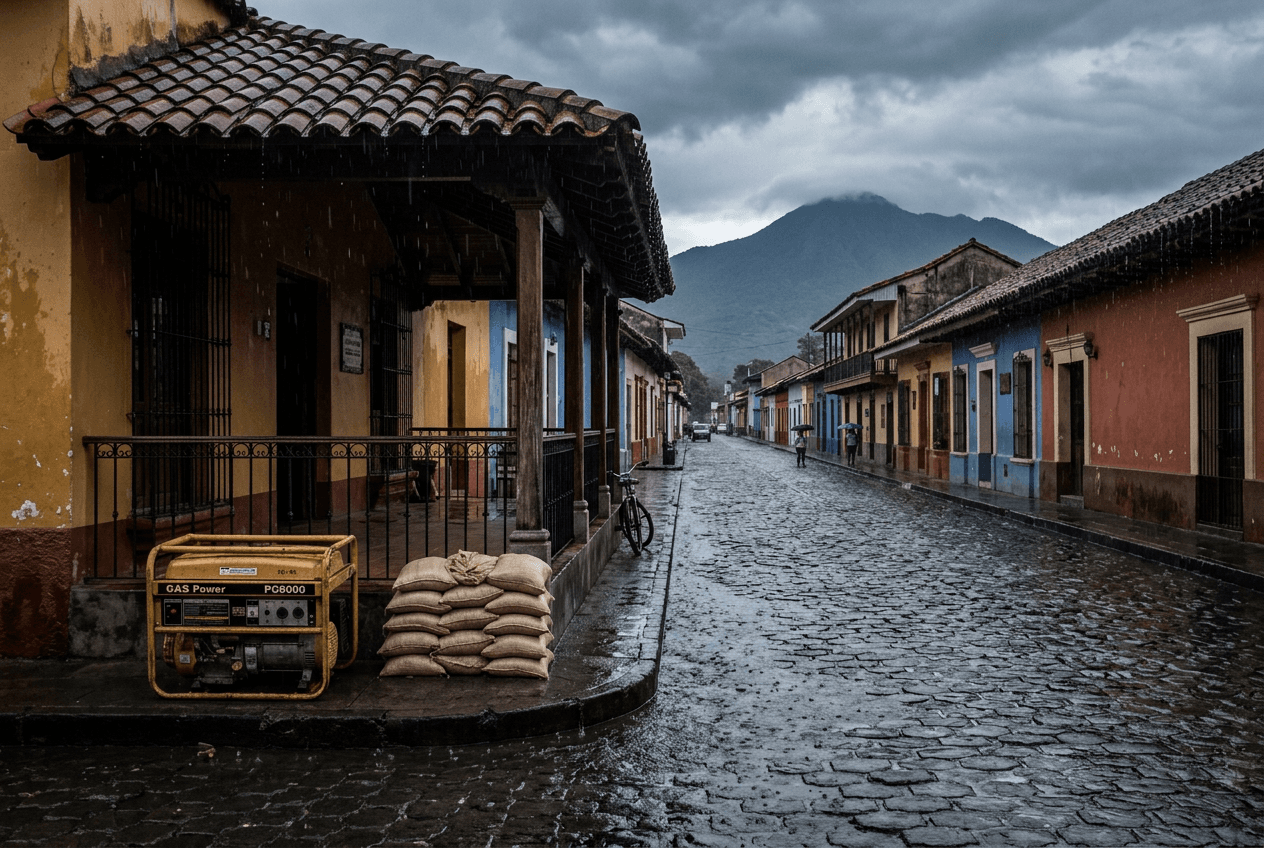
Seasonal storm alerts are back
Nicaragua’s rainy season runs from May through October or November and authorities are warning of the usual hazards: heavy rain, floods, landslides, road damage, power outages and travel delays. The U.S. Embassy in Managua issued a weather alert on May 7, while the National System for Disaster Prevention, Mitigation and Attention or SINAPRED, has activated its Plan Nacional Invierno 2026.
The country’s Pacific hurricane season starts May 15 and the Atlantic season starts June 1. Both run through Nov. 30. Forecasters expect above-normal activity this year, according to official alerts.
Where nomads and tourists feel it most
Rural and coastal areas tend to take the hit first, including San Juan del Sur and Granada, where roads and utilities are more exposed. For digital nomads, that can mean spotty internet, longer transfers and outages that interrupt remote work. Post-disaster looting and thin security coverage are also listed risks in affected areas.
SINAPRED says its winter plan brings together 40,000 brigadists and 1,900 response points across the country. INETER has warned of a possible 20% rainfall deficit in May through July, though officials say conditions can turn uneven later in the season.
What travelers should do now
U.S. citizens can enroll in STEP at step.state.gov and monitor embassy notices, SINAPRED updates and the National Hurricane Center. Travelers should also check airport status before moving between regions and keep an eye on accommodations with backup generators, especially in areas where outages are common. A weather event won’t trigger new visa fees or entry rules, but it can change plans fast.
Travel insurance should cover evacuation and disruption costs, since those bills are usually user-paid. For the latest country coverage, see our visa updates and Nicaragua guide.
Frequently asked questions
When does Nicaragua's rainy season start?
When does hurricane season start in Nicaragua?
Which places in Nicaragua are most affected by seasonal storms?
What problems should digital nomads expect during Nicaragua's storm season?
Do storms in Nicaragua change visa rules or entry fees?
What should travelers check before moving around Nicaragua during storm season?
Should travel insurance cover Nicaragua storm disruptions?
Stay updated on Nicaragua
Visa changes, travel alerts, and destination news — delivered when they actually matter.