Judge halts United States visa denials for researchers studying social media

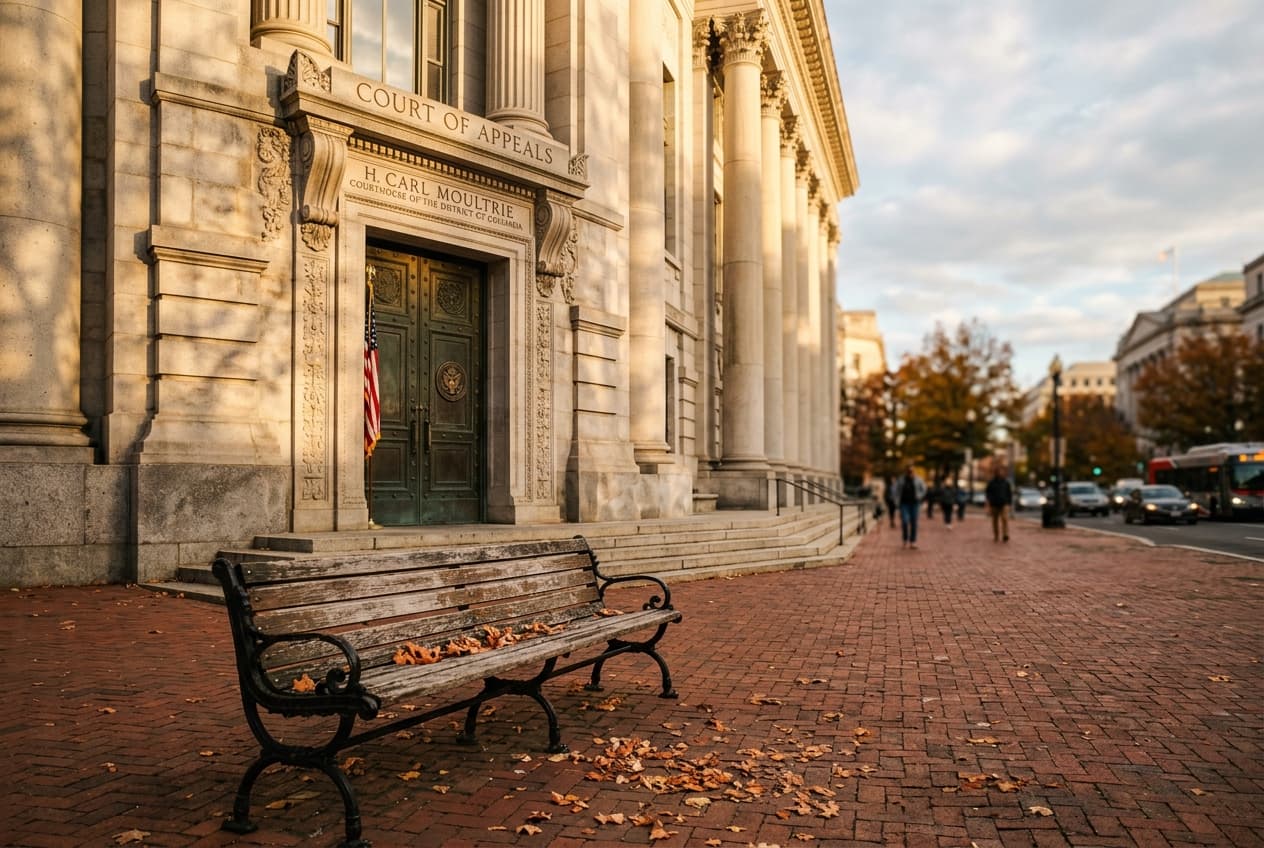
A federal judge has paused a State Department policy that let the government deny visas or seek removal of foreign researchers studying social media, disinformation and content moderation.
The block and what it undoes
U.S. District Court entered a preliminary injunction in Coalition for Independent Technology Research v. Rubio on July 14, halting enforcement of a State Department policy first announced May 28, 2025, Reuters reported. The policy had leaned on INA section 212(a)(3)(C), which permits inadmissibility findings where a foreign national's entry could carry "potentially serious adverse foreign policy consequences."
Before the ruling, a foreign academic working on hate speech, platform moderation or election disinformation could be flagged as complicit in "censorship of protected expression in the United States" and denied a visa or pushed toward removal on that basis. The injunction stops the department from applying that rationale to the plaintiffs and similarly situated researchers while the case moves forward. It isn't a final judgment and the underlying policy still sits on the books.
Who this actually catches
The ruling is narrow. It covers foreign nationals in the U.S. whose academic or professional work touches disinformation, hate speech, online harms, social media platforms or content moderation, typically people on F, J, H-1B or O-1 visas tied to universities, think tanks or research nonprofits.
It doesn't touch:
- Tourist entries under ESTA or B visas
- Standard visa processing steps, including the DS-160 and social media identifier collection at application
- The broader May 2025 censorship-related visa restriction policy aimed at foreign officials, which wasn't the subject of this suit
Digital nomads passing through on short stays see no direct change from this order. Anyone weighing a longer academic or research move should read the ruling alongside the wider U.S. immigration picture in the United States guide.
Who needs to act now
Researchers who had visa applications refused, delayed or flagged under the May 2025 policy should talk to counsel about re-filing or requesting reconsideration while the injunction holds, since the government can't currently cite that rationale against them. Those with pending renewals in fields like content moderation or platform integrity research have a window to move applications through before any appeal narrows the injunction.
DHS moved July 16 to amend visa regulations for foreign students and journalists, Reuters reported, so the researcher carve-out sits inside a wider policy churn that could shift again on short notice.
Frequently asked questions
What did the federal judge block for foreign researchers in the United States?
Which researchers are covered by the injunction?
Does this ruling affect ESTA or B visa travelers?
Are standard visa application steps still in place after the ruling?
Should researchers whose visas were delayed or refused under the May 2025 policy do anything now?
Does this court order cancel the May 2025 policy completely?
Stay updated on United States
Visa changes, travel alerts, and destination news — delivered when they actually matter.