United States expands birth tourism screening to all nonimmigrant visas Aug. 6

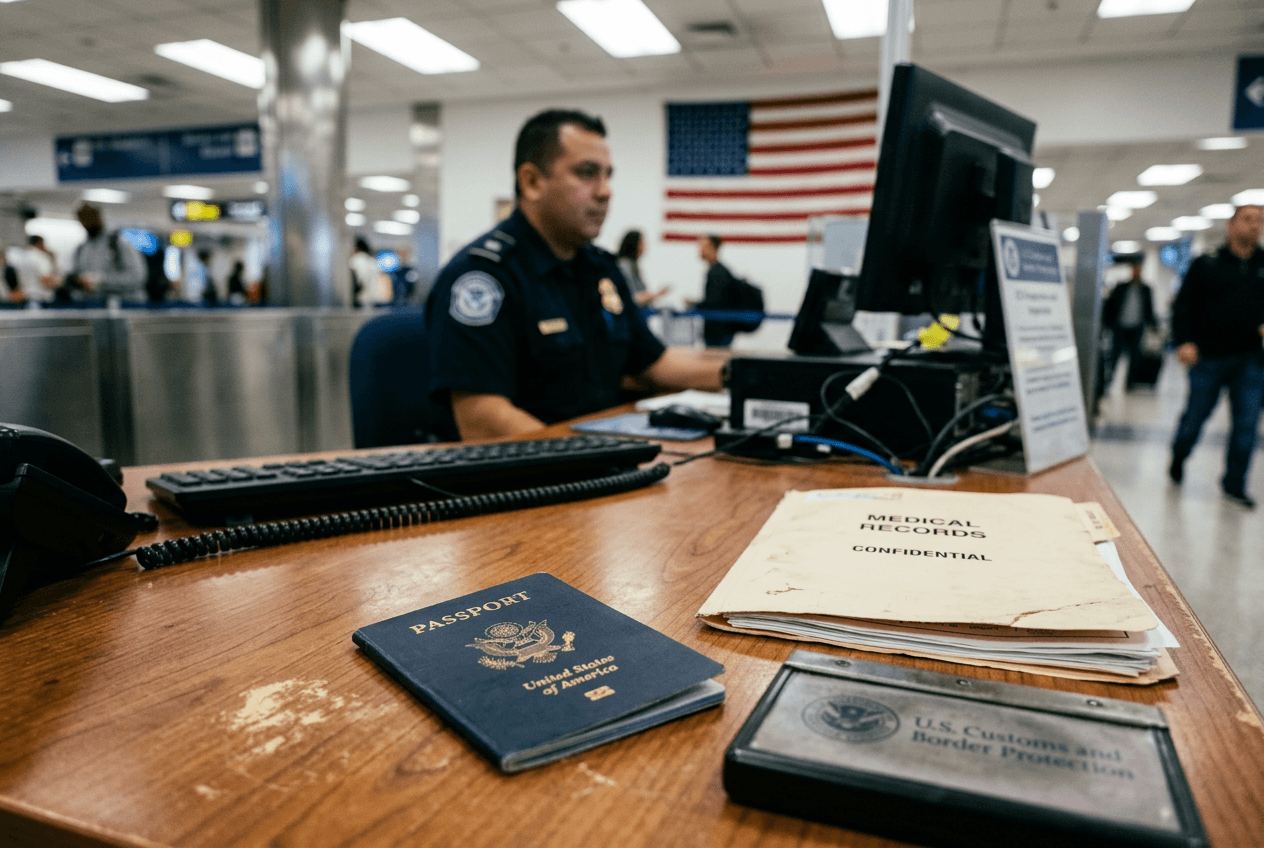
The United States expanded an existing visitor-visa policy Aug. 6, directing agencies to screen all nonimmigrant visa categories, not just B-1/B-2 applications, for travel primarily intended for childbirth.
Aug. 6 order widens enforcement
Executive Order 14419, “Ending Birth Tourism,” defines birth tourism as entering the United States on a nonimmigrant visa to give birth or helping someone else do so. Previous consular guidance allowed officers to deny visitor visas when childbirth was the primary purpose, but the order directs the State Department and Department of Homeland Security to apply tighter screening across temporary visa categories.
The policy took effect when President Donald Trump signed it Aug. 6 and was published in the Federal Register Aug. 11. Agencies are still developing detailed rules, but consulates and border officers can apply enhanced questioning now.
Valid visas and ESTA approvals aren’t exempt
The change extends beyond pending B-1/B-2 applications. Officers may revoke valid visas, refuse admission at airports and other ports of entry or scrutinize travelers with approved Electronic System for Travel Authorization applications when they suspect childbirth is the trip’s primary purpose.
Travelers found to have entered or attempted to enter for birth tourism could face long-term or permanent entry bars. The order also directs agencies to act against brokers, agencies and other organizations involved in arranging such travel. A State Department Birth Tourism Prevention Task Force began coordinating screening, revocations and enforcement Aug. 12.
Pregnant travelers face immediate scrutiny
There’s no grace period. Current visa holders, ESTA travelers and applicants planning travel to the United States now must be prepared to answer questions about pregnancy, due dates, medical plans and the primary purpose of the trip during a visa interview or at the border.
That doesn’t mean pregnancy alone automatically cancels a visa or bars entry. The decision turns on whether officers believe childbirth is the main reason for travel, though a valid visa or ESTA approval never guarantees admission.
The order doesn’t change citizenship law. Children born in the United States generally still acquire citizenship under existing law; the policy targets admission, visas and organizations arranging birth tourism.
Frequently asked questions
What changed in U.S. visa screening for birth tourism?
Can a valid U.S. visa still be refused if officers suspect birth tourism?
Does an approved ESTA guarantee entry if I am pregnant?
What questions might pregnant travelers get at a U.S. visa interview or border?
Does pregnancy automatically cancel a U.S. visa or bar entry?
Has the new policy changed U.S. birthright citizenship?
Stay updated on United States
Visa changes, travel alerts, and destination news — delivered when they actually matter.