Italy returns to passport stamps when EES lines exceed 45 minutes

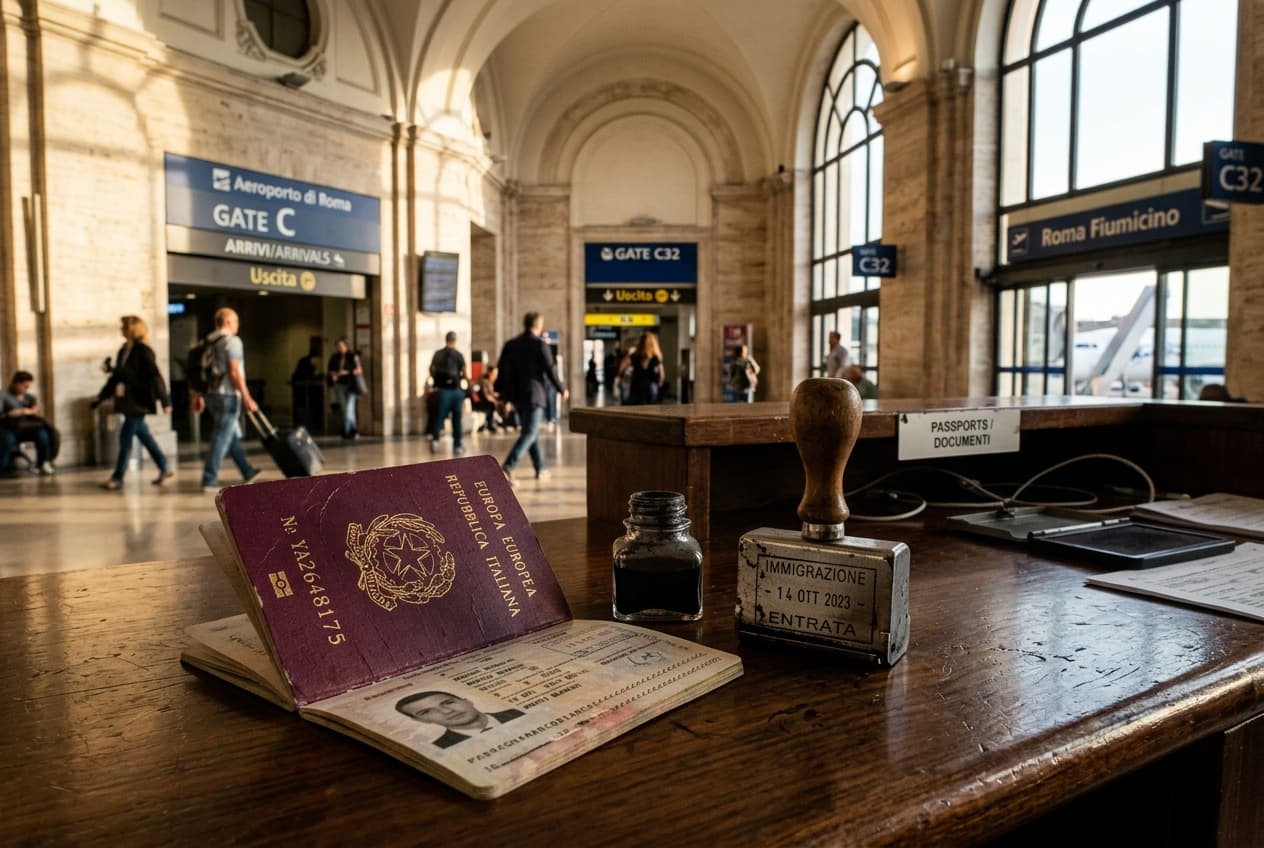
| Standard EES process | 0 min |
|---|---|
| Manual stamping threshold | 45 min |
Non-EU travelers landing in Italy this summer may find border officers reaching for an ink stamp instead of a fingerprint scanner when queues get long.
The 45-minute rule at Italian borders
Italy's Interior Ministry has authorized border police to switch from the EU Entry/Exit System back to manual passport stamps whenever waits exceed roughly 45 minutes, a fallback that stays in force through Sept. 30, 2026, according to VisaHQ and other immigration outlets.
EES itself is live. The biometric system started at Rome Fiumicino and Milan Malpensa on Oct. 12, 2025 and reached every Italian airport, seaport and land crossing by May 21, 2026. There is no blanket suspension and no nationality-based exemption. Under EU Regulation 2025/1534, individual borders can only pause parts of the biometric process in bursts of up to six hours at a time.
What actually happens at the kiosk
First-time EES registration for non-EU, non-Schengen arrivals means a passport scan, a facial image and four fingerprints, stored for three years and reused on later trips. Brussels quotes an average of 70 seconds per traveler. Italian officers say it can run up to five minutes when the fingerprint readers stall, which is how Fiumicino and Malpensa ended up with two- and three-hour lines this spring. A manual stamp takes about 10 seconds, which is the whole point of the fallback.
EU and Schengen passport holders skip EES entirely. Non-EU residents with a valid Italian permesso di soggiorno generally shouldn't be enrolled either, though officers at busy terminals sometimes wave them through the manned booth with a stamp anyway. Anyone weighing a longer stay can check the mechanics under Italy's residency framework.
What to budget before you fly
Plan for the biometric lane, not the fallback. Build in an extra 60 to 90 minutes on arrival at Fiumicino, Malpensa or Venice if it's a first EES entry and carry a printed return ticket and accommodation address in case the kiosk kicks the file to a manned desk.
Frequent visitors should track Schengen days closely. EES now logs every entry and exit digitally against the 90-days-in-180 cap, so the old trick of a lightly stamped passport no longer buys any margin.
Frequently asked questions
When can Italian border officials switch from EES to manual passport stamps?
Who has to use Italy's EES system at the border?
What happens during the first EES registration in Italy?
How long does EES processing take at Italian airports?
Do non-EU residents with an Italian permesso di soggiorno have to enroll in EES?
How much extra time should travelers plan for arrival in Italy?
Stay updated on Italy
Visa changes, travel alerts, and destination news — delivered when they actually matter.