Indonesia bans unpaid influencer content on tourist and e-VOA visas

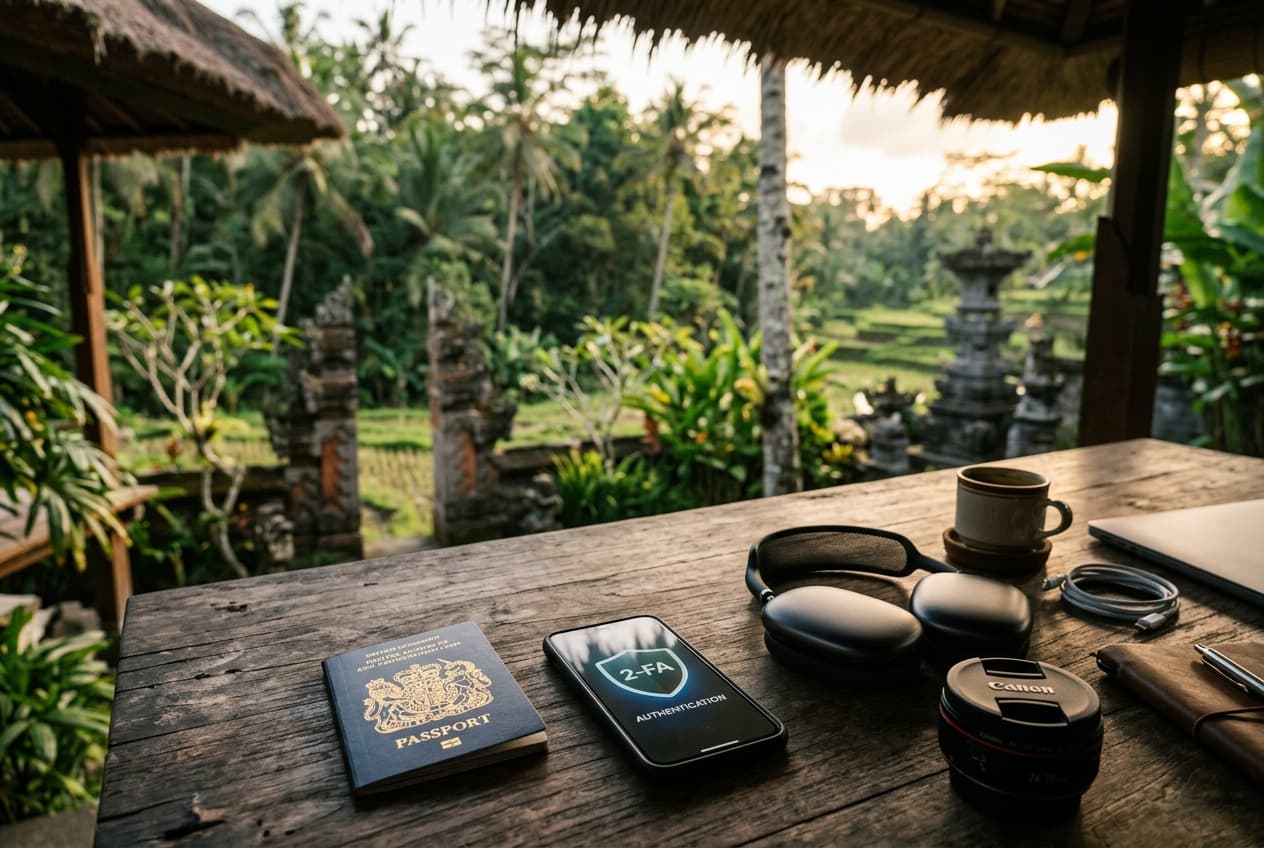
Indonesia tightens e-Visa logins and creator rules
Indonesia's Immigration Directorate General added email-based two-factor authentication to the official e-Visa system in May, requiring a one-time password sent to the registered email address on every login. The agency said the change responds to fraud and account-misuse cases tied to third-party agents handling traveler credentials.
Alongside the security update, immigration issued sharper guidance treating most influencer and digital-nomad activity on tourist visas as illegal work. Authorities now state that unpaid promotional posts, barter stays and sponsored content carry economic value and require a proper work-category visa, regardless of payment.
Who gets caught by the stricter reading
Tourist visa, e-VOA and C1/B1 visit visa holders face the most exposure. Immigration's position is that these categories cover leisure, social activity and limited business meetings, not content production tied to Indonesian businesses.
Bali's Bali Becik Immigration Patrol Task Force, active since April, has detained dozens of foreigners in its first weeks. Officers monitor Instagram, TikTok and YouTube for promotional posts geotagged in Canggu and Ubud and check whether tourist rentals are being used as informal offices.
Examples flagged as work include:
- Tagged or sponsored posts for local hotels, beach clubs, spas and restaurants
- Free accommodation exchanged for content
- Photo and video shoots tied to commercial use by Indonesian brands
Penalties run to detention, deportation and re-entry bans.
The legal route and account hygiene
Creators who want to work legally can apply for the C5A social media content creator visa, which permits an initial 60-day stay with two 60-day extensions, up to 180 days total. It covers brand collaborations and monetized content inside Indonesia. Other paid work still requires the standard work visa and RPTKA permit framework.
For the e-Visa system itself, immigration recommends:
- Applying only through the official portal, not third-party agents requesting login credentials
- Using passwords of 8 to 12 characters mixing cases, numbers and symbols
- Keeping access to the registered email, since the OTP lands there on every login
KITAS and ITAS holders extending stay permits also use the e-Visa system and fall under the same 2FA requirement.
Read our full Indonesia guide for the complete picture and follow our visa updates for ongoing enforcement changes.
Frequently asked questions
Do unpaid influencer posts count as work in Indonesia?
Which visas are most exposed to Indonesia's influencer work rules?
What penalties can foreigners face for illegal promotional work in Indonesia?
What visa should creators use to work legally in Indonesia?
How long does the C5A social media content creator visa allow you to stay in Indonesia?
How has Indonesia changed its e-Visa login system?
Should I give my e-Visa login details to a third-party agent in Indonesia?
Stay updated on Indonesia
Visa changes, travel alerts, and destination news — delivered when they actually matter.