How Thailand Protects Long-Term Renters and DTV Holders

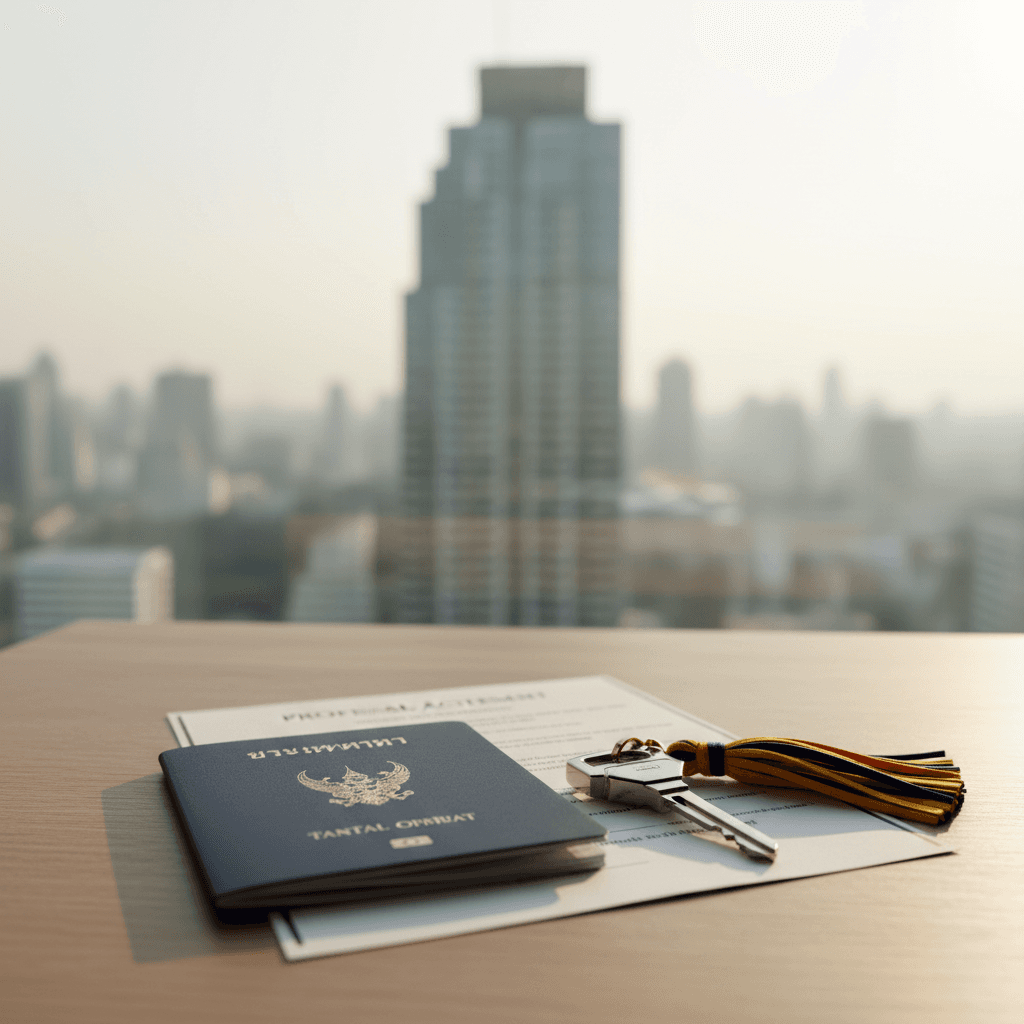
Thailand has standardized its rental market through the Office of the Consumer Protection Board (OCPB), offering significant safeguards for remote workers staying on the Destination Thailand Visa (DTV). These regulations cap security deposits and advance rent at a total of two months, preventing landlords from demanding excessive upfront payments.
The rules also prohibit landlords from marking up utility costs. Tenants must be charged the official government rates for electricity and water, a move that eliminates the "tourist tax" often hidden in monthly bills. These protections apply to any landlord managing three or more units, covering most condo buildings and apartment complexes favored by expats.
Who is protected
These regulations primarily benefit long-term renters, including DTV holders who may stay in the country for up to five years. While short-term tourists in hotels aren't covered, nomads signing monthly or yearly leases now have a legal framework to challenge unfair billing.
The law mandates that all contracts be provided in the Thai language with clear terms regarding deposit refunds. Landlords are required to return deposits immediately or within 7 to 14 days after a move-out inspection, provided there is no damage to the property.
What to check before signing
If you are looking for nomad news regarding your next move, keep these practical steps in mind when reviewing a lease:
- Ensure the security deposit and advance rent do not exceed three months’ total.
- Verify that the contract includes a signed move-in inspection report with photos.
- Confirm the landlord is filing your TM30 form, as this is required for DTV re-entries and extensions.
- Check that utility rates match the official government tariffs.
Tenants now have the right to terminate a fixed-term lease after completing 50% of the term, provided they give 30 days’ notice. If a landlord violates these terms, they face fines up to THB 200,000 or imprisonment, giving renters significant leverage in disputes.
Read our full Thailand guide for the complete picture.
Frequently asked questions
What protections do DTV holders get when renting in Thailand?
How much can a landlord charge for deposit and advance rent in Thailand?
Can landlords charge extra for electricity and water in Thailand?
How soon must a landlord return a rental deposit in Thailand?
Do these rental protections apply to all landlords in Thailand?
Can a tenant end a fixed-term lease early in Thailand?
Is a TM30 form required for DTV renters in Thailand?
Stay updated on Thailand
Visa changes, travel alerts, and destination news — delivered when they actually matter.