EU clears digital euro rules for 2029 launch to Greek merchants

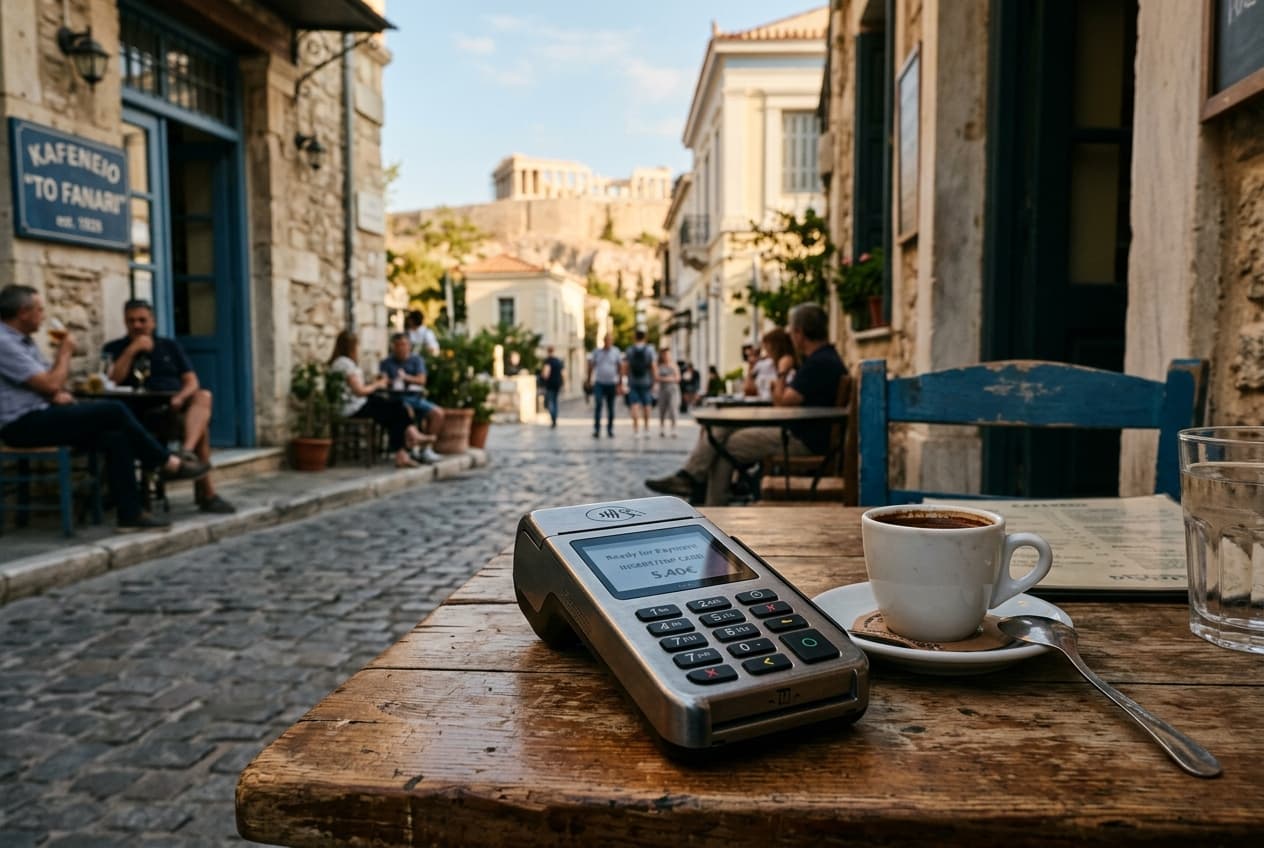
How the digital euro would work
The European Parliament's economic committee backed draft rules for the digital euro after roughly three years of negotiations with banks and stakeholders, clearing the way for trilogue talks between Parliament, the Council and the European Commission. The European Central Bank plans to be ready for a potential first issuance in 2029, assuming EU co-legislators adopt the regulation during 2026.
The currency is designed as a central bank digital currency, a digital form of cash issued by the ECB and accessible to everyone in the euro area. Users would hold balances in wallets or accounts run by banks and licensed payment service providers, paying online or in shops by phone or card. Basic payments for individuals would be free, holdings would earn no interest and businesses couldn't hold digital euros for more than 24 hours. The European Commission would set a per-user holding cap on ECB advice, reviewed at least every two years.
The ECB's preparation phase ran from November 2023 to October 2025. On Oct. 30, 2025, the Governing Council moved the project into a next phase focused on technical readiness, with a 12-month pilot involving payment service providers slated to start mid-2027.
Who it touches in Greece
Tourists arriving from other eurozone countries could pay Greek merchants directly from a central-bank-backed wallet, sidestepping Visa and Mastercard rails for in-country spending. Travelers from outside the euro area would still rely on cards, cash or bank transfers, though intermediaries may eventually offer digital euro balances for Eurozone use.
Euro-area expats in Greece could receive salaries and pay rent through a digital euro wallet alongside their existing bank account. Non-EU residents with Greek bank accounts would get access through their bank once it joins the scheme, subject to the same KYC and anti-money-laundering checks that apply to opening any account today.
What to watch next
No action is required from residents or visitors. The legislation isn't adopted, the pilot hasn't begun and no wallets are open for sign-up. Track ECB progress updates through 2026 for the final regulation text, holding cap and the list of participating Greek banks, plus our running visa updates on payment and residency changes.
Read our full Greece guide for the complete picture.
Frequently asked questions
When could the digital euro launch?
Will people in Greece be able to use the digital euro for everyday payments?
Will digital euro payments be free for individuals?
Can businesses hold digital euros in their accounts?
Do tourists in Greece need to do anything right now to use the digital euro?
How would non-EU residents in Greece get access to the digital euro?
Stay updated on Greece
Visa changes, travel alerts, and destination news — delivered when they actually matter.