Brazil digital nomad visa requires 1,500 dollars monthly as rents rise in São Paulo

Brazil’s nomad visa still sets the rules
Brazil’s digital nomad visa lets remote workers stay in the country for up to 1 year while working for a foreign employer. The official guidance says applicants must prove remote work, show $1,500 in monthly income or $18,000 in savings, carry health insurance for the full stay and register with the Federal Police within 90 days of arrival.
The government page says the visa isn't open to people working for a Brazilian employer. It also lists application steps as an online form, supporting documents and payment of the visa fee.
São Paulo rents keep pressure on remote workers
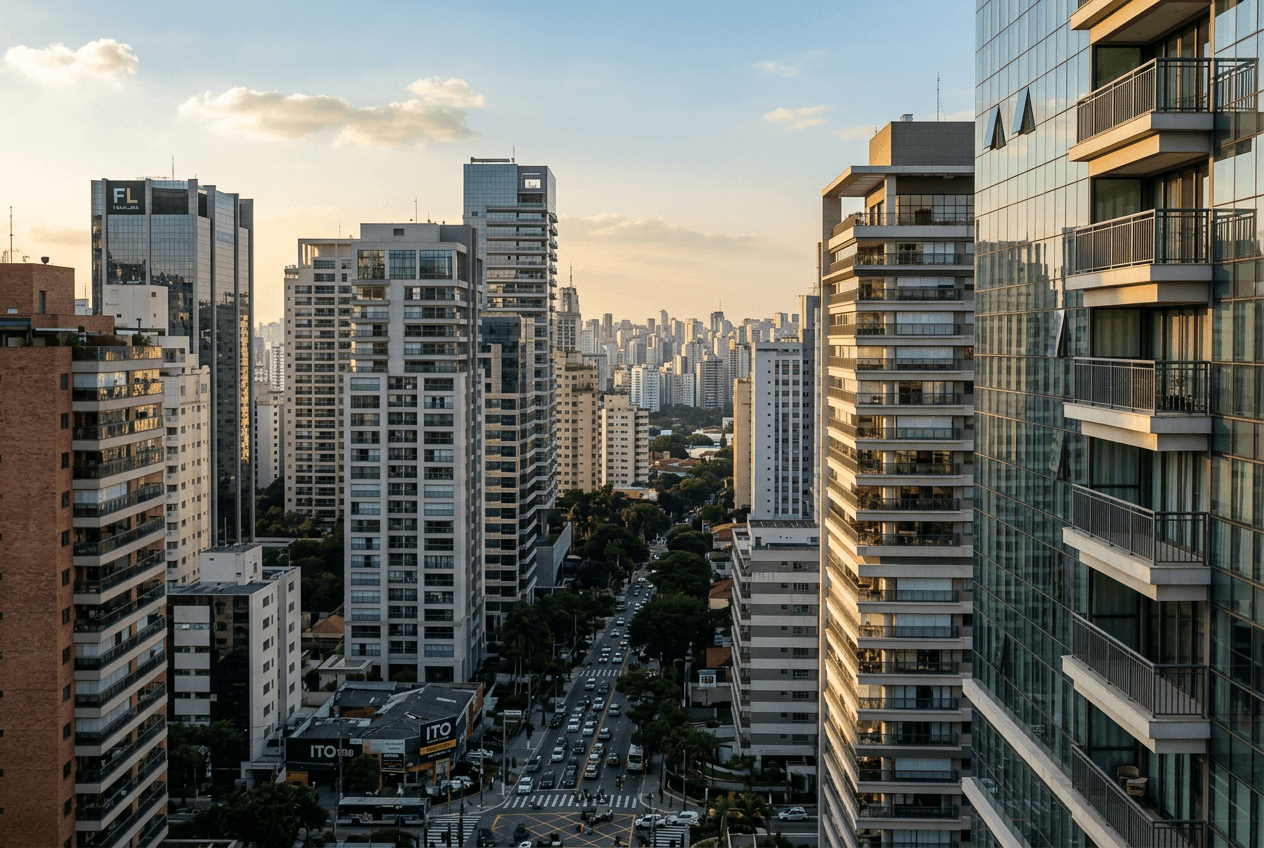
Higher housing costs in São Paulo are the bigger issue for nomads looking for central or furnished places. The city’s studio rents are now hitting R$2,350 in the current market, putting more weight on short-term budgets and longer stays in premium districts.
That matters most for expats and digital nomads who need well-located housing, but tourists feel it too through pricier Airbnb and other short-stay options.
What applicants need before they book
Brazil’s official fee schedule lists EUR 105 for most nationalities, EUR 304.50 for U.S. passport holders and EUR 225.75 for U.K. passport holders. Applicants should also keep proof of remote work, income or savings, insurance and passport documents ready before filing.
After arrival, nomad visa holders still have to log their stay with the Federal Police within 90 days. Read our full Brazil guide for the complete picture and check visa updates for more country rules.
Frequently asked questions
How long can I stay in Brazil on a digital nomad visa?
How much income do I need for Brazil's digital nomad visa?
Can I work for a Brazilian employer on Brazil's digital nomad visa?
What are the rental prices in São Paulo for digital nomads?
What do I need to do after arriving in Brazil on a nomad visa?
How much does Brazil's digital nomad visa cost?
Stay updated on Brazil
Visa changes, travel alerts, and destination news — delivered when they actually matter.