Bangladesh drafts Visa Policy 2026 with 34 visa categories

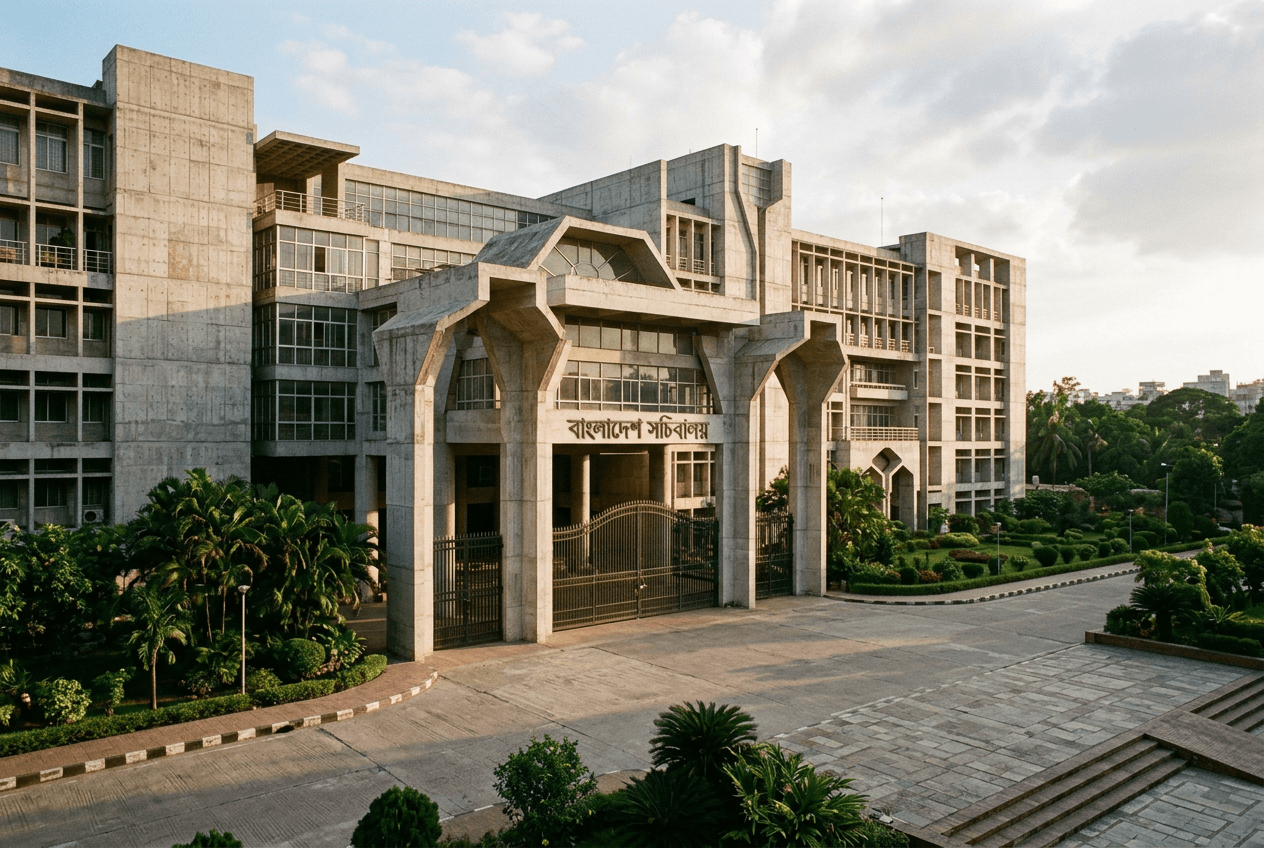
Bangladesh is preparing a single Visa Policy 2026 to replace the visa policy in place since 2006. The draft sorts foreign entry into 34 defined categories. The cabinet reviewed it on July 2 and sent it to a cabinet committee for changes, so none of it is in force yet.
A draft, not yet law
A cabinet committee led by the finance minister, formed by gazette on July 8, is reviewing and finalizing the draft before it returns to the cabinet. Until it is approved, the current rules apply and existing visas are unaffected. The draft would consolidate the rules into one document covering tourists, business visitors, investors, expat workers, students, researchers, medical travelers, transit passengers and dependents.
Under the draft, the Ministry of Home Affairs would set policy, the Department of Immigration and Passports would handle visas issued inside Bangladesh and Bangladesh missions abroad would remain the issuing authority overseas.
What the draft proposes for travelers and remote workers
Tourists would apply under a T category, which covers recreation, family visits, conferences and study tours. Business travelers scoping investment, attending trade fairs or negotiating contracts would fall under B. Investors would get a dedicated PI category and expat workers would be split across E1 for donor-funded project staff, E2 for employment in Bangladesh and E3 for technical and installation experts.
The draft has no digital nomad category. Remote workers earning from foreign clients would have to fit under T or B, and B suits trips that genuinely involve meetings rather than sit-and-work time. Visas would be issued case by case after document review, and officers could escalate files to the ministry.
Visa on arrival stays at 30 days, single entry, at designated ports. The draft keeps it for invited investors and development partners, travelers from countries with no Bangladesh mission and nationals of a defined list of countries. It would also require a passport valid at least six months and machine-readable visas, with an e-visa system flagged for later rollout.
What to watch
Current visa holders have nothing to file. Once the policy is final, new applicants and category switchers will need to check where they fall: expats moving between employers may sit under a different E code, and the draft's NVR status covers Bangladeshi-origin foreign nationals (outside SAARC) and investors putting at least $5 million into heavy industry or long-term business. The Bangladesh country guide covers the rules in force today.
Correction, Oct. 5, 2026: An earlier version of this article gave the status of Visa Policy 2026 as in force. It was a draft under review by a cabinet committee when this article was published.
Frequently asked questions
Does Bangladesh have a digital nomad visa?
What are the main visa categories under Bangladesh Visa Policy 2026?
How long is visa on arrival in Bangladesh?
Who can get visa on arrival in Bangladesh?
Do current visa holders need to reapply under Bangladesh's new visa policy?
What passport requirements apply for Bangladesh visas?
Who qualifies for NVR status in Bangladesh?
Stay updated on Bangladesh
Visa changes, travel alerts, and destination news — delivered when they actually matter.