Austria Updates Border Security Measures

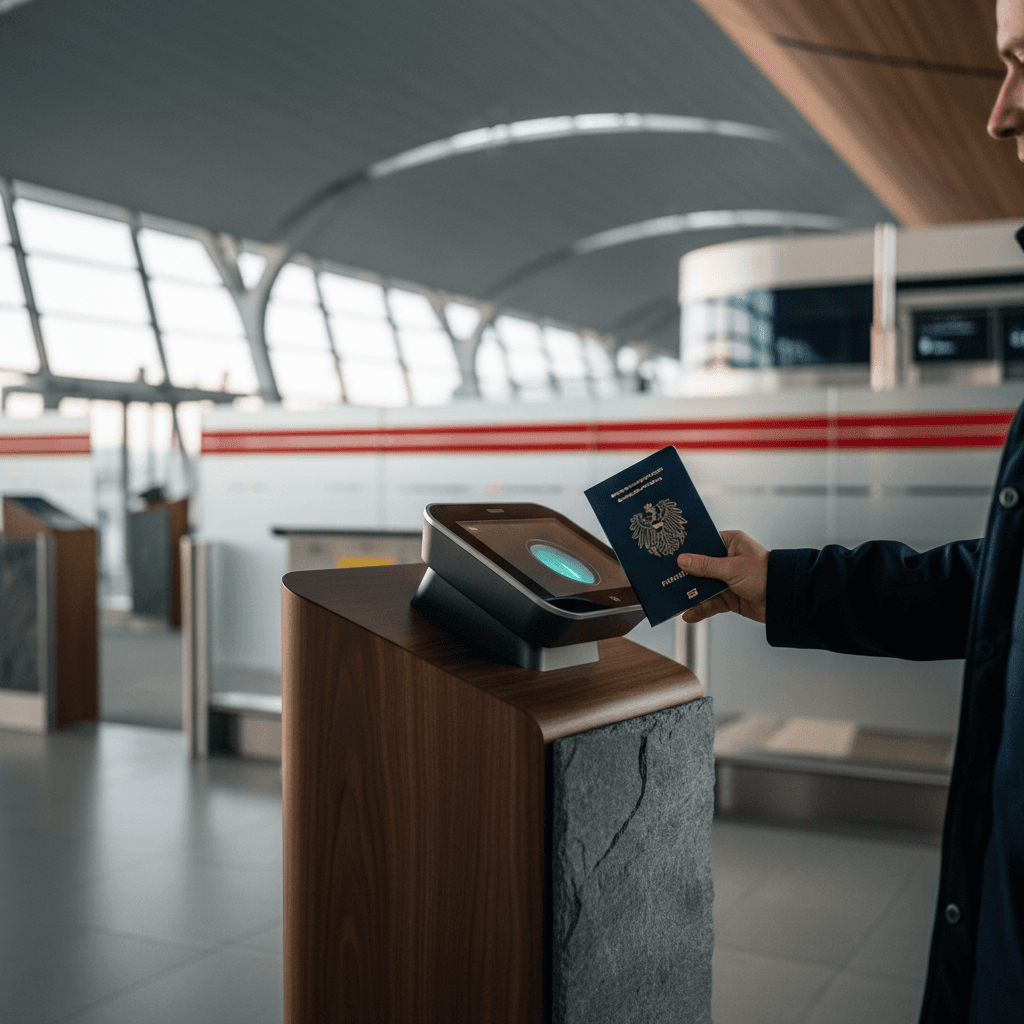
Austria is finalizing the implementation of the EU Entry/Exit System (EES) at all external borders. Starting April 10, 2026, the country moves into full mandatory operation, replacing manual passport stamps with a digital registry. Travelers entering via airports like Vienna-Schwechat or via international rail and land borders must provide four fingerprints and a facial image upon arrival.
The system tracks the 90/180-day rule electronically, storing biometric data for three years. This digital file includes your name, passport details, and exact entry and exit dates. While the rollout began progressively last year, the final transition this week may cause initial bottlenecks and longer queues at Austrian checkpoints through April 14.
Who is affected by the biometric registry
These requirements apply to all non-EU/EEA nationals on short stays. This includes tourists, business travelers, and digital nomads using the 90-day visa-free allowance or a Schengen C-visa. Children under 12 are exempt from fingerprinting, though they still require facial scans.
If you hold an Austrian long-stay D-visa or a residence permit, such as the Red-White-Red Card, you are exempt from this specific biometric registration. However, any family members traveling with you on standard visitor visas will still need to provide their data. Refusing to provide biometrics will result in a denial of entry.
Practical steps for your next trip
There are no fees associated with this registration, and the process is designed to be faster on subsequent visits once your file is created. To save time, you can use the "Travel to Europe" app to pre-enroll your passport data and photo up to 72 hours before arrival. You will still need to provide fingerprints at a self-service kiosk or border booth on-site.
- Ensure your airline has your accurate Advanced Passenger Information (API) to avoid carrier fines.
- Keep digital backups of boarding passes as secondary proof of your stay duration for tax or residency purposes.
- Check for nomad news regarding the upcoming ETIAS authorization, which remains a separate requirement.
Read our full Austria guide for the complete picture.
Frequently asked questions
Who has to provide biometrics when entering Austria under the EU Entry/Exit System?
Are Austrian long-stay visa holders exempt from the new border biometric checks?
What happens if I refuse to give fingerprints and a facial image at the Austrian border?
Can I pre-enroll before arriving in Austria?
How long does Austria keep EES biometric data?
Does the EU Entry/Exit System replace passport stamps in Austria?
Will there be delays at Austrian borders when EES starts?
Stay updated on Austria
Visa changes, travel alerts, and destination news — delivered when they actually matter.