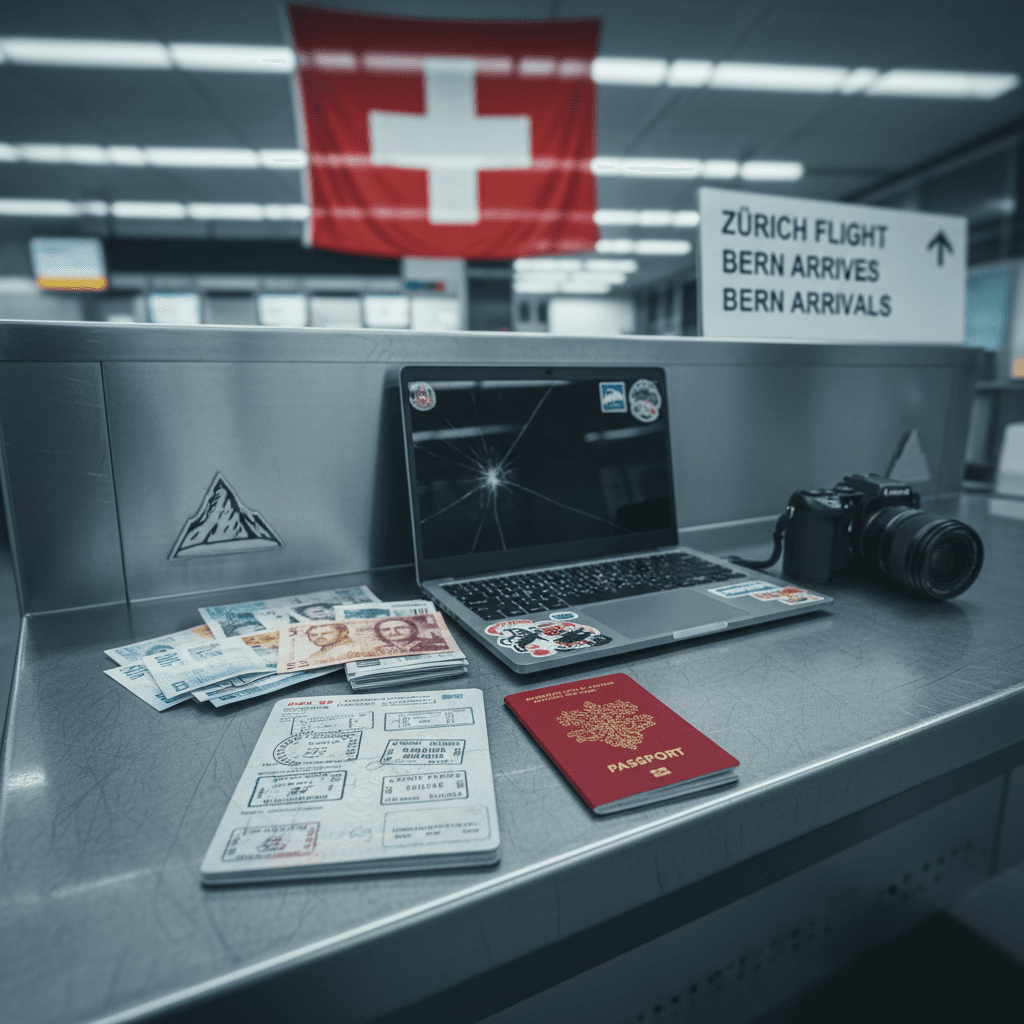
Switzerland

Policy Stability
Stamped Nomad ExclusiveHow likely visa and immigration policies are to remain unchanged
Quick Facts
N/A
3 months
No
$4,500/mo
152 Mbps
9/10
High
High
High
CET, CEST
Entry Methods Available
Best For
The Schengen Framework
Switzerland is right in the heart of the Schengen Area, which means it follows the same standardized entry rules as most of Europe. For nomads, this usually boils down to two main paths: the Type C visa for short stays and the Type D visa for anything longer. While the Swiss are known for their precision, their immigration system is actually quite straightforward once you identify which category you fall into.
The Type C Schengen Visa covers most travelers. It allows you to stay for up to 90 days within any 180-day period. This is the go-to for tourists, people visiting family, or those attending short business meetings. If you plan to stick around longer for work or study, you will need to look into the Type D National Visa. This one requires approval from the specific Swiss canton where you intend to live, so it involves a bit more paperwork and patience.
Visa-Free Travel and ETIAS
Many nomads won't need to visit an embassy at all. If you hold a passport from the United States, Canada, Australia, Japan, the UK, or any EU/EFTA country, you can enter Switzerland visa-free for up to 90 days. It is a seamless process; travelers just show up, clear border control and start exploring the Alps.
Keep in mind that the rules for visa-exempt travelers are changing slightly. The ETIAS system isn't operating yet and has no official start date. This isn't a visa, but a pre-travel authorization. It will cost €20, remain valid for 3 years and require an online application before boarding.
Tourist and Business Stays
If your nationality requires a visa for Switzerland, the application fee for a Type C visa is currently €90 for adults and €45 for children aged 6 to 12. Kids under 6 usually get in for free. You will need to show proof of enough funds to cover your stay and a valid travel insurance policy. While Switzerland is expensive, they generally look for evidence that you can support yourself without seeking local employment.
For those visiting on business, there is no separate "business visa" category. You simply apply for a Type C visa and select "business" as your reason for travel. You will likely need an invitation letter from a Swiss company or an itinerary of the meetings you are attending. The fees and the 90-day limit remain exactly the same as the tourist version.
Online Applications and Extensions
Switzerland has embraced the digital age, allowing many nationalities to start their Type C applications online. This streamlines the process, though you may still need to visit a Swiss representation in person to provide biometric data like fingerprints. There is no visa on arrival in Switzerland, so if you aren't from a visa-exempt country, you must have your paperwork sorted before you land.
Extending a visa once you are on the ground is notoriously difficult. The Swiss authorities generally only grant extensions for "exceptional reasons," such as a medical emergency or a natural disaster that prevents travel. If you find yourself in this situation, you must apply at the local cantonal migration office before your current visa expires. The fee for an extension is usually around €80 for adults.
What to Expect in 2025 and 2026
The Swiss government is keeping a steady hand on its immigration policies for the next couple of years. The labor quotas for workers coming from outside the EU remain capped at 8,500 for 2026, which mostly affects those seeking long-term Type D work permits. Starting December 17, 2025, Switzerland will also align with tougher EU rules that allow for the quick suspension of visa-free privileges if there are sudden security or migration risks, though this is a preventative measure rather than a current restriction.
- Type C Visa Fee: €90
- Type D Visa Duration: Over 90 days
- ETIAS Launch: No official start date yet
- Maximum Short Stay: 90 days in a 180-day window
Source 1 | Source 2
The Reality Check
Let's get the big question out of the way first. Switzerland does not offer a specific digital nomad visa. While many neighboring European countries are rolling out red carpets for remote workers, the Swiss government remains focused on traditional employment and residency models. The State Secretariat for Migration (SEM) hasn't signaled any plans to change this soon.
This doesn't mean you can't work from a chalet in Zermatt or a lakeside cafe in Geneva. It just means you have to play by the existing rules, which are quite rigid. You'll likely be entering as a tourist or, if you have the capital and the patience, applying for a residency permit that wasn't exactly designed with "laptop lifestyle" in mind.
Short-Term Stays (The 90-Day Sprint)
Most nomads treat Switzerland as a short-term destination. If you hold a passport from a country like the US, Canada, or the UK, or if you're an EU citizen, you can enter the Schengen Area for up to 90 days within any 180-day period.
Technically, these 90 days are for tourism or "business meetings." While the authorities generally won't bother someone answering emails in a coworking space, you aren't allowed to take up local employment or provide services to Swiss clients on a tourist entry. If you're working for a company back home, you're in a bit of a gray area that most travelers navigate quietly.
- Duration: Up to 90 days in a 180-day window.
- Requirements: A valid passport, proof of sufficient funds for your stay, and travel insurance.
- Limitations: No access to the Swiss labor market and no local residency rights.
Long-Term Options for Non-EU Citizens
If you want to stay longer than three months and you aren't from an EU/EFTA country, things get complicated. Switzerland operates on a quota system for non-EU workers. To get a B Permit (residence permit), you usually need a Swiss employer to prove they couldn't find a local to do your job.
For the self-employed nomad, you can apply for a permit by proving your business will provide a "distinct economic interest" to the specific Swiss Canton where you want to live. This is a high bar to clear. You'll need a solid business plan, a significant amount of startup capital, and the ability to prove you won't be a burden on the state.
The EU/EFTA Advantage
If you carry a passport from an EU or EFTA country, you have a much easier path. You can stay for 90 days without doing anything at all. If you want to stay longer to work as a freelancer, you simply need to register with the local commune and prove you're self-employed with enough income to support yourself. You'll be issued a five-year residence permit that is relatively easy to maintain as long as your business stays afloat.
The Tax Trap
Switzerland is famous for many things, but being a tax haven for the average worker isn't one of them. If you stay in the country for more than 30 days while working, or 90 days without working, you might accidentally become a Swiss tax resident.
Once you hit that threshold, the Swiss government may want a cut of your worldwide earnings. Every canton has its own tax rates, so living in Zug will look very different on your tax return than living in Zurich. It is a good idea to keep your stays under the 90-day limit if you want to avoid a massive headache with the Swiss tax authorities.
Permit Comparison at a Glance
Schengen Short-Stay
- Max Stay: 90 days.
- Best For: Nomads passing through or testing the waters.
- Work Status: No local Swiss employment allowed.
Self-Employment Permit (B Permit)
- Max Stay: 1 year initial, usually renewable.
- Best For: Established business owners with high revenue.
- Requirement: Must prove "economic benefit" to the local Canton.
Lump-Sum Taxation Permit
- Max Stay: Indefinite (with annual renewal).
- Best For: High-net-worth individuals who don't need to work locally.
- Requirement: Paying a pre-negotiated annual tax based on living expenses.
Source 1 | Source 2
The 90-Day Rule and Visa-Free Access
Switzerland is a member of the Schengen Area, which makes things incredibly simple for many travelers but adds a layer of complexity for others. If you hold a passport from the USA, Canada, Australia, New Zealand, or the UK, you can generally breeze through the gates without a pre-arranged visa. You are allowed to stay for up to 90 days within any 180-day period for tourism or business scouting.
The math on this can be tricky. It is a rolling window, meaning you count back 180 days from any given day you are in the country to see if you have exceeded your 90-day limit. If you plan on hopping between Switzerland, France, and Italy, remember that the clock does not reset when you cross those borders; it is one collective bucket of time for the entire region.
Upcoming Digital Requirements
The days of just showing up with a passport are changing slightly. Visa-exempt travelers will need to apply for an ETIAS (European Travel Information and Authorisation System) before heading to the Alps once it becomes mandatory; it isn't operating yet and has no official start date. It is a quick digital screening that costs €20 and stays valid for 3 years. It is not a visa, but from then on, travelers without one won't be allowed to board.
Additionally, the Entry/Exit System (EES) launched on Oct. 12, 2025. This replaced traditional ink passport stamps with a digital database. When you first arrive, border agents will take your facial image and four fingerprints. It is a one-time setup that makes future border crossings faster, though you should expect a few extra minutes of processing during your first visit.
The Schengen Visa (Type C)
If your home country does not have a visa-waiver agreement with Switzerland, you will need a Type C Schengen Visa. This is for short stays up to 90 days. You should start this process at least 15 days before you fly, but no earlier than six months out. You will fill out an application through the Swiss State Secretariat for Migration and then visit a Swiss consulate in person to provide your biometrics.
- Standard Cost: Generally between €80 and €120.
- Requirements: Proof of accommodation, travel insurance, and sufficient funds for your stay.
- Processing: Usually takes about two weeks, though it can vary by location.
Long-Term Stays: The National Visa (Type D)
If you have fallen in love with a lakeside town and want to stay longer than three months, a standard tourist visa will not cut it. You will need a National Visa (Type D). This requires authorization from the specific canton (the Swiss equivalent of a state) where you plan to live. This is a much more formal process and must be handled before you arrive in Switzerland. You cannot simply enter as a tourist and try to swap to a Type D visa while you are there.
The Reality of "Border Runs"
In some parts of the world, you can reset your visa by crossing a border for a coffee and coming right back. That does not work here. Because the 90-day limit applies to the entire Schengen Area, leaving Switzerland for Germany or Austria does nothing to reset your clock. You would need to leave the Schengen zone entirely (heading to the UK, Turkey, or North Africa, for example) and wait until your 180-day window allows for more time. Attempting to "game" the system is a quick way to get flagged by the EES digital system.
Consequences of Overstaying
Swiss authorities are famously precise, and that extends to immigration enforcement. The new digital tracking systems make it nearly impossible to slip through the cracks when exiting through major hubs like Zurich or Geneva. The penalties for staying past your welcome are steep and apply to the entire 29-country Schengen zone.
- 1 to 7 days over: A fine of a few hundred francs and a formal warning.
- 8 to 30 days over: Fines between €500 and €1,000 plus a 12-month entry ban.
- 31 to 90 days over: Fines up to €2,000 and a 2 to 3 year ban.
- 90+ days over: Fines exceeding €3,500 and a ban of 5 years or more.
If you run into a legitimate emergency, like a medical crisis that prevents you from traveling, contact the FDFA Helpline immediately. They are available 24/7 to help you navigate the legal requirements for an emergency extension, which is the only time a Type C visa can be adjusted.
Source
The Reality of Settling in Switzerland
Switzerland isn't exactly the easiest place to set up shop for the long haul, especially if you’re coming from outside the European Union. Unlike some of its neighbors, there isn't a specific "digital nomad visa" that lets you skip the bureaucracy. Instead, you have to fit yourself into existing categories like self-employment, retirement, or investment. Whether you are looking for a base in the Alps or a lakeside apartment in Geneva, your path depends heavily on your passport and your bank balance.
The EU/EFTA Advantage
If you hold a passport from an EU or EFTA country, the process is significantly smoother. You basically have the right to live and work here, provided you can support yourself. Most arrivals start with a B Permit, which is valid for 5 years. To get this, you just need to show an employment contract of at least 12 months or prove you have enough savings to live without being a burden on the state. After 5 years of continuous living, most EU-15 citizens can transition to a C Permit, which is the equivalent of permanent residency.
Self-Employment for Freelancers
For those coming from outside the EU, the self-employment route is a steep mountain to climb. Swiss authorities are picky; they want to see that your business actually benefits the Swiss economy and isn't just a way for you to work for a single client back home. To apply, you'll need to provide:
- A detailed business plan showing projected income and market viability.
- Proof of professional qualifications and years of experience.
- A registered office address within your chosen canton.
- Proof of registration with the AHV (Swiss social security system).
- A diverse client base to prove you aren't an "employee in disguise."
The Retirement Route (Over 55s)
If you are 55 or older and looking to spend your golden years among the peaks, the Type D long-stay visa is your best bet. This is designed for those who have finished their professional life and want to enjoy Switzerland's quality of life. The requirements are specific:
- You must be at least 55 years old.
- You cannot engage in any gainful employment, even for companies abroad.
- You must prove a "personal link" to Switzerland, such as past extended vacations, family ties, or property ownership.
- You must stay in the country for more than 183 days per year.
- You need to show significant financial assets and comprehensive health insurance.
Investment and the "Golden Visa"
For high-net-worth individuals, there is a pathway often referred to as the Golden Visa. This isn't a simple "buy a house, get a passport" scheme. It generally requires a major financial commitment. You can either invest a minimum of CHF 1 million into a local company that creates jobs, or you can opt for the lump-sum taxation method. This tax route usually requires paying at least CHF 450,000 in annual taxes, depending on the canton. You also need to prove your global annual expenses are at least 7 times your housing costs.
Understanding the Permit System
While the federal government sets the rules, the Cantonal Migration Offices are the ones who actually pull the strings. Every canton has its own vibe and its own quotas for non-EU residents. Here is a breakdown of what you'll likely be carrying in your wallet:
- L Permit: A short-term permit for stays up to 364 days. This is common for those on specific projects or short contracts.
- B Permit: The standard residence permit. It’s usually issued for 1 year at a time for non-EU citizens and 5 years for EU citizens.
- C Permit: The holy grail of residency. This is the settlement permit that grants you almost all the same rights as a Swiss citizen, minus the voting. Most non-EU nationals have to wait 10 years to apply for this.
A Note on Logistics
Regardless of which permit you chase, you have to register with your local municipality within 14 days of arriving. Switzerland is highly decentralized, so your relationship with your local "Gemeinde" or "Commune" is just as important as your federal paperwork. Keep your documents in order, stay on top of your health insurance payments, and always keep a digital folder of your bank statements and contracts ready for review.
Switzerland is legendary for its precision, its peaks, and, inevitably, its price tag. If you are planning a stint here in 2025 or 2026, you need to be realistic about the math. This is a high-yield environment where you trade a significant chunk of your income for world-class infrastructure, safety that is second to none, and a backyard that looks like a desktop wallpaper. Monthly expenses for a single nomad typically land between CHF 2,500 and 6,000.
While the numbers might give you pause, the quality of life is the justification. You are paying for trains that run to the second and tap water that tastes better than bottled. Zurich and Geneva remain the heavy hitters in terms of cost, while Basel and Bern offer a slightly more breathable financial pace without sacrificing the Swiss experience.
The Big Four: Cost Breakdown by City
Zurich
The financial heart of the country is where you will find the highest density of coworking spaces and the most vibrant "work hard, play hard" culture, particularly in areas like Kreis 5.
- Budget (CHF 2,500–3,500): Rent sits around 1,200–1,700 for basic or shared setups. You will spend 700–900 on groceries and very occasional cheap eats.
- Comfortable (CHF 3,500–4,500): A private 1BR in a solid area costs 1,700–2,000. You can afford a dedicated desk at a coworking space for 300–450 and more frequent dining out.
- Premium (CHF 5,000+): Expect 2,400+ for a central, high-end apartment and 1,500+ for a lifestyle that includes fine dining and premium fitness clubs.
Geneva
Geneva is international and polished. Neighborhoods like Eaux-Vives are nomad favorites, though they come with a steep entry price. It is often the most expensive rental market in the country.
- Budget (CHF 3,000–4,000): Even basic 1BR units start high at 1,800–2,500. Food costs are similar to Zurich, but social spending adds up quickly.
- Comfortable (CHF 4,000–5,000): Mid-range rent hits 2,500–3,000. Budget 100 for transport and 300–500 for a professional workspace.
- Premium (CHF 6,000+): Luxury central living starts at 3,500 for rent alone.
Basel
A hub for pharma and art, Basel feels a bit more grounded. It offers a fantastic location on the border of France and Germany, which many locals use to their advantage for cheaper shopping trips.
- Budget (CHF 2,500–3,500): You can find 1BR apartments for 1,400–1,800. Food is slightly more affordable at 600–800 if you shop smart.
- Comfortable (CHF 3,500–4,500): Rent averages 1,800–2,200. A monthly transport pass is about 160.
- Premium (CHF 5,000+): High-end living starts at 2,400 for rent and 500–750 for the best coworking offices.
Bern
The capital is surprisingly relaxed. It has a smaller-town feel with all the perks of a major city, making it a great choice for those who want to save a few hundred francs a month.
- Budget (CHF 2,500–3,500): Rent ranges from 1,500–1,800. Transport is the most affordable here, with passes starting at 55.
- Comfortable (CHF 3,500–4,500): Expect 1,800–2,200 for a nice 1BR and 800–1,100 for a mix of groceries and restaurants.
- Premium (CHF 5,000+): Top-tier apartments start at 2,500.
Mandatory Expenses and Lifestyle Costs
Health insurance is a non-negotiable part of the Swiss experience. If you are staying long-term, you must have it. Monthly premiums for adults generally run between CHF 300 and 600. This price varies depending on your age, which canton you live in, and the deductible you choose. Most nomads opt for a higher deductible to keep the monthly premium lower.
Dining out is where most budgets go to die. A basic lunch at a cafe will easily set you back CHF 25–35. To survive here long-term, you will need to embrace the local habit of cooking at home and using the excellent supermarket networks like Migros or Coop. If you want to save on groceries, look for Denner, Aldi, or Lidl, which offer significant discounts over the mainstream chains.
Public transport is another area where costs add up, but the efficiency is worth it. A monthly local pass costs between CHF 70 and 170. If you plan on exploring the mountains on weekends, the Half Fare Travelcard is a mandatory investment. It costs about CHF 190 per year and pays for itself within two or three long-distance trips by cutting all ticket prices in half.
Where to Set Up Your Base
Switzerland isn't exactly a budget destination, but it offers a level of stability and infrastructure that's hard to beat. While many nomads gravitate toward the mountains, the urban centers provide the networking and high-speed connectivity required for a serious remote career. Zurich, Bern, and Lausanne represent the best balance of work-life integration in the country.
Zurich: The Innovation Powerhouse
Zurich feels like the center of the European tech world. It hosts the largest nomad community in the country, with roughly 1,500 remote workers passing through every month. You won't struggle for a place to work here; spots like CoLab and Impact Hub are staples for the local scene. Internet speeds are blistering, often ranging between 47 and 206 Mbps, making it the top choice for those handling heavy data or video calls.
The city is safer than almost anywhere else on the planet, currently ranked 5th globally for safety. When the sun goes down, the Limmat River becomes the backdrop for a surprisingly gritty and fun nightlife. You can grab a coffee at a riverside cafe or lose yourself in the industrial-chic clubs like Hive in Zurich West.
- Monthly Cost: CHF 4,200 to CHF 4,967
- Internet Speed: Up to 206 Mbps
- Community Size: Large (1,500+ nomads)
- Top Coworking: Impact Hub, CoLab
The Trade-off: It is the most expensive city on this list. You pay a premium for the ecosystem and the English-friendly environment. The weather can also be a bit damp during the winter months, which might get old if you aren't hitting the slopes every weekend.
Bern: The Balanced Capital
If Zurich feels too fast, Bern is the antidote. The capital is more laid back, blending medieval architecture with a growing tech presence. Coworking Parlor is a favorite for locals, offering dedicated desks for CHF 300 to CHF 450 per month. It is a quiet, safe city that ranks 12th globally for security, making it perfect for those who prefer a focused work environment over a party scene.
The nomad community is smaller here but very tight-knit, often gathering for the annual Digital Nomad Conference. Nightlife is more about cozy bars and craft beer in the Gurtengasse district rather than massive warehouses. It is also more affordable than Zurich, with monthly costs averaging around CHF 3,500.
- Monthly Cost: ~CHF 3,500
- Internet Speed: ~41 Mbps
- Community Size: Moderate and growing
- Top Coworking: Coworking Parlor
The Trade-off: The nightlife is much quieter. If you want a 4:00 AM dance floor on a Tuesday, Bern will disappoint you. The smaller community also means you might have to work a bit harder to find your social circle.
Lausanne: The Lakeside Startup Hub
Sitting on the shores of Lake Geneva, Lausanne has a youthful, innovative energy fueled by its local universities. It is a hilly city with incredible views and a vibe that feels more French than Germanic. For work, Station 13 is a popular choice for digital nomads looking for a professional setup. The costs are comparable to Bern, usually landing around CHF 3,600 per month.
The social scene is vibrant thanks to the student population. You will find multi-level venues like Mad Club and plenty of lakeside cafes that stay busy late into the evening. It is a great spot if you want a mix of outdoor beauty and a modern, innovative professional scene.
- Monthly Cost: ~CHF 3,600
- Internet Speed: High (Swiss average)
- Community Size: Active and youthful
- Top Coworking: Station 13
The Trade-off: The terrain is no joke; you will be walking up and down steep hills constantly. While the startup scene is strong, it is smaller than Zurich's massive corporate-tech ecosystem.
Lightning-Fast Connectivity
Switzerland is a powerhouse when it comes to digital infrastructure. You won't find yourself hunting for a signal here; fixed broadband speeds average a blistering 152 Mbps download, with top-tier providers like Salt and Swisscom often pushing those numbers well above 200 Mbps. Latency is impressively low, usually sitting between 14-30 ms, which makes those high-stakes video calls or heavy cloud uploads seamless.
Fiber-to-the-home (FTTH) currently reaches about 50% of households. While the country is aiming for nearly 80% coverage by the end of the decade, the current fiber footprint is heavily concentrated in urban hubs like Zurich, Geneva, and Basel. If you are booking an Airbnb in the mountains, it is smart to ask the host for a speed test, but in the cities, you can expect world-class performance.
Top Coworking Hubs
The coworking scene in Switzerland is sophisticated and community-oriented, though it comes with a Swiss price tag. Most spaces offer a mix of "hot desking" and dedicated stations with 24/7 access.
- Impact Hub Zurich: This is the gold league of networking. Located in the heart of the tech scene, they offer flexible plans ranging from 155 to 595 CHF. It is perfect if you want to connect with local entrepreneurs and innovators.
- Citizen Space: A Zurich staple for those who need a no-nonsense, professional environment. A fixed desk here runs around 500-550 CHF per month and includes perks like 24/7 access and unlimited coffee.
- Blau10: Another excellent Zurich option with a more relaxed vibe, featuring workstations and a terrace for those rare sunny Swiss afternoons. Expect to pay between 450-500 CHF.
- Regus: With locations across almost every major Swiss city, this is the go-to for nomads who move around. Monthly passes range from 300 to 700 CHF depending on whether you need a private office or a shared desk.
- Westhive: Known for its modern aesthetic and frequent community events, prices here generally start around 400 CHF.
The Cost of Staying Productive
Budgeting for your workspace is vital because Switzerland does not do "cheap." If you only need a desk a few times a week, look for flex plans that offer 5 to 12 days of access for 150-300 CHF. For those staying a full month, a dedicated desk usually hits the 400-700 CHF mark. Most of these memberships include utilities, high-speed printing, and meeting room credits. If you are planning a long-term stay, ask about annual commitments, which can shave 10-20% off the monthly rate.
Cafe Culture and Public WiFi
If you prefer the hum of a coffee shop, Swiss cities are surprisingly accommodating. Cafes like MAME Coffee or Kraftwerk in Zurich are legendary among nomads for their 50-150 Mbps speeds and abundance of power outlets. While the WiFi is generally free with a purchase, these spots can get crowded. Public WiFi is also widely available in train stations and squares, but speeds can be hit-or-miss in rural areas. Always use a VPN when hopping on public networks to keep your data secure.
Mobile Data and SIM Cards
Don't get locked into a restrictive contract. For a nomad-friendly setup, look at providers like Spusu, which offers 8-10GB of data on the reliable Salt network for about 9.90 to 18.90 CHF. If you need more heavy lifting, Yallo or Digital Republic provide unlimited calls and 10GB of data for roughly 18-25 CHF.
For those who refuse to compromise on speed, Swisscom’s premium 5G plans reach up to 178 Mbps. While these are pricier at 30+ CHF per month, the coverage is unbeatable, even when you are riding a train through the Alps. Look for "no-contract" or prepaid options to maintain your flexibility.
The System: World-Class but Mandatory
Switzerland’s healthcare system is widely considered one of the best on the planet. For digital nomads, this means peace of mind, but it comes with a specific set of rules and a significant price tag. If you are staying in the country for more than 3 months, you are legally required to purchase basic Swiss health insurance (LAMal/KVG). You have a 90-day grace period to sign up, but your coverage will be backdated to your arrival date, and you'll have to pay those premiums retroactively.
The system is private but highly regulated. Every resident must have basic insurance, and providers cannot refuse you for pre-existing conditions. Expect to pay between CHF 350 and CHF 550 per month for a standard adult plan, depending on which canton you choose as your base. Generally, Zurich and Geneva are more expensive than rural areas.
Public vs. Private Care
The line between public and private care in Switzerland is thinner than in many other countries. Even "public" care is funded through your private insurance and out-of-pocket payments. The standards are exceptionally high across the board.
- Public Facilities: These offer comprehensive care, including specialist visits and hospital stays. Wait times are short by international standards, and the equipment is state-of-the-art.
- Private Facilities: Choosing private clinics like Hirslanden gets you perks like single rooms, more personalized service, and a wider choice of doctors. Many nomads and expats prefer private options because they almost guarantee English-speaking staff and a more "concierge" experience.
Insurance Costs and Deductibles
When picking a plan, your deductible (Franchise) is the most important lever for your monthly budget. You can choose a deductible ranging from CHF 300 to CHF 2,500 per year. A higher deductible means a lower monthly premium.
- Basic Premium: Roughly CHF 310 to CHF 420 per month depending on the provider (e.g., Assura or Helsana).
- Co-payment: After you hit your deductible, you still pay a 10% co-pay on medical bills, capped at CHF 700 per year.
- Hospital Stay: There is a standard CHF 15 per day contribution for hospitalizations.
- Supplementary Plans: Basic insurance doesn't cover everything. Many nomads add "top-up" plans for dental care (CHF 50 to CHF 150 extra) or worldwide travel coverage.
What You’ll Pay Out of Pocket
If you haven't hit your deductible yet, or if you are a short-term visitor without Swiss insurance, medical costs are high. It is always better to have travel insurance or a local plan than to wing it.
- GP Visit: CHF 100 to CHF 150
- Specialist Consultation: CHF 150 to CHF 250
- Dental Filling: CHF 250 to CHF 400
- Root Canal: CHF 600 or more
- Dental Implant: Up to CHF 2,900
Top Expat-Friendly Hospitals
If you need serious care, Switzerland has several world-renowned university hospitals and private clinics. Most of these have dedicated international departments to help you navigate the paperwork.
- Universitätsspital Zürich (Zurich): A leading center for specialized medicine. Phone: +41 44 255 11 11.
- CHUV (Lausanne): One of the best hospitals in the French-speaking region. Phone: +41 21 314 11 11.
- Klinik Hirslanden (Zurich): A premier private hospital with many English-speaking specialists. Phone: +41 44 387 21 11.
Pharmacy and Emergency Access
Pharmacies, or Apotheke, are easy to spot by their green crosses. They are more than just shops; Swiss pharmacists are highly trained and can give consultations for minor ailments, saving you a trip to the doctor. You can bring a one-month supply of your personal medications into the country. For anything more, you’ll need a local prescription to get reimbursed by your insurance.
In an emergency, the numbers to remember are 144 for an ambulance and 112 for general emergencies. For those planning to hike or ski in remote areas, consider a Rega patronage. For a small annual donation, they provide air rescue services (dial 1414) which can otherwise be incredibly expensive.
The Swiss Franc: Your New Best Friend
Switzerland isn't part of the Eurozone, so you will be dealing exclusively in Swiss Francs (CHF). You will see it symbolized as Fr. or SFr. across the country. The currency is divided into 100 Rappen, or centimes if you are in the French-speaking cantons. It is famously stable, which is great for your savings but can be a shock to the system if your home currency fluctuates against it.
Opening a Local Bank Account
Opening a traditional bank account as a non-resident nomad is possible, but it is a bit of a marathon. Swiss banks like UBS or Credit Suisse are welcoming to foreigners, provided you have a thick folder of paperwork and a healthy balance. Expect to provide a certified copy of your passport, proof of address from the last three months, and solid evidence of where your money comes from, such as tax returns or salary slips.
The biggest hurdle for most nomads is the minimum deposit. Premium banks often require anywhere from CHF 10,000 to CHF 250,000 to get started. If you are just passing through for a few months, a traditional account might be more trouble than it is worth. However, if you are looking for long-term security in the world's most famous tax haven, the high barrier to entry buys you unparalleled privacy and service.
Digital Wallets and Neobanks
If you rely on Wise or Revolut, you will find they work seamlessly for daily spending and ATM withdrawals. Most Swiss retailers and restaurants accept them without a second thought. Revolut supports CHF via SWIFT, while Wise allows you to hold a local CHF balance with mid-market exchange rates, which is a lifesaver for avoiding hidden conversion fees.
One quirk of the Swiss system is that local banks generally do not play well with these apps. You won't be able to link your Revolut account directly to a Swiss bank via SIX bLink for easy transaction imports. They exist in separate worlds, so you will have to manage your transfers manually.
Cash and ATM Tips
Switzerland is increasingly digital, but cash is still king in mountain villages and smaller shops. Most major bank ATMs do not charge an access fee for foreign cards. However, your own provider might. Wise gives you two free withdrawals up to CHF 200 per month, then charges 1.75% plus CHF 0.50 per transaction. Revolut typically charges 2% once you hit your plan's limit. Watch out for smaller private operators who might add a surcharge of CHF 5 to CHF 10.
Moving Money Around
When you need to send money to a Swiss IBAN, you have several paths to choose from depending on your speed and budget:
- Wise: This is the gold standard for nomads. It offers low, transparent fees and mid-market rates. Transfers can take anywhere from a few seconds to 2 days.
- SWIFT/SEPA Wires: Best for moving large, secure amounts. It takes 1 to 5 days. While SEPA is cheap, incoming SWIFT wires at banks like UBS can cost around CHF 6.
- PayPal and Twint: Great for instant, small payments. Be careful with PayPal, as their conversion fees often hover around 3%. Twint is the local favorite for peer-to-peer payments, but it requires a Swiss phone number or bank link.
Crypto in the Alpine Valley
Switzerland is one of the most crypto-friendly jurisdictions on the planet. The regulator, FINMA, treats digital assets as standard assets subject to wealth and income taxes. You can use exchanges freely, and there are no border declarations required for your personal holdings. Just stay organized for tax season; starting in 2026, Switzerland will begin an automatic exchange of crypto information with 74 countries to ensure everyone is paying their fair share.
Bringing the Family to Switzerland
Moving to Switzerland as a digital nomad is a different game when you have kids in tow. While the country is legendary for its safety and outdoor lifestyle, the logistics of visas, schooling, and the eye-watering cost of childcare require some serious planning. It is a high-cost environment, but for many families, the trade-off in quality of life is unbeatable.
Dependent Visa Options
Getting your family into the country falls under family reunification rules. If you are an EU/EFTA citizen, you can generally bring children up to age 21. For those coming from outside the EU, the age limit for children is 18. You will need to prove you have a residence permit, suitable housing that is large enough for the whole family, and the financial means to support everyone without relying on social benefits.
- Required Documents: Valid passports, official proof of relationship (like birth certificates), and a visa if your nationality requires one.
- Permit Duration: Your family’s residency permits will typically match the expiration date of your own.
- Right to Work: Spouses and older children on a dependent visa generally receive the right to work or study in Switzerland immediately.
Applications are handled by individual cantonal authorities. It is best to submit everything as early as possible, as the Swiss bureaucracy moves at its own steady, deliberate pace.
Education and International Schools
Switzerland is home to over 100 international schools, with the highest concentrations in Zurich, Geneva, and Lausanne. These schools are perfect for nomad families who want an English-language curriculum or the International Baccalaureate (IB) to ensure a smooth transition if they move again.
- Zurich: Over 30 international schools available.
- Geneva and Lausanne: Roughly 43 schools combined, catering to the massive expat community.
- Budget Schools: Expect to pay between CHF 15,000 and CHF 25,000 per year for primary tuition.
- Premium Schools: Top-tier institutions like Collège du Léman can cost CHF 42,000 to CHF 55,000 annually, with boarding fees potentially adding another CHF 40,000 to CHF 120,000.
Healthcare for Children
Swiss healthcare is world-class, but it is not funded through taxes. Every resident, including every child, must have their own individual health insurance policy. You have three months after arriving to get this sorted.
Most families opt for the "Family Doctor" model. This requires you to consult a specific pediatrician first for non-emergencies, but it can save you 10% to 15% on premiums. For a family with three children, you can expect to pay between CHF 800 and CHF 1,500 per year for their combined basic coverage.
The Reality of Childcare Costs
Childcare is where many nomad budgets take a hit. Switzerland is one of the most expensive places in the world for daycare, ranking 37th out of 41 developed countries for affordability. If you don't qualify for subsidies, the costs are substantial.
- Daily Rates: National averages range from CHF 110 to CHF 130 per day.
- Full-Time Care: In high-demand cities like Zurich or Geneva, expect to pay between CHF 2,500 and CHF 3,000 per month.
- After-School Care: Even part-time care for school-aged children can run CHF 2,000 monthly.
- Subsidized Options: Public crèches can be as low as CHF 15 to CHF 20 per day, but waiting lists are notoriously long and often reserved for low-income residents.
Top Cities for Families
While most nomads gravitate toward the big hubs, some smaller cities offer a much better balance of taxes and infrastructure.
- Zug: Widely considered the best spot for families. It has the lowest tax rates, which can save a high-earning nomad over CHF 1,500 a month compared to other cantons. The public schools are excellent and the lakefront is incredibly kid-friendly.
- Zurich: Offers the most variety in terms of international schools and expat communities, though the cost of living is at its peak here.
- Winterthur and Bern: These cities offer a slightly slower pace and more affordable housing while maintaining great parks and public transport.
Safety and Environment
Safety is perhaps the biggest "pro" for families in Switzerland. While there has been a slight uptick in property crime recently, violent crime remains exceptionally low. It is one of the few places in the world where you will regularly see primary school children walking to school or taking the tram entirely on their own. This culture of independence and safety is a massive draw for parents who want their kids to grow up with a sense of freedom.
Safety Standards and Crime
Switzerland is famously one of the safest places on earth for remote workers. Violent crime is incredibly rare, with recent data showing just 2.6 incidents per 100,000 people. You can generally walk through major cities like Zurich or Geneva at 2:00 AM without a second thought. While property crime saw an 8% uptick recently, the vast majority of these reports involve non-violent theft or administrative infractions rather than anything that would put a nomad in physical danger.
The primary concern for foreigners is petty theft in high-traffic areas. Train stations, airport terminals, and major tourist attractions are the main hunting grounds for pickpockets. If someone approaches you claiming to be a plainclothes police officer demanding to see your wallet or ID, be skeptical. Real Swiss police are professional and rarely conduct random "wallet checks" on the street. If you are unsure, call 117 to verify their identity before handing over your belongings.
LGBTQ+ Acceptance
The social climate for LGBTQ+ nomads is welcoming and progressive. Same-sex marriage has been legal since 2022, and the community enjoys full legal protections. Public displays of affection are common in urban centers and rarely draw negative attention. While there has been a reported rise in xenophobic rhetoric in some political circles, this hasn't translated into a dangerous environment for travelers. Most nomads report feeling completely comfortable navigating the country as a couple.
Cultural Etiquette and Rules
Swiss culture runs on a set of unwritten rules that keep the country efficient. Punctuality is not a suggestion; it is a requirement. If you have a meeting at 9:00 AM, being there at 9:01 AM is considered late. Privacy is also highly guarded, so avoid asking overly personal questions about salary or politics during your first few interactions.
- Greeting: Use "Grüezi" in German areas or "Bonjour" in French regions.
- Quiet Hours: Respect "Nachtruhe" (night rest) usually starting at 10:00 PM. This includes avoiding loud showers or laundry in apartment buildings.
- Recycling: The Swiss take waste management seriously. Learn the local sorting system for glass, PET, and paper to avoid glares from neighbors.
- Directness: People are polite but very direct. Don't take a lack of small talk as rudeness; it's simply a respect for your time.
Language and Communication
With four official languages, the linguistic map is varied. In Zurich, Geneva, and Bern, English is the unofficial language of business and the nomad community. You will have no trouble finding a flat or ordering dinner using English. However, once you step into rural villages or deal with local government offices, the language barrier becomes real.
Swiss-German is a collection of dialects that can be confusing even if you speak standard High German. Learning a few regional phrases goes a long way in building rapport with locals. If you plan on staying long-term, investing in a basic language course is the fastest way to move past the "tourist" label.
Building a Social Life
The expat and nomad scene is thriving, particularly in Zurich and Geneva. Groups like Swiss Nomad Valley and various coworking hubs provide immediate access to a community. However, integrating with the local Swiss population takes time and effort. The Swiss are often described as "coconuts"—hard on the outside but soft once you break through the shell.
- Join a Verein: Switzerland is a nation of clubs. Joining a sports club or a hobby group is the standard way locals make friends.
- Coworking Spaces: Places like Impact Hub or Trust Square are better for networking than coffee shops.
- Say Yes: Invitations to a "fondue night" or a hike are the gold standard for social acceptance. Always show up on time with a small gift like chocolate or wine.
Living here is expensive, with monthly costs for a nomad often averaging around $5,000. While the price tag is high, the trade-off is a level of safety, infrastructure, and peace of mind that is difficult to find anywhere else in the world.
The Residency Trap: 30 and 90 Day Rules
Switzerland is famous for its precision, and their tax authorities apply that same mindset to your physical presence. You do not need to sign a long-term lease to become a tax resident here. If you are working remotely for a foreign employer, you trigger tax residency after just 30 days of staying in the country. If you are strictly on vacation and not opening your laptop for work, that window extends to 90 days.
This "accidental residency" is a common pitfall for nomads. Once you hit that 30-day mark while gainfully employed, the Swiss government views you as a resident from day one. Short weekend trips across the border to France or Italy do not reset your clock. They look at your intent and your center of vital interests, which includes your economic ties and where your family stays.
Understanding the Three-Tier Tax System
Your tax bill in Switzerland is actually three separate bills bundled together. You pay federal, cantonal, and municipal taxes. While the federal rate is progressive and tops out around 11.5% for high earners, the real variance comes from where you choose to park your laptop. Each of the 26 cantons sets its own rates, meaning your total tax burden could range from 20% to 40% depending on your zip code.
- Low Tax Cantons: Zug and Schwyz are famous for being tax havens within a tax haven, offering some of the lowest rates in the country.
- High Tax Cantons: Geneva, Zurich, and Vaud tend to be on the higher end of the spectrum but offer the most robust expat infrastructure.
- Tax-Free Thresholds: Single taxpayers generally do not owe federal tax on the first CHF 15,200 of income, while married couples have a threshold of CHF 30,000.
The Crypto Perk
If you trade or hold cryptocurrency, Switzerland is one of the more friendly jurisdictions in Europe. For the average private investor, capital gains on crypto are 0%. This means if you buy Bitcoin and sell it for a profit, the government generally does not take a cut. However, if the authorities decide you are a "professional trader" based on your volume and frequency of trades, those gains are reclassified as income and taxed at the standard 0% to 40% rate.
There is one catch: the Wealth Tax. Switzerland taxes your net worth, not just your income. You must declare the value of your crypto holdings as of December 31 each year. This wealth tax is relatively small, usually between 0.1% and 1%, but it is a mandatory annual disclosure for all residents.
Double Taxation and Treaties
Switzerland has signed over 100 Double Taxation Agreements (DTAs), including deals with the US, UK, and most of the EU. These treaties are designed to ensure you do not pay tax on the same dollar of income twice. Most of these agreements follow the OECD model, allowing you to use taxes paid abroad as a credit against your Swiss liability or exempting certain income types entirely.
Lump-Sum Taxation: The High-Net-Worth Alternative
While there is no specific "digital nomad visa" with tax perks, Switzerland offers a unique "lump-sum" taxation option for wealthy expats. This is available in cantons like Vaud and Geneva for people who live in Switzerland but do not work locally. Instead of taxing your worldwide income, the government taxes you based on your annual living expenses. Typically, this requires a minimum expenditure of around CHF 400,000 per year, making it an option only for the most successful nomadic entrepreneurs.
Filing and Compliance
If you cross the residency threshold, you are expected to file a tax return by March or April of the following year. You must disclose your worldwide income and all global assets. Swiss authorities are increasingly efficient at tracking digital footprints, so keeping meticulous records of your entry and exit dates is vital for staying on the right side of the law. If you need a certificate of residence to prove your status to a foreign tax office, you can request one from your local cantonal office once you are registered.
Connectivity and SIM Cards
Staying connected is the first order of business when you land. If you want the gold standard for speed and 5G coverage, Swisscom is the provider to beat, though you will pay a premium for it. For a more budget-friendly approach that still offers solid rural coverage, look into Yallo or Sunrise. You can grab these prepaid cards at the airport or any Salt storefront.
If your phone supports it, skipping the physical card altogether is much easier. Digital nomads often use Saily or Airalo for instant activation. You can find 30-day plans starting around €7.99 for 3GB, which is plenty to get you through your first week while you scout out a local long-term deal.
Getting Around
The Swiss transport system is legendary for a reason. Download the SBB Mobile app immediately. It is your single source of truth for every train, bus, and boat in the country. It handles ticket purchases and real-time delays with incredible accuracy. If you are basing yourself in Zurich, the ZVV app is better for local tram routes and regional passes.
For those venturing into the mountains where signal might be spotty, the Swiss Public Transport App is a lifesaver. It offers offline support for over 24,000 stations, ensuring you never miss a connection in a remote valley.
Choosing Your Base
Your choice of neighborhood will dictate your monthly burn rate and your social life. Zurich is the undisputed hub for innovation and co-working, but it comes with a price tag to match. Bern offers a slightly slower pace with plenty of tech amenities, while Lausanne is perfect for those who want a lakeside, French-speaking vibe.
- Zurich: Innovation hubs and high-end lifestyle. Average monthly cost: CHF 4,200.
- Bern: Historical charm meets modern tech. Average monthly cost: CHF 3,500.
- Lausanne: Steep hills, great lake views, and a relaxed Mediterranean feel.
- Interlaken: The go-to for adrenaline junkies, though it can feel a bit touristy in high season.
Finding a Place to Sleep
Traditional leases in Switzerland are notoriously difficult for foreigners. Most nomads stick to Airbnb for monthly stays because the "work-friendly" filter helps find spots with verified WiFi and kitchen setups. If you prefer a built-in social circle, check out Coliving Compass or Mapmelon. These platforms list dedicated coliving spaces in cities like Zurich that include coworking desks and laundry facilities in the price.
Food and Language
Eating out every night will drain your bank account faster than almost anything else in Switzerland. When you do want to order in, Uber Eats and Takeaway.com are the dominant players. In certain cities, Wolt and Smood offer a more curated selection of local restaurants.
Switzerland has four national languages, so your location matters. Babbel is excellent for picking up practical German, French, or Italian phrases. If you want a more immersive experience, Mondly uses VR to help you practice conversations before you head to the local bakery.
Safety and Common Pitfalls
Switzerland is incredibly safe, but it helps to have the right numbers saved. Dial 144 for medical emergencies, 117 for the police, and 118 for fire. If you forget those, 112 works as a general emergency line across Europe.
A few rookie mistakes to avoid: do not assume everywhere takes credit cards. While things are changing, small mountain cafes and some local shops still prefer cash. Also, do not overpack. Moving luggage between trains and cobblestone streets is a workout you don't want. Lastly, avoid the "tourist traps" in places like central Interlaken during peak summer; seek out smaller villages nearby for a more authentic experience at a lower cost.
Latest Nomad News
Mandatory EES checks now required at all external Schengen borders
On 6 September 2026, the European Union’s Entry/Exit System (EES) emergency flexibility measures expired, meaning Schengen states can no longer routinely suspend biometric data collection at busy border points.[10][6] Non‑EU travellers, including British passport holders, now face mandatory biometric registration on every entry and exit, with longer processing times and fewer options for relaxation during peak congestion.[6][10] Digital nomads and expats should plan for slower queues at external Schengen borders and factor in extra time for flights and cross‑border trips.
EU bans return ticket cancellations and sets 250 euro delay payouts
The European Commission’s transport page states that the EU has advanced a landmark agreement to modernise and strengthen air passenger rights across the EU, and it also lists new Commission proposals to simplify regional, long-distance, and cross-border travel planning while improving rail-passenger protection. For travelers who move between Western European countries, this is relevant because it points to a broader EU-level change affecting how cross-border trips and compensation rules are handled.[2] This is a policy-development item rather than an immediate operational rule change, and the
EES now replaces passport stamps at Schengen borders
The EU's new biometric Entry/Exit System (EES) will automate border controls across 29 Schengen countries, digitizing stay tracking and replacing physical passport stamps for non-EU travelers.
More Guides from Europe
Stay Updated on Switzerland
Get notified about visa changes, policy updates, and new information for digital nomads in Switzerland.