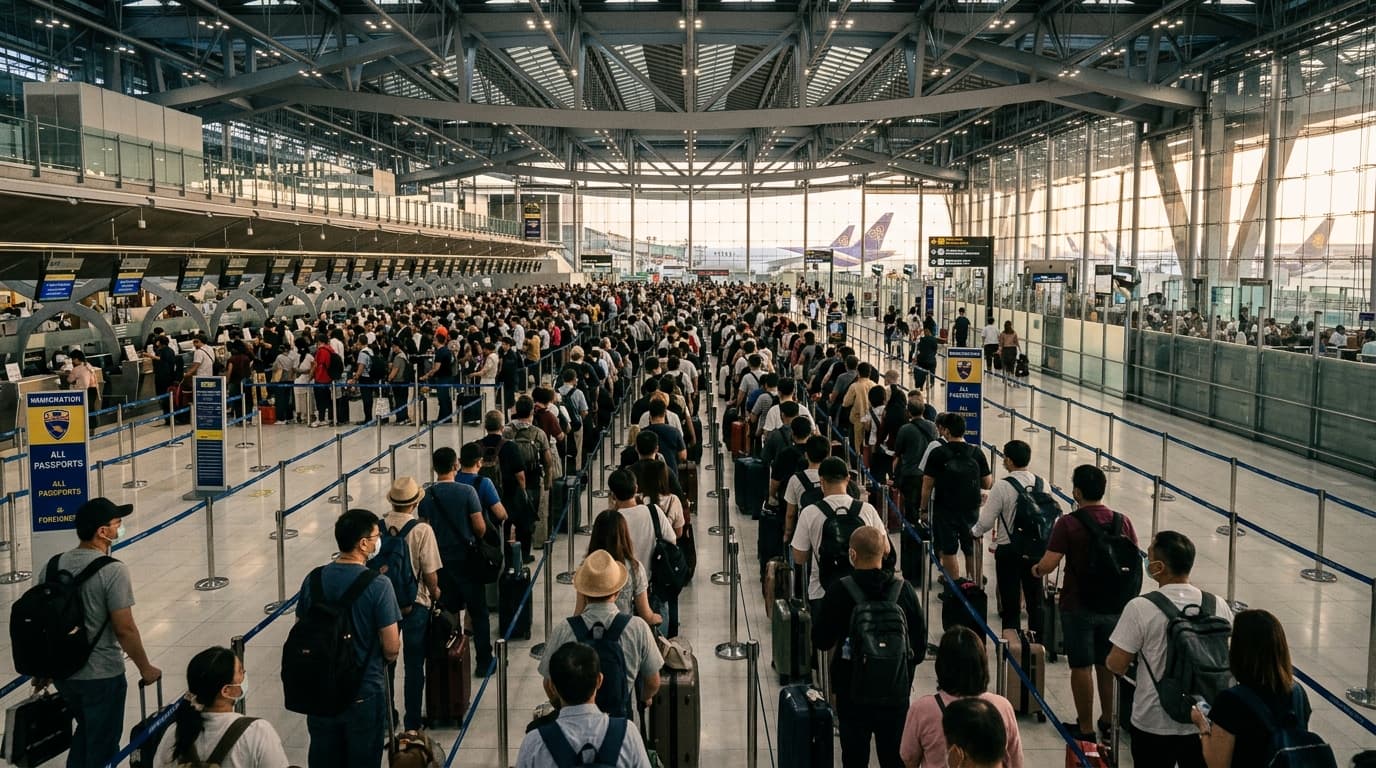
The Great Bureaucratic Flop


As a former nomad, and current slowmad, I must say that one thing I've learned while living abroad is the bureaucracy never dies, it only transforms... each country with it's own flavor. But, what do you think? residency vs non-residency?
The digital nomad visa (DNV) was supposed to be our ticket to legitimacy. After years of hiding behind tourist stamps and "business meeting" excuses at immigration, we were promised a legal path to live and work anywhere.
But as of March 2026, the dream is curdling into a bureaucratic nightmare. Despite the marketing hype from tourism boards, a 2023 RuNoMI survey found that nomads are actively rejecting these visas, preferring to stay "under the radar" on tourist entries.
If you are currently weighing the pros and cons of a residency permit, you need to look past the glossy brochures. For many, the DNV is less of a golden ticket and more of a trap.
The Great Bureaucratic Flop
Italy was the most anticipated destination for the nomad community, yet in 2026, the Italian DNV is being widely labeled a flop. The reality involves a staggering 26% tax burden and rejection rates that would make a Harvard admissions officer blush.
The "Italy Paradox" is simple: the government wants your money, but their systems can't handle your reality. Vague requirements for "highly functional" contracts and a strict "no Italian clients" rule have left hundreds of applicants in limbo.
Many nomads are realizing that the "freedom" of a DNV is an illusion. Why spend €3,000 on lawyers and translations for a permit that ties you to one spot, when a 90-day tourist stamp in Spain offers the same sunsets with zero paperwork?
The Courtroom vs. The Remote Worker
The legal walls are closing in on the self-employed. A landmark 2026 ruling by the High Court of Madrid denied a nomad permit to a sole director of their own company.
The court's logic was chillingly narrow: if you employ yourself, you don't fit the legal definition of a remote worker. This sets a restrictive precedent that could disqualify a huge chunk of the freelance community.
There is a fundamental disconnect between immigration law and modern work. The Migration Policy Institute (MPI) warns that current systems are unfit for the spectrum of remote work. Beyond the personal risk, there is the "Permanent Establishment" threat. If you stay too long, your employer back home might unknowingly inherit massive tax liabilities just because you wanted to work from a cafe in Mexico City.
The Gentrification Tax and Local Backlash
We like to think of ourselves as economic saviors, but the data tells a different story. In Mexico, housing prices rose by 247% between 2005 and 2021.
In 2026, the cultural segregation is reaching a breaking point. Rents in nomad hubs often inflate two to three times faster than local wages. This has led to the aggressive task forces we saw in Bali, where officials began cracking down on anyone even looking at a laptop in a beach club.
You have to ask yourself: is the short-term infusion of your "nomad dollars" worth the long-term displacement of a city's soul? When you use a DNV, you aren't just a visitor; you are a participant in a system that often prices locals out of their own neighborhoods. To stay informed on these shifts, it is best to check a reliable expat news source regularly.
The Passport Privilege Gap
The "Global Citizen" narrative is a lie. It assumes everyone has equal access to the world, but your mobility is entirely dependent on the color of your passport.
While a German or Canadian can breeze through most borders, African and Global South nomads face a "hostile travel" environment. A Kenyan nomad, for instance, often deals with higher visa fees, frequent "visa runs" every two weeks, and a much higher rate of arbitrary denials.
DNVs aren't breaking down borders; they are reinforcing old colonial hierarchies. They create a "pay-to-play" system where only the geopolitical elite can afford the "freedom" of remote work. If you are struggling to figure out which path is open to you, using a visa finder quiz can help clarify your options based on your specific nationality.
The Invisible Cost of Compliance
The paperwork doesn't end when you get the visa. For US citizens, the IRS requires Forms 1116 or 2555, and FBAR filings for any foreign account holding over $10,000.
Without specific tax treaties, you face a very real risk of double taxation. You pay into a social security system in a country where you will never draw a pension, while simultaneously losing your safety net back home. This "pension gap" can leave you with zero retirement security after a decade of country-hopping.
The Stamped Nomad community often discusses the "brain drain" effect as well. While host countries gain your spending money, your home country loses the tax revenue and social contributions that sustain its infrastructure. It is a parasitic relationship disguised as a lifestyle choice.
Beyond the Plastic Residency Card
If the DNV is a failed experiment, what comes next? Experts suggest we need a "policy continuum" rather than a one-size-fits-all visa. We need systems that recognize the difference between a one-month "workation" and a three-year residency.
There are small victories. In 2026, the Spanish Supreme Court struck down the rule requiring nomads to stay in the country for at least six months a year. It is a rare win for mobility, but it is overshadowed by the ongoing bureaucratic hurdles that make the initial application a nightmare.
Before you sign up for a multi-year commitment, use a country comparison tool to see if the tax and legal obligations actually align with your long-term goals. The friction of 20th-century borders is currently winning the war against 21st-century work. Until the law catches up to the way we actually live, the "gray area" of a tourist visa might remain the only true path to freedom.