Why Poland’s Residency Backlogs Matter for Remote Workers

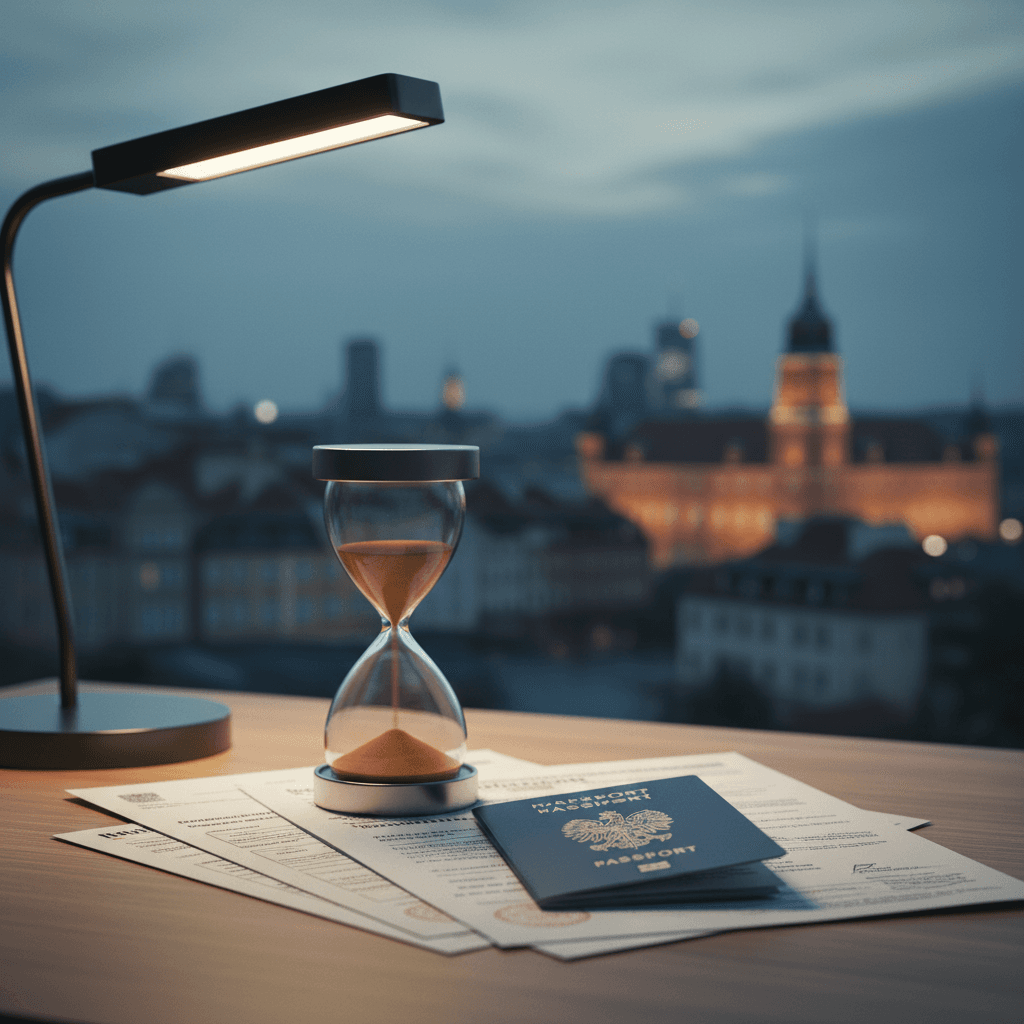
Poland has extended the suspension of statutory processing deadlines for residency and work permits through March 4, 2026. Under the Act of September 12, 2025, local voivodeship offices and the Office for Foreigners are not legally required to meet specific timelines or notify applicants about delays. While the government continues to accept new applications, this policy effectively removes legal recourse for "inaction" or slow processing.
The suspension impacts a wide range of stay regularizations, including:
- Temporary and permanent residence permits
- EU long-term resident status
- International protection cases
- Changes to existing work permits
Who is affected
This primarily impacts expats and digital nomads looking to transition from short-term visas to long-term residency. If you are currently in Poland on a Schengen tourist stay, your 90-day limit remains unchanged. However, those bridging their stay with a pending residency application face significantly longer wait times without the ability to file formal complaints over the delay. Ukrainian nationals under temporary protection have a separate extension through March 2027, but those shifting to standard permits will fall under these suspended deadlines.
What you need to do
Despite the lack of processing deadlines, your personal deadlines still apply. You must submit all required documentation on time to maintain your legal right to stay. Since January 1, 2026, all residence permit applications must be filed digitally via the MOS portal using a qualified e-signature. Paper submissions are no longer accepted and will be rejected.
Be prepared for higher costs, as government fees for these permits have increased between 300% and 700% to fund system upgrades. If you are planning a move or an extension, stay informed on the latest nomad news to track whether these suspensions are extended beyond the current 2026 cutoff.
Read our full Poland guide for the complete picture.
Frequently asked questions
How long has Poland suspended residency and work permit processing deadlines?
Can I challenge slow residency processing in Poland right now?
Can I still apply for residency or work permits in Poland?
Do Schengen tourist stay rules change while my residency application is pending in Poland?
How must residence permit applications be filed in Poland now?
Who is most affected by Poland's residency backlog?
Stay updated on Poland
Visa changes, travel alerts, and destination news — delivered when they actually matter.