What Digital Nomads Need to Know About Australia's Rental Reforms

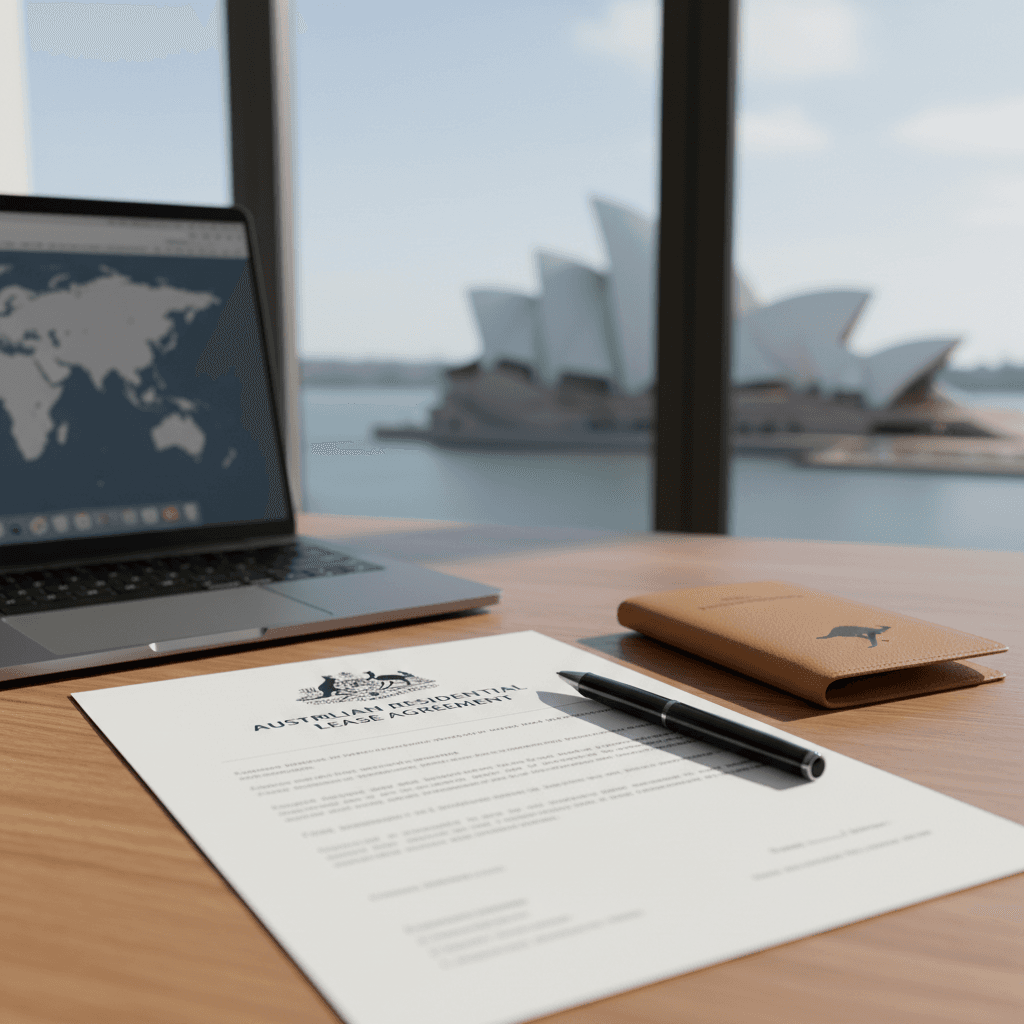
Australia has fundamentally reshaped its private rental market through a series of state-led reforms aimed at increasing tenant security. The most significant change for long-term travelers and expats is the widespread ban on no-fault evictions. In major hubs like Victoria and New South Wales, landlords can no longer terminate a lease without a specific, valid reason, such as property sales, major renovations, or unpaid rent.
These protections apply to residential tenancies, meaning anyone signing a formal lease for a house or apartment is covered. Fixed-term agreements now automatically convert to periodic (month-to-month) leases unless a valid notice is served or a new agreement is signed. Additionally, rent increases are now strictly limited to once every 12 months across most of the country, providing much-needed price stability for those staying in one location for a year or more.
Who is affected
These laws protect anyone on a residential lease, including digital nomads on Work and Holiday visas or temporary residents. While these reforms do not apply to short-term holiday stays or Airbnbs under 28 days, they are a game-changer for nomads who prefer the lower costs and stability of 6- to 12-month rentals.
Key protections and requirements
If you are looking for a base in Australia, keep these standards in mind:
- Rental bidding is banned, meaning landlords cannot ask you to pay more than the advertised price to secure a property.
- Landlords must meet mandatory minimum standards, including functional kitchens, heating, and structural integrity.
- In states like Victoria, third-party application fees are banned, and landlords must provide 90 days' notice for any rent increases.
- You have the right to challenge excessive rent hikes through state tribunals if the increase far exceeds the local Consumer Price Index (CPI).
When searching for a home, always use official government forms for your application and ensure your bond is lodged with the state rental authority. For more nomad news on housing and lifestyle, stay tuned to our latest updates.
Read our full Australia guide for the complete picture.
Frequently asked questions
Can a landlord evict me in Australia without a reason?
How often can rent increase in Australia?
Do Australia’s rental reforms apply to digital nomads?
Can landlords in Australia ask for more than the advertised rent?
What rental standards must landlords meet in Australia?
Can I challenge a rent increase in Australia?
Stay updated on Australia
Visa changes, travel alerts, and destination news — delivered when they actually matter.