Vietnam dual pricing pushes monthly nomad costs past $700 threshold

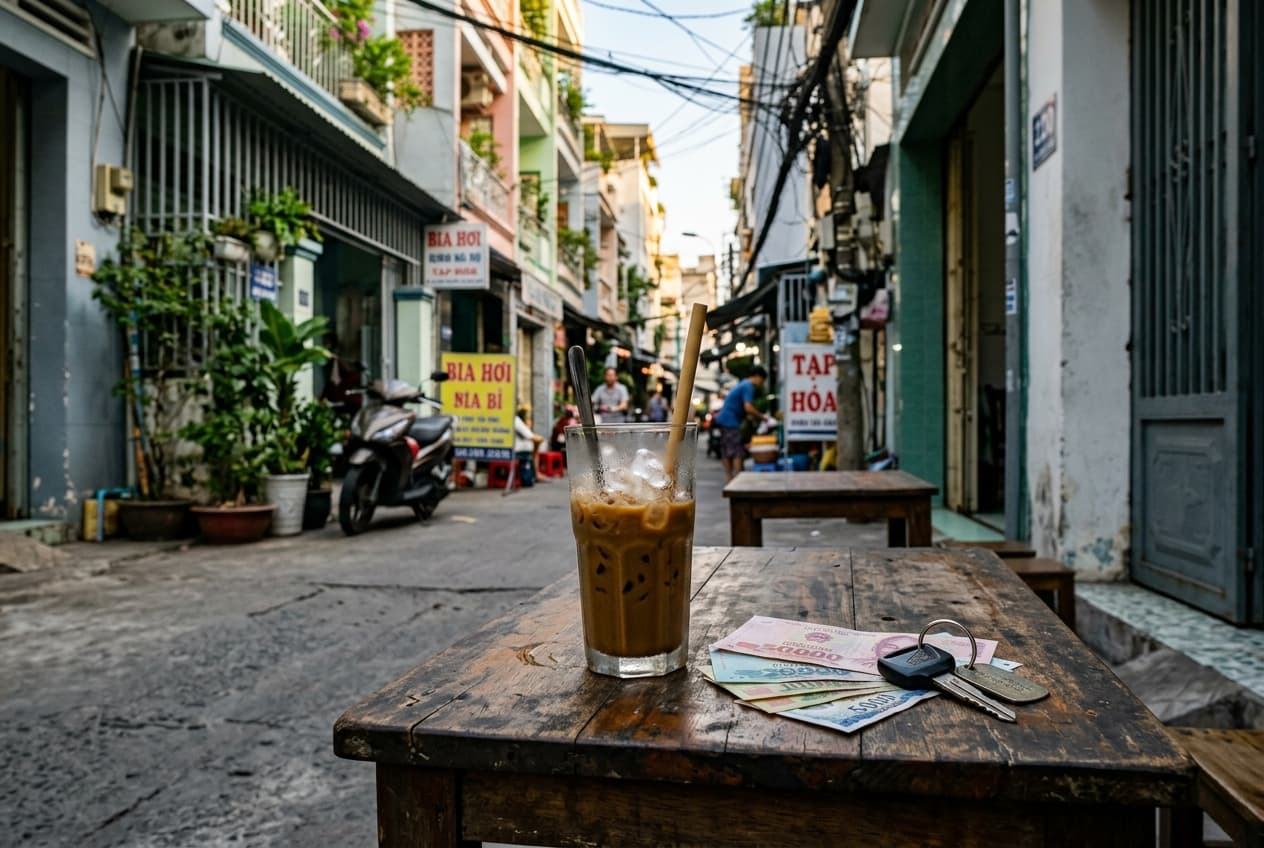
Vietnam's foreigner premium pushes budget nomads out of the 700 dollar bracket
Where the price gap actually shows up
Vietnam has no statute creating tiered pricing for foreigners, but dual pricing operates openly across markets, street food stalls, taxis and tour bookings in Hanoi, Da Nang, Hoi An and Ho Chi Minh City. Verified daily costs sit at 25 to 45 USD for budget travel and 60 to 100 USD at the mid range, figures that already bake in tourist markups.
Record visitor volumes and a government push to grow long-term foreign stays have lifted rents in the main nomad hubs. Monthly living costs in Da Nang and Hoi An commonly run 700 to 1,200 USD, the lower end of which is getting harder to hit without local-language negotiation or long-term lease leverage.
Who feels the squeeze
Short-stay tourists keep the upside: the 90-day e-visa is open to all nationalities, 45-day visa-free entry covers UK, French, German, Italian, Spanish, Japanese, South Korean and several Nordic passports through at least mid-2028 and 83 ports accept e-visa entry as of Dec. 2, 2025.
Long-stay nomads carry the risk. There's still no dedicated digital nomad visa, so most cycle 90-day e-visas with border runs. Decree 282/2025 doubled overstay fines in December and Decree 59/2026/ND-CP, in force since April 1, broadened the violations that trigger deportation, including unauthorized work and unpaid fines, with immediate removal if fines go unpaid.
Skilled professionals get a new route on July 1: the UĐ1 visa for high-end digital technology and special talent workers, valid up to five years, with UĐ2 for spouses and children under 18.
What it costs and what to file
E-visa fees are fixed and paid through the official Immigration Department portal:
- 25 USD for a single-entry 90-day e-visa
- 50 USD for a multiple-entry 90-day e-visa
- Up to 40 million VND in overstay fines under the current penalty scale
From April 15, foreign arrivals at Tan Son Nhat in Ho Chi Minh City must complete an online pre-arrival declaration and present a QR code at immigration. Property buyers remain capped at 30% of units in any condo building, with separate numeric caps on landed houses per ward.
Read our full Vietnam guide for the complete picture and track visa updates as the UĐ1 rollout approaches.
Frequently asked questions
How much do digital nomads spend monthly in Da Nang and Hoi An?
Does Vietnam have a digital nomad visa?
How much does a Vietnam e-visa cost?
How long can I stay in Vietnam on a tourist e-visa?
Which passports get 45-day visa-free entry to Vietnam?
How much are overstay fines in Vietnam?
What documents do arrivals at Tan Son Nhat need before immigration?
Stay updated on Vietnam
Visa changes, travel alerts, and destination news — delivered when they actually matter.