US State Department warns Mexico travelers to skip intercity trips after dark

What the State Department advisory says
The U.S. State Department keeps Mexico at Level 2 ("exercise increased caution") nationwide, with the latest update reissued in late May urging travelers to skip intercity trips after dark and avoid hailing taxis on the street. The guidance points to crime and kidnapping as the drivers and directs travelers to state-by-state pages for sharper risk reads.
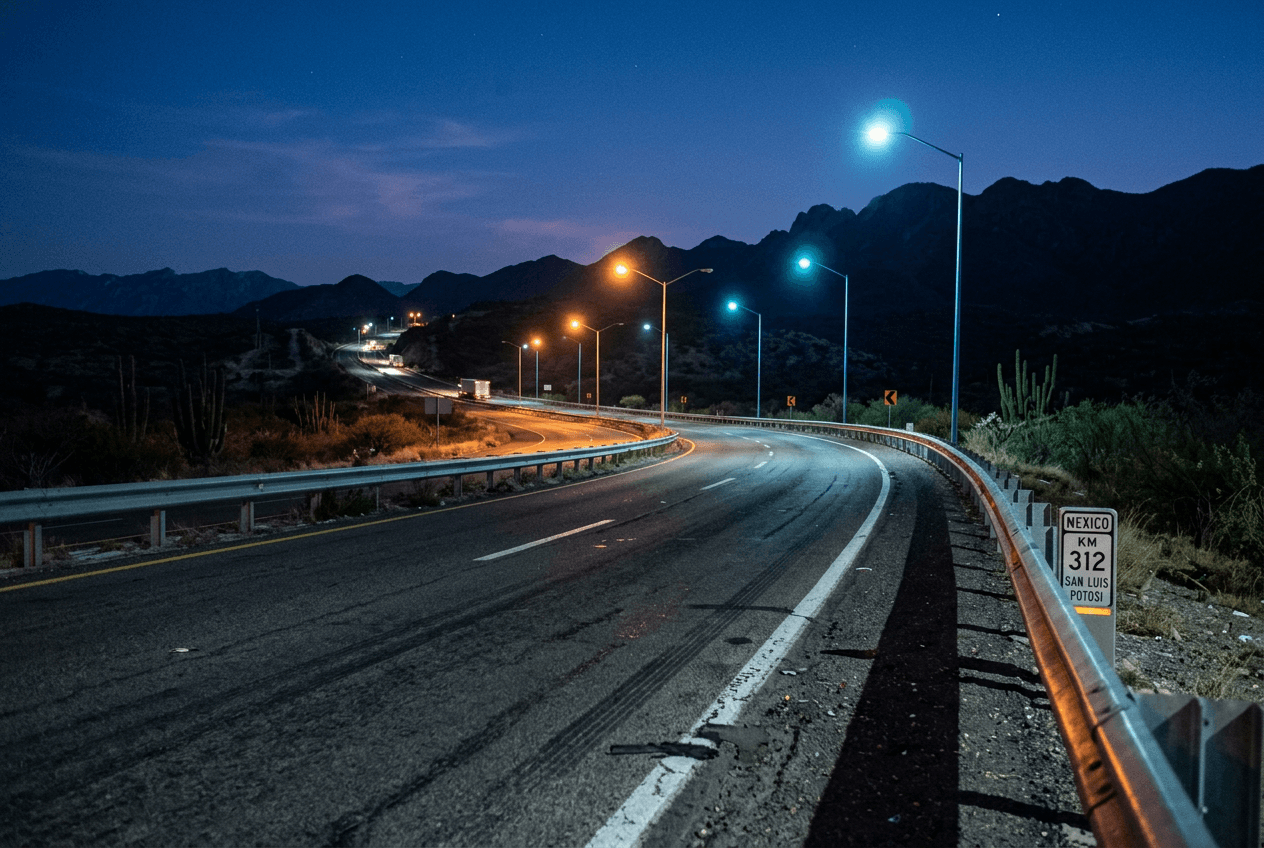
U.S. government employees in Mexico operate under a hard rule: no travel between cities after sunset and no street-hailed cabs. They must use dispatched vehicles from regulated taxi stands or app-based services like Uber or Cabify. Private travelers are urged to follow the same playbook.
Six states sit at Level 4 "don't Travel": Colima, Guerrero, Michoacán, Sinaloa, Tamaulipas and Zacatecas. Baja California, Chihuahua, Guanajuato, Jalisco and Sonora carry Level 3.
Who feels the squeeze
The advisory hits anyone moving between Mexican cities, but it lands hardest on digital nomads and expats who treat overnight ADO buses or late-evening drives as routine. Pushing those trips into daylight means rebuilt itineraries, extra hotel nights and higher transport spend.
Travelers headed to 2026 World Cup venues are a named focus. The State Department flags airport-to-stadium and intercity transport as priority risks for match attendees.
Within Mexico City, Guadalajara, Monterrey and the coastal hubs, the practical impact is narrower: stick to Uber, Cabify or sitio taxis instead of street cabs and skip walking home alone after dark. Most long-stay residents already do this.
Steps to take before the next trip
- Enroll in STEP (Smart Traveler Enrollment Program) before arrival. It's free and lets the embassy reach travelers in an emergency.
- Book intercity buses and drives for daylight hours and use toll roads where available. Police and emergency response thin out fast outside major cities at night.
- Default to app-based rides. Street taxis remain the single behavior the advisory most explicitly warns against.
- Carry a passport book for air entry. A passport card won't work for flights into Mexico.
- Leave vapes, e-cigarettes, weapons and ammunition at home. Mexican law carries severe penalties and the embassy reiterated the warning in its spring travel messaging.
Read our full Mexico guide for the complete picture.
Frequently asked questions
What is the current U.S. State Department travel advisory level for Mexico?
Which Mexican states are under the highest travel warning?
Can U.S. government employees travel between Mexican cities at night?
Should travelers use street taxis in Mexico?
Is it safer to travel between Mexican cities during the day?
What should travelers do before arriving in Mexico?
Can I enter Mexico with a passport card on a flight?
Stay updated on Mexico
Visa changes, travel alerts, and destination news — delivered when they actually matter.