Mexico adds strategic project track to Temporary Resident Visa rules

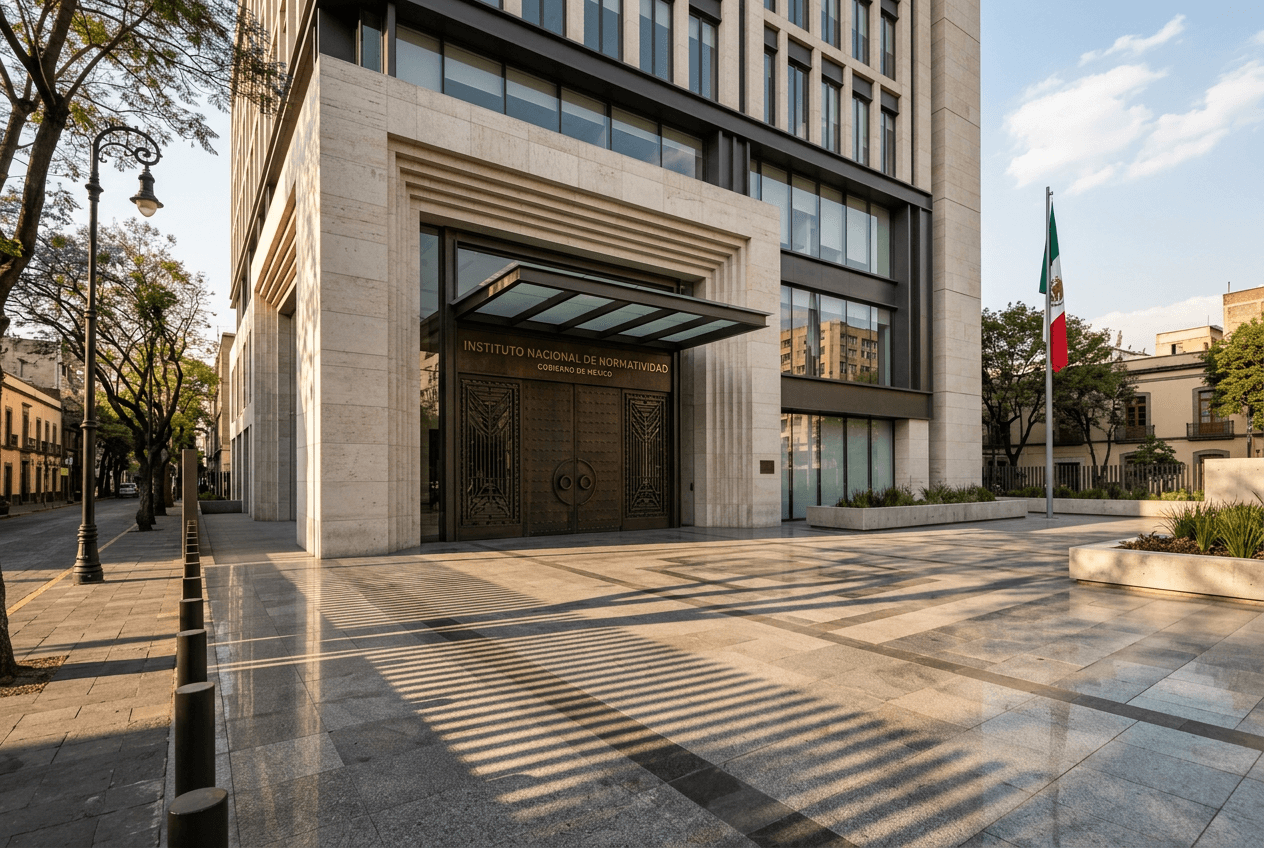
Mexico opens a strategic-project track inside the Temporary Resident Visa
Mexico reworked its Temporary Resident Visa rules on May 16, adding a dedicated track for highly specialized foreign experts working on strategic projects and tightening documentation across regular work visas. The reform, published by the Interior Ministry (SEGOB) and the Foreign Affairs Ministry (SRE) in the Diario Oficial de la Federación on May 15, took effect the next day.
The new sub-category covers foreign nationals providing technical assistance, consulting or knowledge transfer without a local employment relationship or Mexican payroll. A Mexican legal entity, public or private, must sponsor the expert, cover their maintenance and return, justify why foreign expertise is needed and submit a knowledge-transfer plan training Mexican staff to reduce long-term dependence on foreign talent.
Who feels the change
Specialists hired for infrastructure, energy, technology and logistics projects are the primary targets, along with the Mexican companies sponsoring them. Foreigners applying for the Temporary Resident Visa with permission to perform remunerated activities also face stricter rules: employers must now spell out work modality (on-site, remote or hybrid), exact work addresses, salary and pay frequency in the offer letter. Consulates can demand apostilled degrees, certifications and professional licenses even for senior roles, per Fragomen and Newland Chase.
Digital nomads get nothing new. Mexico still has no dedicated nomad visa, so remote workers continue to rely on the Temporary Resident Visa based on economic solvency or stay under 180 days as tourists. Casual visitors and tourists are largely unaffected, though border officers are watching more closely for people working on visitor status.
What applicants and sponsors should do
Companies bringing in foreign specialists should prepare a project description, a justification for the foreign hire and a documented training plan for Mexican employees before filing. Applicants should gather degrees, certifications and experience records and check with the relevant Mexican consulate on apostille and legalization requirements, which vary by post.
Operational rollout is still uneven. Fragomen and Newland Chase both note consulates and the National Migration Institute (INM) are still defining internal criteria, so documentation lists and processing times may shift in the coming months.
Read our full Mexico guide for the complete picture and follow our visa updates for changes as INM publishes them.
Frequently asked questions
Does Mexico have a dedicated digital nomad visa?
What is the new strategic-project track in Mexico's Temporary Resident Visa rules?
Who has to sponsor a foreign expert under Mexico's strategic-project track?
What details must employers include in offer letters for Mexico work visas now?
Which industries are most affected by Mexico's new visa changes?
Can Mexican consulates ask for apostilled degrees or professional licenses?
Stay updated on Mexico
Visa changes, travel alerts, and destination news — delivered when they actually matter.