US maintains Level 1 travel advisory for Croatia nomads and tourists

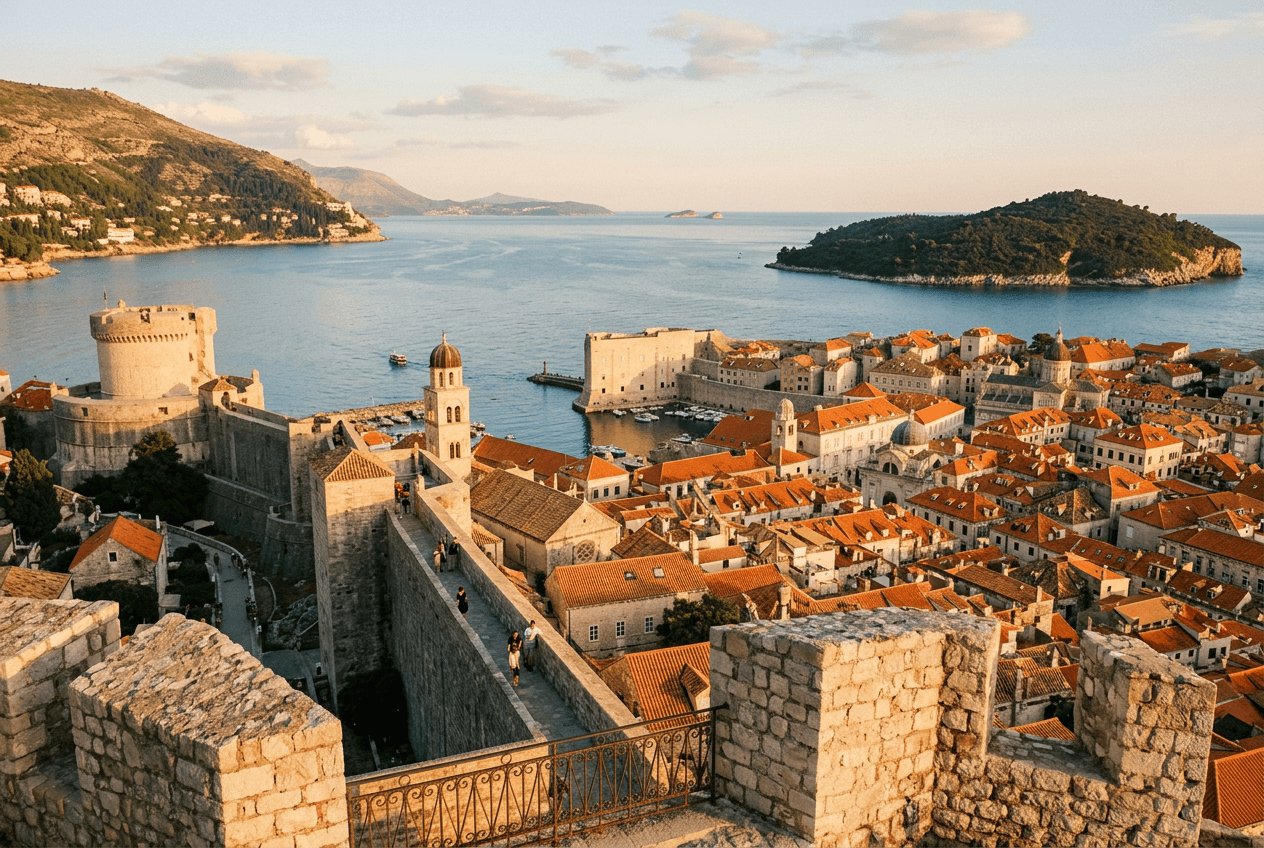
Croatia stays at Level 1 on the US advisory scale
The U.S. Department of State reissued Croatia's travel advisory at Level 1: Exercise normal precautions on May 18, 2026, keeping the country in the lowest of four risk tiers. The State Department's advisory page lists no specific risk indicators for Croatia, meaning no nationwide security, terrorism, crime or health flags are attached to the rating.
The Level 1 status was also reaffirmed in October 2025 without change and it remains in effect until the State Department issues a new bulletin. Croatia's advisory matches similar normal-precautions ratings issued by Canada and Australia.
Who the rating covers
The advisory applies to all U.S. citizens in Croatia, including short-term tourists, students, expats and remote workers on the country's digital nomad residence permit. For long-stay visitors, the rating signals no systemic security issues that would typically disrupt remote work or extended stays.
Croatian authorities still flag two practical risks. Petty theft, including pickpocketing and purse-snatching, occurs in tourist areas and on public transport. Landmines remain in some remote rural and forested zones affected by past conflict and travelers are warned to stay on marked trails near former front lines.
Entry rules and registration
The advisory itself sets no fees or visa rules, but the State Department flags several entry points travelers should track:
- Schengen entry: Croatia follows Schengen rules, allowing many non-EU nationals up to 90 days in any 180-day period without a visa.
- Border checks: Land crossings with Serbia, Bosnia and Herzegovina and Montenegro still involve police and customs checks because those neighbors sit outside Schengen. Carry a valid passport.
- Police registration: Visitors must register their stay with local police within three days of arrival. Hotels and most rental hosts handle this automatically; those in private accommodation should confirm the host files it.
The U.S. Embassy in Zagreb also issues periodic local alerts for demonstrations and large public events, which can cause traffic disruptions and heightened police presence without changing the overall advisory level. Travelers can check the embassy's alerts page before arrival.
Read our full Croatia guide for the complete picture and follow ongoing visa updates for changes to the advisory.
Frequently asked questions
What is Croatia's current U.S. travel advisory level?
Are there any nationwide security or health warnings for Croatia?
How long can many non-EU nationals stay in Croatia without a visa?
Do visitors have to register with police in Croatia?
What safety risks should travelers watch for in Croatia?
Does the Croatia advisory cover digital nomads and remote workers?
Stay updated on Croatia
Visa changes, travel alerts, and destination news — delivered when they actually matter.