U.S. holds Bolivia at Level 2, flags Chapare as Do Not Travel

Travel advisory stays in force
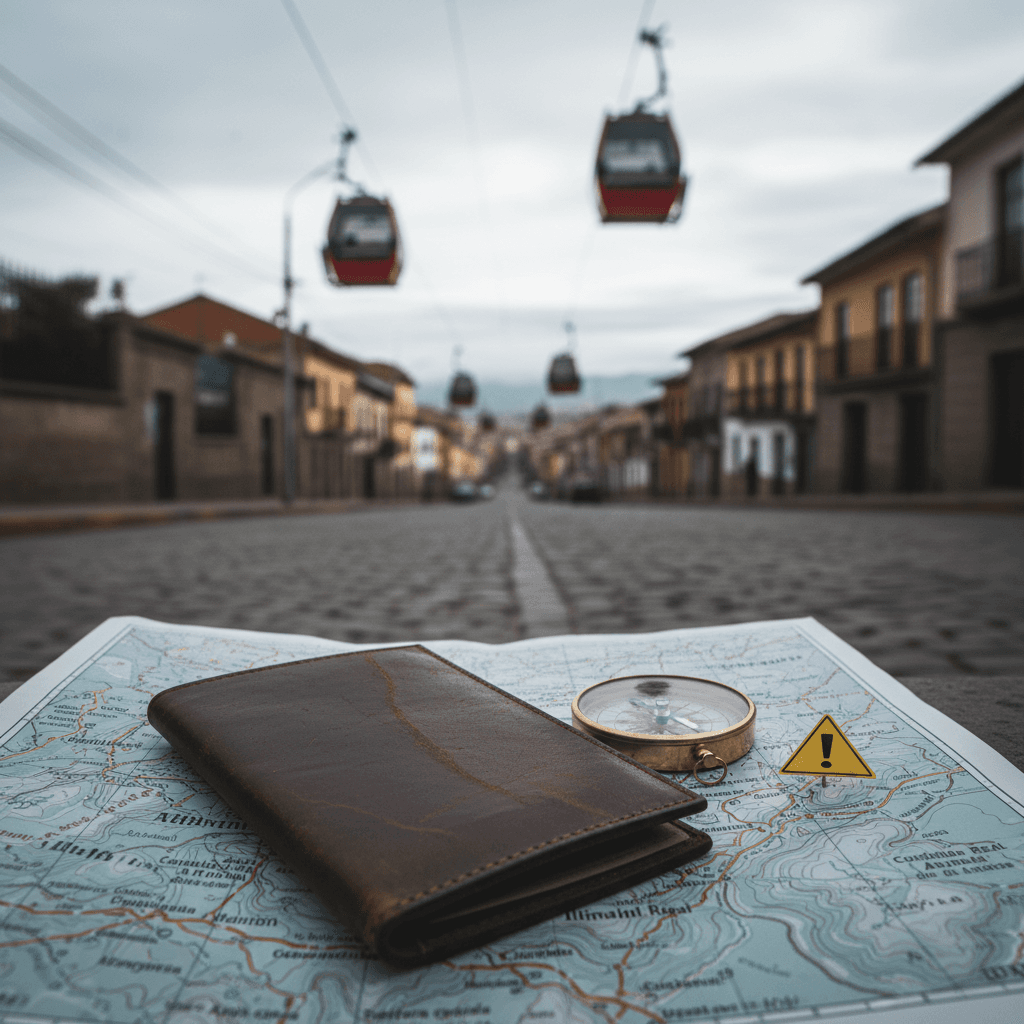
The U.S. State Department keeps Bolivia at Level 2: Exercise Increased Caution because of civil unrest and crime. The Chapare region in Cochabamba Department remains at Level 4: don't Travel because of violent crime and limited emergency services.
The advisory was reissued after an annual review around April 2026 and doesn't have an end date. It warns that demonstrations, strikes and roadblocks can turn violent, block traffic and cancel flights.
Who faces the biggest disruption
Tourists, expats and digital nomads are all exposed to the same basic problem: travel can stall fast and without much warning. Petty theft is common in tourist areas, while express kidnappings have been reported in La Paz, the State Department said.
Chapare carries the sharpest risk. U.S. government employees need special authorization to visit and the embassy says it has limited ability to help U.S. citizens there. Unreliable internet outside major cities and altitude issues in places like La Paz can add to the strain for remote workers.
How travelers can cut the risk
Travelers should enroll in STEP, monitor local media and avoid crowds, roadblocks and marches. The State Department also recommends radio taxis and evacuation insurance.
Entry rules haven’t changed. U.S. citizens still need a passport valid for 6 months, proof of address in Bolivia and, for tropical areas, a yellow fever vaccination. Read our full Bolivia guide for the complete picture and check visa updates before you book.
Frequently asked questions
What is the current U.S. travel advisory level for Bolivia?
Is it safe to travel to Chapare in Bolivia?
What travel disruptions are happening in Bolivia?
What risks do digital nomads face in Bolivia?
What entry requirements apply to U.S. citizens traveling to Bolivia?
How can travelers reduce risk in Bolivia?
Stay updated on Bolivia
Visa changes, travel alerts, and destination news — delivered when they actually matter.