United States raises B-1/B-2 visa bond ceiling to $20,000

| Pilot Program (2025-2026) | $15,000 |
|---|---|
| Permanent Program (2026+) | $20,000 |
United States raises B-1/B-2 visa bond ceiling to $20,000
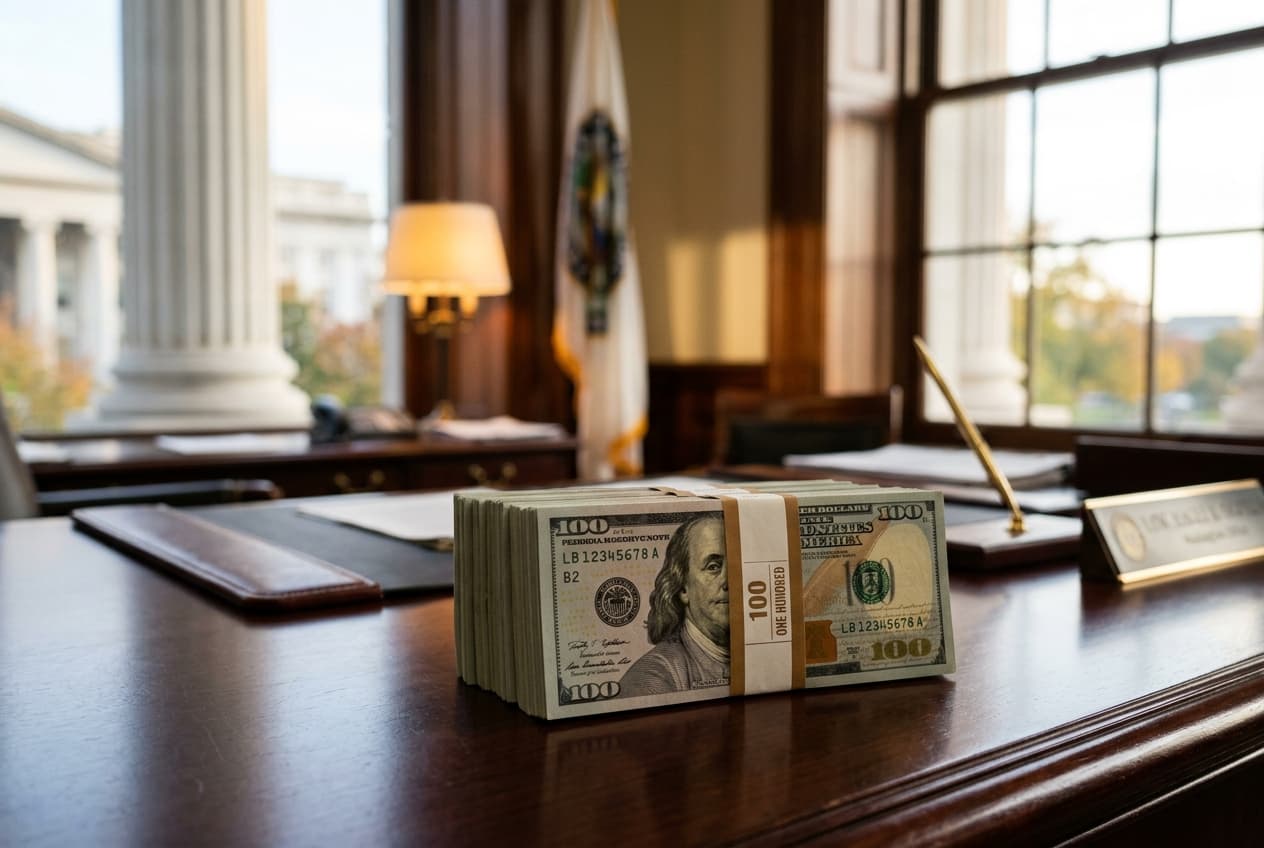
The United States made its B-1/B-2 Visa Bond Program permanent on Aug. 3, raising the maximum refundable bond from $15,000 to $20,000 and eliminating the previous $5,000 option.
The permanent bond scale
Under the former pilot, consular officers could set bonds at $5,000, $10,000 or $15,000. The permanent program allows amounts of $10,000, $15,000 or $20,000, according to the State Department’s final rule.
Officers generally treat $15,000 as the expected amount. They may set a $10,000 bond when $15,000 would be unaffordable but the proposed travel remains supported or require $20,000 when they perceive a higher overstay risk. That creates a steeper upfront cash burden for some tourists and business travelers.
The old pilot ended Aug. 5
The temporary pilot ran from Aug. 20, 2025, through Aug. 5, 2026. Bonds imposed under that pilot retain their original terms and aren’t retroactively increased, even though the permanent rule took effect two days before the pilot ended.
Covered applicants whose visas are issued on or after Aug. 3 should budget for a bond as high as $20,000. Existing pilot bond holders don’t need to add money solely because the ceiling increased.
Who can be required to pay
The program covers B-1, B-2 and combined B-1/B-2 applicants traveling on passports from countries on the State Department’s designated list. Changes adding countries take effect at least 15 days after publication, while removals can take effect immediately.
The bond doesn’t apply to F-1 students, J-1 exchange visitors or employment visas such as H-1B, L-1 and O-1. Those categories fall under separate United States visa and residency rules.
Covered applicants must post the refundable bond using Form I-352 and the Treasury Department’s electronic payment system after a consular officer requires it. The maximum can rise with inflation beginning Oct. 1, 2027, with further adjustments every seven years.
Frequently asked questions
What is the current maximum B-1/B-2 visa bond amount?
Who has to pay the B-1/B-2 visa bond?
Does paying the visa bond guarantee approval?
How do applicants pay the B-1/B-2 visa bond?
How must travelers enter and leave if they receive a visa under the bond program?
When is the visa bond returned?
Stay updated on United States
Visa changes, travel alerts, and destination news — delivered when they actually matter.