United States USCIS officers began immediate Green Card denials Aug. 5

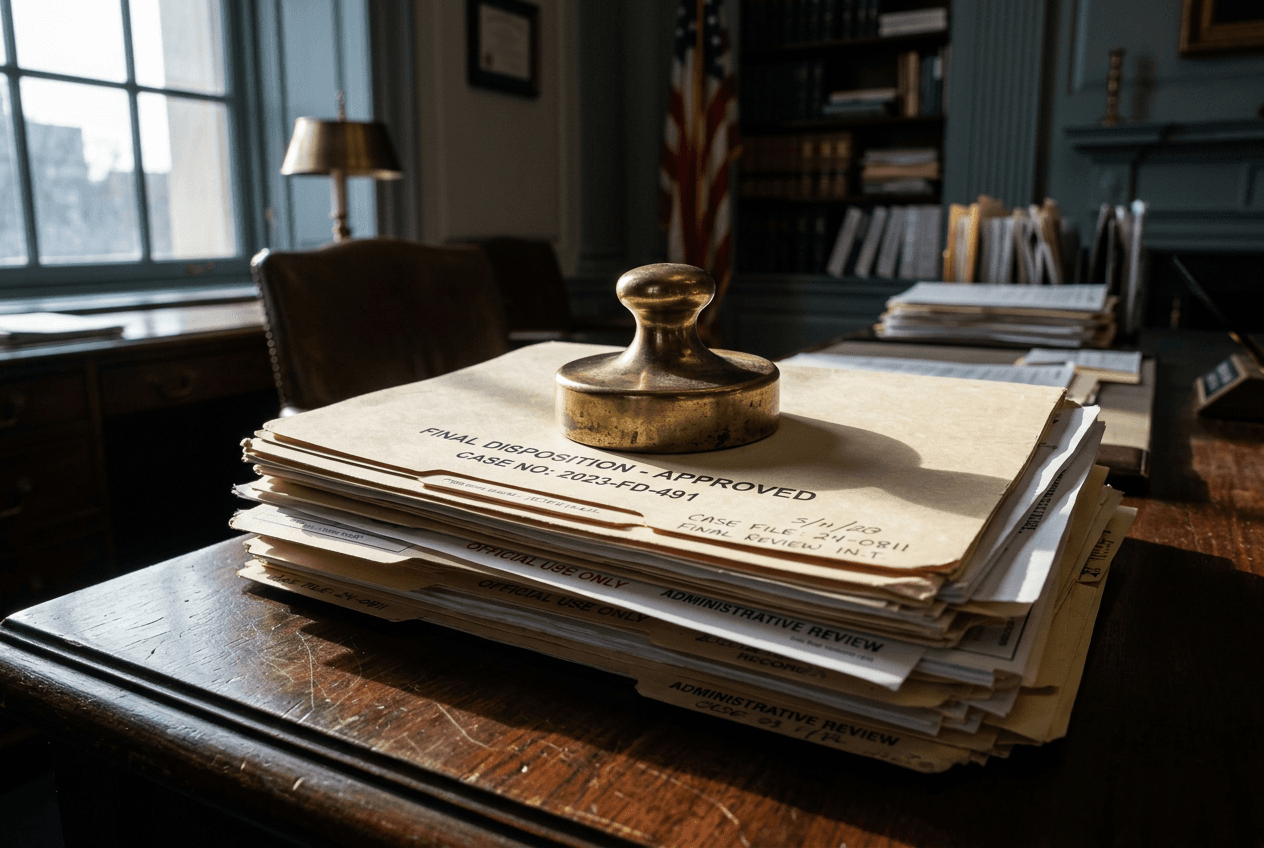
United States Citizenship and Immigration Services officers regained discretion Aug. 5 to deny incomplete or unsupported applications without first asking applicants for more evidence.
Officers no longer have to issue a warning
Under the restored policy, USCIS may deny a benefit request without sending a Request for Evidence (RFE) or Notice of Intent to Deny (NOID) when required initial evidence is missing or the filing doesn’t establish eligibility.
The agency can still request more information. It isn’t required to do so, particularly when no additional evidence could overcome the legal grounds for denial.
Basic filing defects work differently. USCIS generally rejects submissions with missing or invalid signatures before adjudication, while accepted applications can receive a denial on their merits.
Pending applications are covered
The policy applies to requests pending or filed on or after Aug. 5, unless another regulation or program-specific rule limits an officer’s discretion. Applications submitted before that date can therefore be decided under the restored framework if they remain pending.
Covered benefits include:
Green cards and adjustments of status
Employment authorization documents
Citizenship and naturalization
Travel documents
Extensions or changes of nonimmigrant status
Employer-filed immigrant and nonimmigrant petitions
The change affects expats, remote workers and travelers using USCIS processes, including B-1/B-2 visitors seeking extensions and workers pursuing H-1B, L-1 or O-1 status. The United States guide covers the wider residency framework.
Complete evidence must accompany the filing
Applicants filing on or after Aug. 5 must include every initial document, form and fee required by the relevant rules and form instructions. Rushed or placeholder filings submitted near a status-expiration date now carry a clearer risk of immediate denial instead of a chance to supplement the record later.
The policy governs USCIS adjudications, not visa interviews at U.S. embassies and consulates, which fall under the State Department. Tourists dealing only with a consulate or border officers aren’t directly covered.
Frequently asked questions
Can USCIS deny an incomplete green card application without asking for more evidence?
What USCIS applications are covered by the Aug. 5 policy change?
Do applications filed before Aug. 5 fall under the new denial rules?
What documents do I need to include with a USCIS filing now?
Does this policy apply to visa interviews at U.S. embassies and consulates?
Can USCIS still request more information after Aug. 5?
Stay updated on United States
Visa changes, travel alerts, and destination news — delivered when they actually matter.