Understanding Foreign Property Ownership Rules in Vietnam

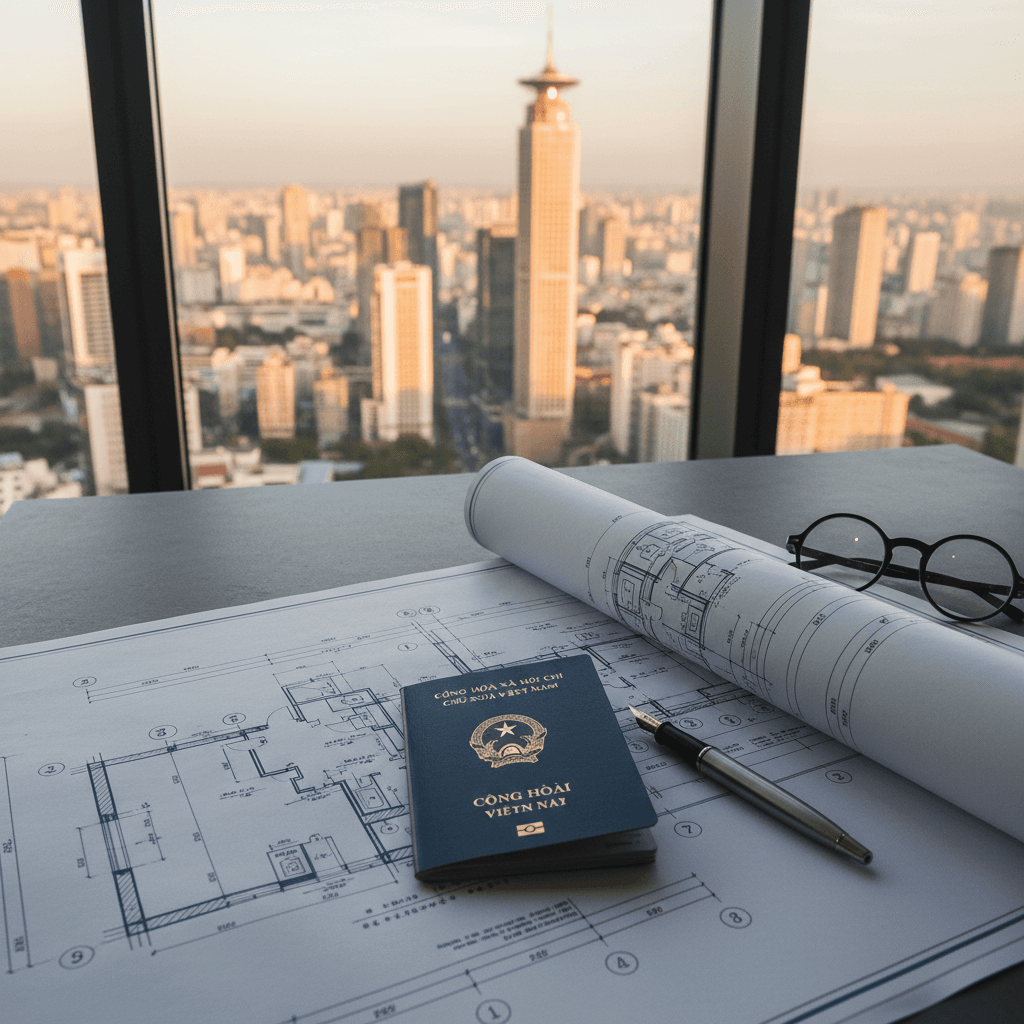
Vietnam’s housing regulations continue to shape how expats and remote workers approach long term residency. Under the current framework established by the 2023 Housing Law and Decree 95/2024/ND-CP, foreign nationals face specific restrictions designed to manage inventory and maintain national security.
The most significant hurdle is the quota system. Foreigners are limited to owning 30% of apartments in a single condominium building or 250 independent houses in a specific administrative ward. Perhaps more importantly, the secondary market remains largely restricted. Foreigners can generally only purchase, lease, or inherit property from developers or other foreign owners who already hold a valid title. Buying directly from a local Vietnamese citizen is typically not permitted for foreign individuals.
Who is affected
These rules primarily impact long term expats and digital nomads looking for a permanent base. While Viet Kieu (overseas Vietnamese) enjoy rights nearly equal to local citizens, other foreign nationals are restricted to 50 year leaseholds, which can be extended once for an additional 50 years. Tourists and short term travelers are unaffected, as these regulations only apply to those seeking formal property titles.
What you need to do
If you are considering a purchase, your first step is verifying the project's eligibility. Not every development is open to international buyers.
- Verify the developer has remaining foreign quota through provincial housing portals before signing any contracts.
- Ensure you have a valid passport with a proper entry stamp; individuals with diplomatic immunity are ineligible to own property.
- Submit extension applications at least 3 months before your initial 50 year term expires if you plan to hold the asset long term.
- Consult with a local legal expert to confirm the project is not located in a restricted "security-sensitive" zone.
Staying informed on nomad news is vital as provincial lists of eligible projects are updated periodically. Failure to verify quotas can lead to voided transactions, leaving buyers with only a claim for compensation rather than a property title.
Read our full Vietnam guide for the complete picture.
Frequently asked questions
Can foreigners buy property from Vietnamese citizens in Vietnam?
How much property can foreigners own in a condominium in Vietnam?
How long can foreigners hold property rights in Vietnam?
Who is allowed to own property in Vietnam as a foreigner?
What should foreigners check before buying property in Vietnam?
What happens if a foreign buyer does not verify the quota in Vietnam?
Stay updated on Vietnam
Visa changes, travel alerts, and destination news — delivered when they actually matter.