The small print in Vietnam's 90-day e-visa stay rule

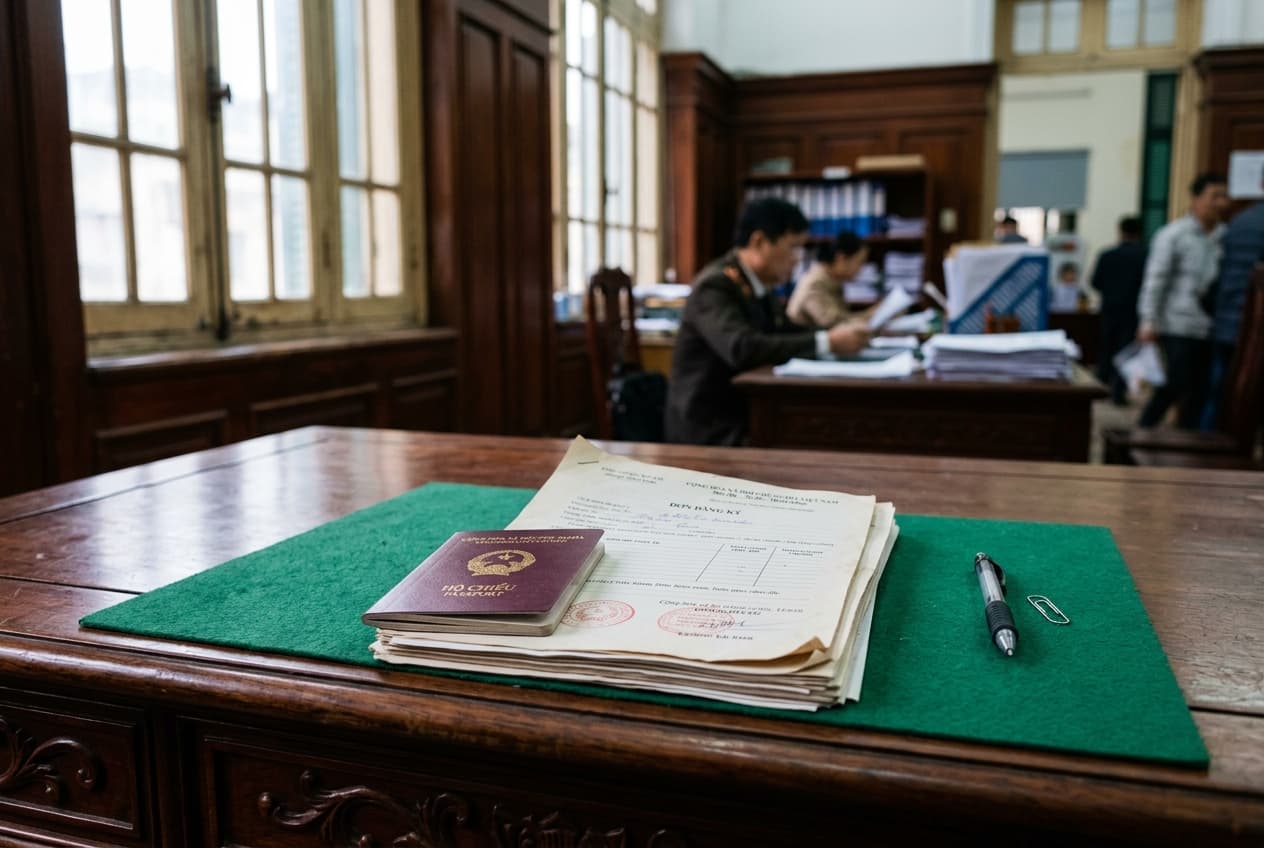
Vietnam pairs open visas with tighter local enforcement
Vietnam's Ministry of Public Security (MPS) ordered police units nationwide to step up checks on foreigners while keeping entry rules relatively loose, per a national meeting held May 15 in Ho Chi Minh City. The directive tells commune and ward police to handle more of the day-to-day monitoring, with digital systems tracking where foreigners actually stay.
Officials linked the shift to 22.8 million foreign arrivals in 2025, up about 18% from 2024 and a rise in online fraud, overstays and unauthorized work tied to looser visa rules. The 90-day e-visa for all nationalities, in effect since Aug. 15, 2023, stays in place.
Who feels the change
The MPS guidance covers all foreigners "living and travelling in the country," so the new enforcement reaches tourists on visa exemptions, e-visa holders, digital nomads stretching 90-day stays and residents on work permits, temporary residence cards or investor visas.
Landlords and accommodation providers carry direct legal duties too. Hotels, serviced apartments, homestays and private rental hosts must register foreign guests with local police and cooperate with inspections. Neighborhood police are the front line, meaning apartment-level checks on whether a foreign tenant has been properly declared.
The MPS flagged repeated overstays and tourist-status work as triggers for fines or deportation.
What to do before and during a stay
E-visa applicants should file through the official Immigration Department portal, upload a passport page and photo, pay online and confirm the chosen border gate accepts e-visas, which matters for overland crossings. Printed or digital copies must be shown at immigration.
Temporary residence registration is the bigger pressure point. Hosts must file within 12 hours in urban areas and 24 hours in remote areas through the provincial immigration site or the MPS National Public Service Portal. There is no government fee for the declaration itself.
Practical steps for nomads and longer-stay visitors:
- Confirm at check-in that the hotel or landlord has filed the temporary residence declaration.
- Keep passport, visa and entry stamp accessible for local police checks.
- Track e-visa expiry dates carefully, since enforcement of overstays is tightening.
- Avoid any paid work on a tourist or e-visa status without a permit.
For broader visa updates, monitor the MPS and Immigration Department portals directly.
Read our full Vietnam guide for the complete picture.
Frequently asked questions
Does Vietnam still offer a 90-day e-visa for all nationalities?
Who is affected by Vietnam's new foreigner enforcement checks?
Do hotels and landlords have to register foreign guests in Vietnam?
How soon must temporary residence be registered in Vietnam?
Is there a government fee for Vietnam's temporary residence declaration?
Can I work in Vietnam on a tourist or e-visa status?
Stay updated on Vietnam
Visa changes, travel alerts, and destination news — delivered when they actually matter.