The Small Print in Slovakias Mandatory EES Rollout

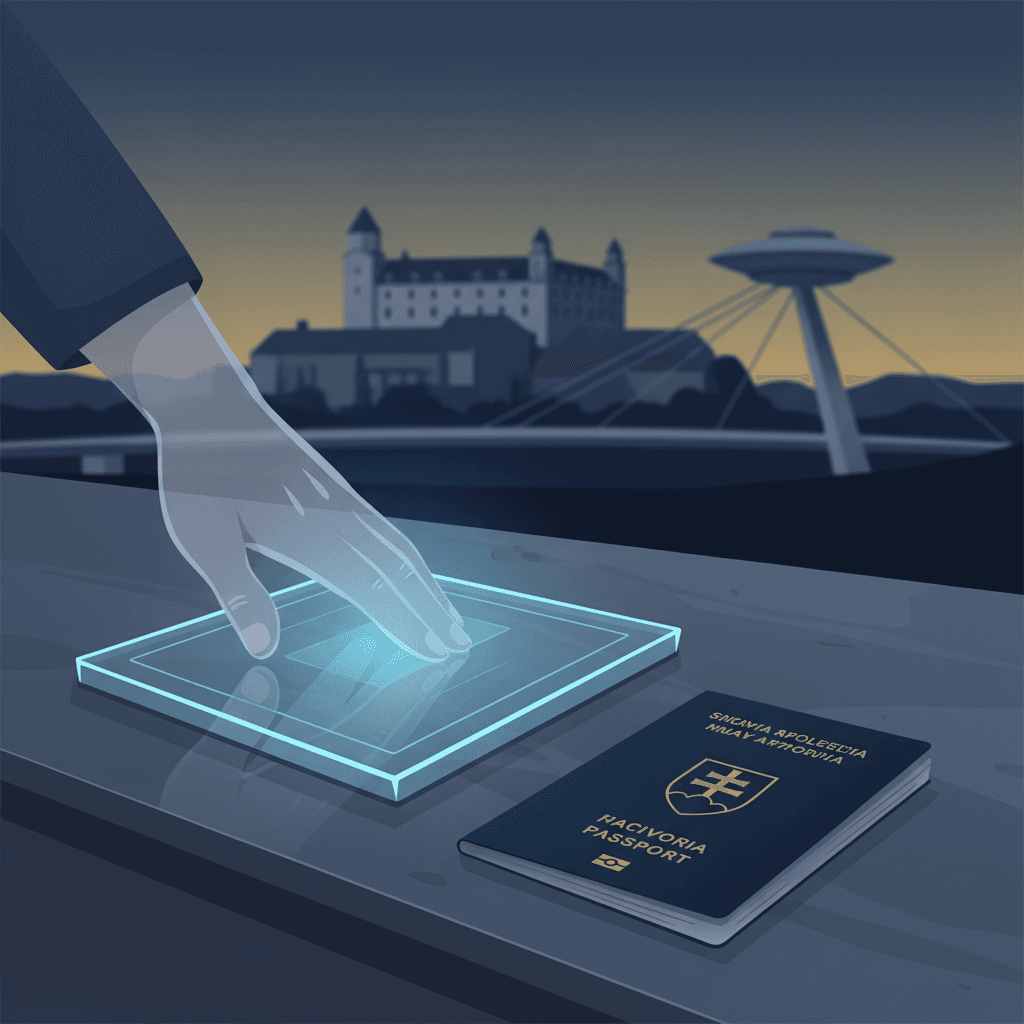
The EU Entry/Exit System went fully live across all 29 Schengen countries on April 10, 2026 and passport stamping is, honestly, gone for good. The system electronically records every entry and exit by non-EU nationals, collects four fingerprints plus a live facial image and automatically tracks the 90/180-day short-stay rule Schengen-wide , flagging overstays across all member states, not just the country where you crossed.
No fee. No opt-out. Refuse the biometric scan and you don't get in, full stop.
Tourists, digital nomads and visa-exempt travelers from the US, UK, Canada and Australia are all affected, the EES applies any time you're entering on a short stay. EU/Schengen nationals, long-stay visa holders, residence permit holders and diplomats are exempt, everyone else registers. Since the gradual rollout began in October 2025, over 45 million border crossings have been logged and more than 24,000 people refused entry , mostly for expired or fraudulent documents, which, surprisingly, is already a significant number for a system that's barely six months old.
The first days of full implementation were, frankly, rough. Airports across Europe reported 2-3 hour queues, passengers missed flights, Portugal temporarily suspended biometric collection on April 11 before resuming it that afternoon, France skipped biometrics for car travelers initially. Slovakia deployed the system in phases across its border crossings, so early disruptions were expected, they haven't fully resolved yet.
What to do now:
- Pre-register at self-service kiosks or via mobile app where available , it cuts wait times significantly
- Arrive early, especially at airports, the queues aren't theoretical
- Use the EU's short-stay calculator to verify exactly how many days you have left in your current 180-day window
- Overstays now trigger automatic flags and can result in fines, removal or a Schengen-wide entry ban
Data is retained for 3 years from your last exit or 5 years if no exit is recorded , so overstaying doesn't just cost you this trip. One more thing worth tracking: ETIAS, the pre-authorization system for visa-exempt travelers, is expected to launch in late 2026 and will add another layer to Schengen entry.
Read our full Slovakia guide for the complete picture and check nomad news for ongoing EES updates across the Schengen zone.
Frequently asked questions
What is the EU Entry/Exit System in Slovakia?
Who has to register under the EU Entry/Exit System?
What biometric data does the EES collect?
Does the EES track the Schengen 90/180-day rule?
Are there fees for using the EES?
How long is EES travel data kept?
What happens if I overstay under the EES?
Stay updated on Slovakia
Visa changes, travel alerts, and destination news — delivered when they actually matter.