The Small Print in Egypt's Split Level 2 and Level 4 Status

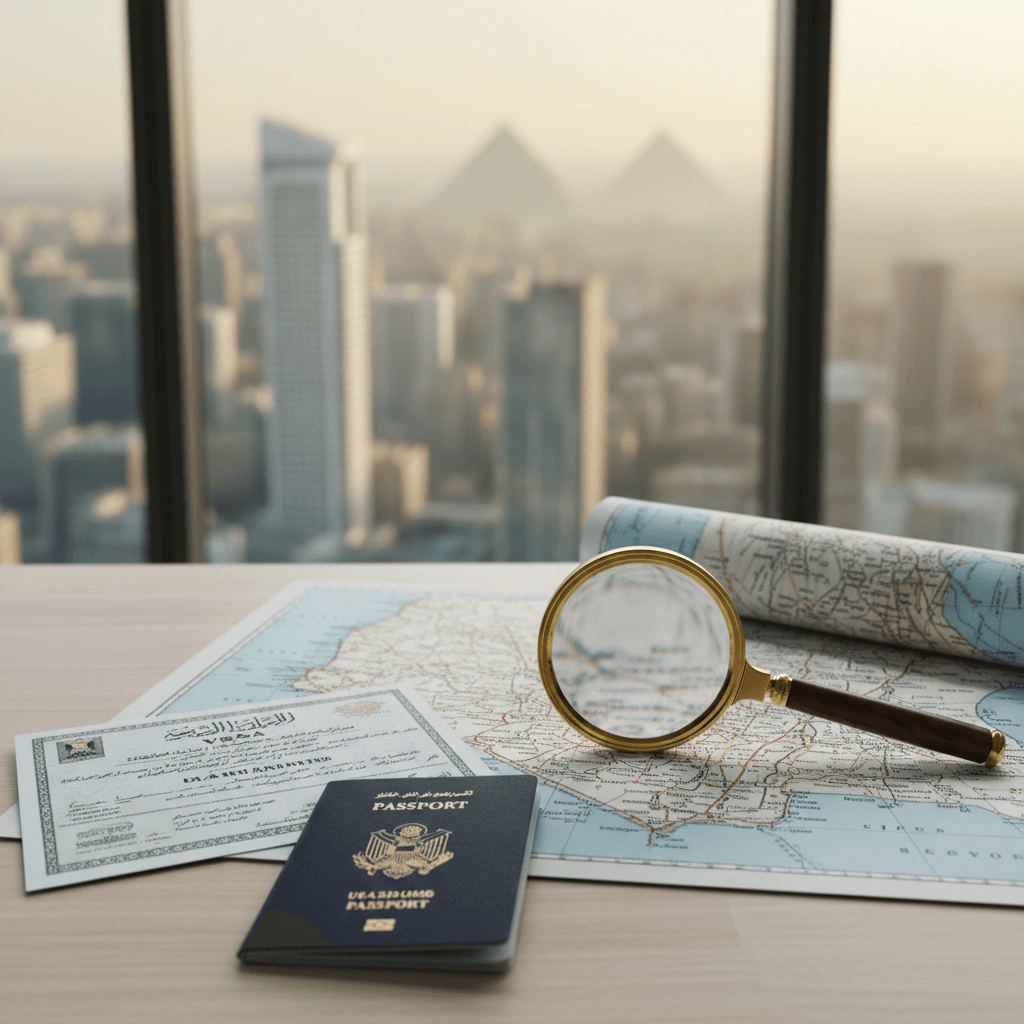
Egypt Keeps a Level 2 Travel Warning, With Level 4 Gaps
The policy is unchanged and that’s the point. The U.S. State Department still rates Egypt at Level 2: Exercise Increased Caution because of terrorism, crime and health risks, while keeping Northern and Middle Sinai, the Western Desert outside licensed tours and border zones at Level 4: don't Travel.
The UK FCDO is even sharper in parts of the country, with no-travel advice for North Sinai and areas within 20km of the Egypt-Libya border except El Salloum, plus all but essential travel guidance for stretches of the Western Desert and northern South Sinai. Tourism is still moving, hotels are still open and honestly, that’s where the tension sits: popular places can look normal while the warning map stays ugly.
Who it affects
Tourists, expats and digital nomads all face the same split reality. Cairo, Luxor, Aswan and Red Sea resorts can be workable with caution, but petty theft, scams, harassment and crowd risks are still part of the deal and women in particular should expect unwanted comments or contact.
Medical access is another weak spot. Emergency care can be limited outside major cities, ambulances can be unreliable and if you’re in a remote area, turns out you may be farther from serious treatment than you think.
What to do
- Check the U.S. Embassy and FCDO alerts before travel, because regional tensions can shift the risk picture fast.
- Buy travel insurance with evacuation cover, frankly, that’s one of the few smart bets here.
- Use only licensed operators for Western Desert trips and get military permits if your route crosses restricted border areas.
- Enroll in STEP if you’re a U.S. citizen and keep emergency numbers handy, including 123 in Egypt.
U.S. travelers still need a visa and the usual $30 e-visa or arrival option for 30 days remains the standard starting point. Read our full Egypt guide for the complete picture and check our visa updates for the latest rule changes.
Frequently asked questions
What is the current U.S. travel advisory level for Egypt?
Which parts of Egypt are under a Level 4 travel warning?
Can I travel to the Western Desert in Egypt?
Are Cairo and other major tourist cities safe for digital nomads?
What health risks should travelers expect in Egypt?
Do U.S. travelers need a visa for Egypt?
What should I do before traveling to Egypt?
Stay updated on Egypt
Visa changes, travel alerts, and destination news — delivered when they actually matter.