Spain Updates Digital Immigration Systems for Remote Workers

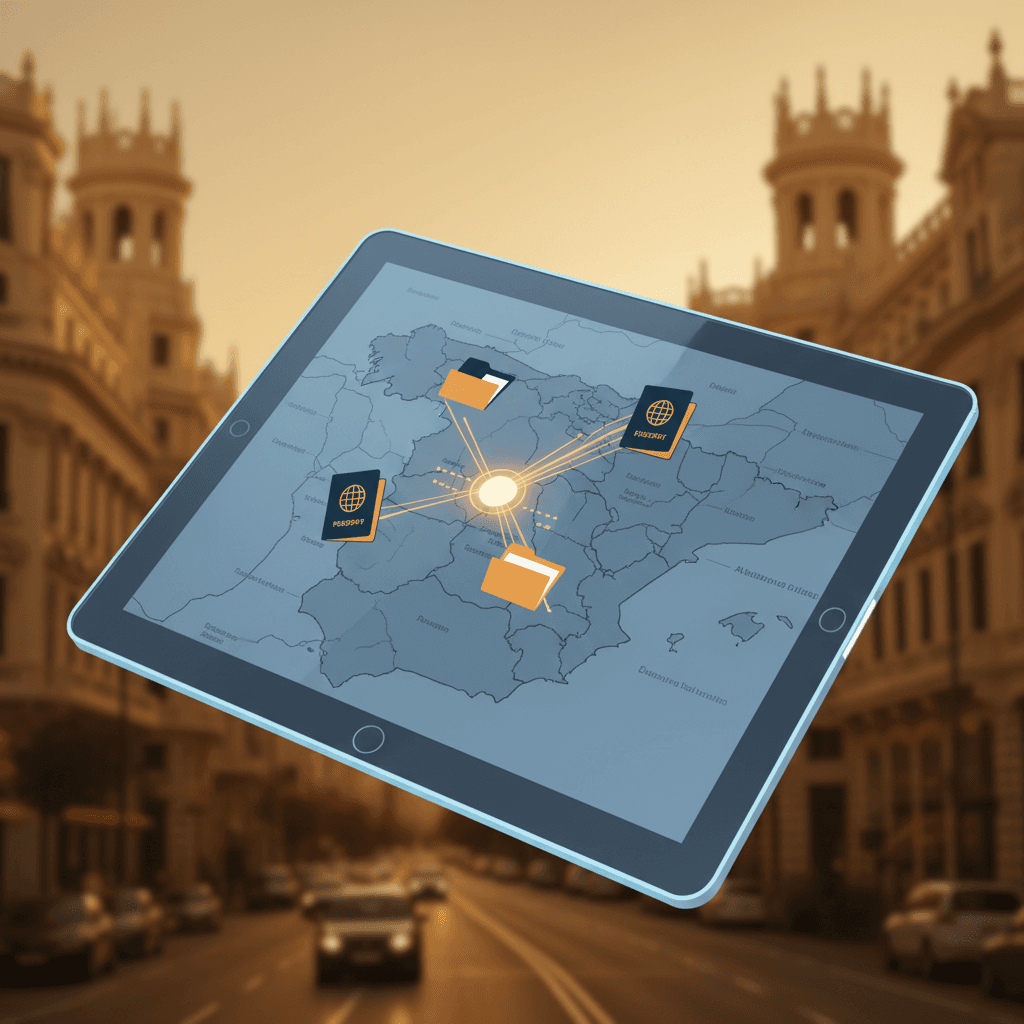
Spain is overhauling its residency and permit processes by moving toward a centralized digital immigration platform. This shift standardizes applications across all provinces, replacing the old fragmented system with a unified online portal. While the rollout is phased, the move aims to cut backlogs and reduce the need for in-person office visits.
A major component of this change is the Electronic Register of Immigration Collaborators. This system allows accredited organizations, such as trade unions and non-profits, to submit residence and work permit applications electronically using certified digital signatures. The government has also hired over 1,200 additional staff to help transition offices from manual processing to digital verification roles.
Who is affected by the changes
These updates directly impact anyone applying for or renewing residency in Spain.
- Digital nomads on the Telework Visa gain access to more streamlined renewal processes and status tracking.
- Expats and foreign workers can now use authorized representatives to handle filings through the new register.
- Irregular migrants present before December 31, 2025, may be eligible for a specific 2026 regularization process integrated into this digital system.
Tourists on short stays under 90 days won't use this platform, but they should prepare for the EU Entry/Exit System (EES) starting April 10, 2026. This separate border update requires biometrics to automatically track the 90/180-day rule.
What you need to do
If you are managing your own residency, you should obtain a digital certificate like Cl@ve to access the direct portals. Most applications, including the digital nomad visa, require online document uploads and real-time tracking.
While the submission process is moving online, keep in mind that in-person appointments are still required for biometric data collection and the final issuance of your TIE card. Application fees generally range from €10 to €80, depending on the specific permit type. Check the latest nomad news to stay informed on which provincial offices have fully migrated to the new electronic system.
Read our full Spain guide for the complete picture.
Frequently asked questions
How is Spain changing its immigration application process?
Can accredited organizations file Spanish residence and work permit applications online?
Do digital nomads on Spain's Telework Visa use the new immigration system?
Do I still need to go in person for Spain residency processing?
What digital tool do I need to access Spain's direct immigration portals?
How much do Spanish immigration application fees cost?
Will tourists staying under 90 days use Spain's new immigration platform?
Stay updated on Spain
Visa changes, travel alerts, and destination news — delivered when they actually matter.