South Korea Updates Immigration Strategy for Skilled Workers

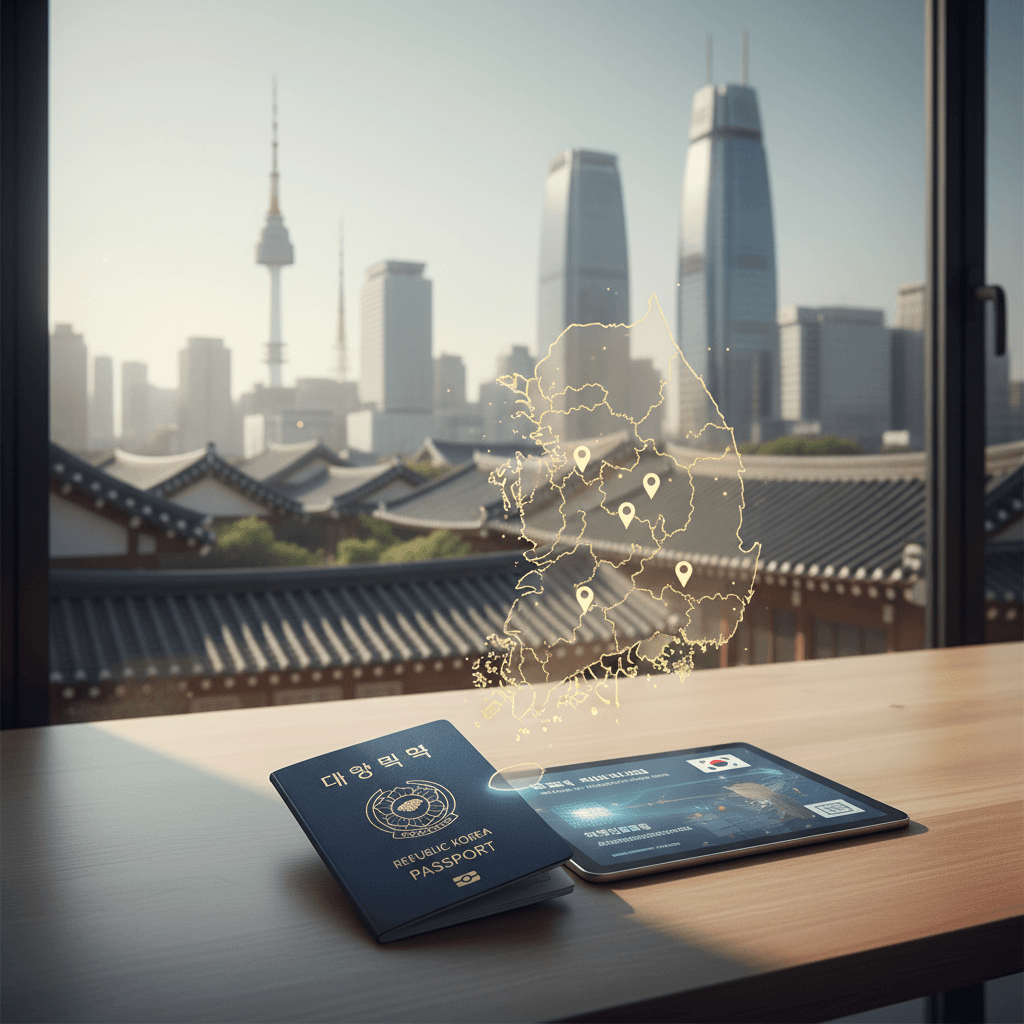
South Korea is overhauling its immigration system to attract global talent through its 2030 Immigration Policy Future Strategy. The government is streamlining 39 different employment visas into a simplified three-tier system focused on high, mid, and low-skilled classifications. This move aims to address labor shortages by expanding pathways for researchers, tech professionals, and vocational graduates.
One of the most significant updates is the expansion of the Top-Tier Visa, which targets experts in advanced industries like science and technology. The government plans to increase the annual quota for this visa to 350 by 2030. Additionally, the new E-7-M (K-CORE) visa pilot program offers a path for vocational college graduates in manufacturing who meet specific language and salary requirements.
Who is impacted
While these updates primarily target high-skilled expats and technical specialists, they signal a broader shift toward a more digital-friendly immigration infrastructure. Digital nomads may benefit from the modernized HiKorea and Visa Portal systems, though specific remote work visa rules remain separate from this skilled worker push.
The strategy also focuses on 89 depopulated regional areas. Foreigners willing to settle in these zones can access specialized support packages, including job placement services, integration education, and childcare assistance.
How to prepare
If you are looking to transition from nomadic life to long-term residency in South Korea, keep these requirements in mind:
- For the E-7-M visa, you generally need a TOPIK Level 5 or KIIP Level 4 proficiency, along with a job contract meeting the 26 million KRW (~$19,000 USD) salary floor.
- Applications are processed through the official government portals, and candidates for regional programs must commit to living in designated areas.
- Keep an eye on nomad news for further updates as the phased rollout continues through the end of the decade.
Read our full South Korea guide for the complete picture.
Frequently asked questions
What is South Korea changing in its immigration strategy?
What is the Top-Tier Visa in South Korea?
Who can apply for the E-7-M visa in South Korea?
Are there special residency options for foreign workers in regional areas of South Korea?
Do South Korea's new immigration updates include remote work visa rules for digital nomads?
Stay updated on South Korea
Visa changes, travel alerts, and destination news — delivered when they actually matter.