Saudi Arabia opens freehold property access for foreigners starting Jan. 22

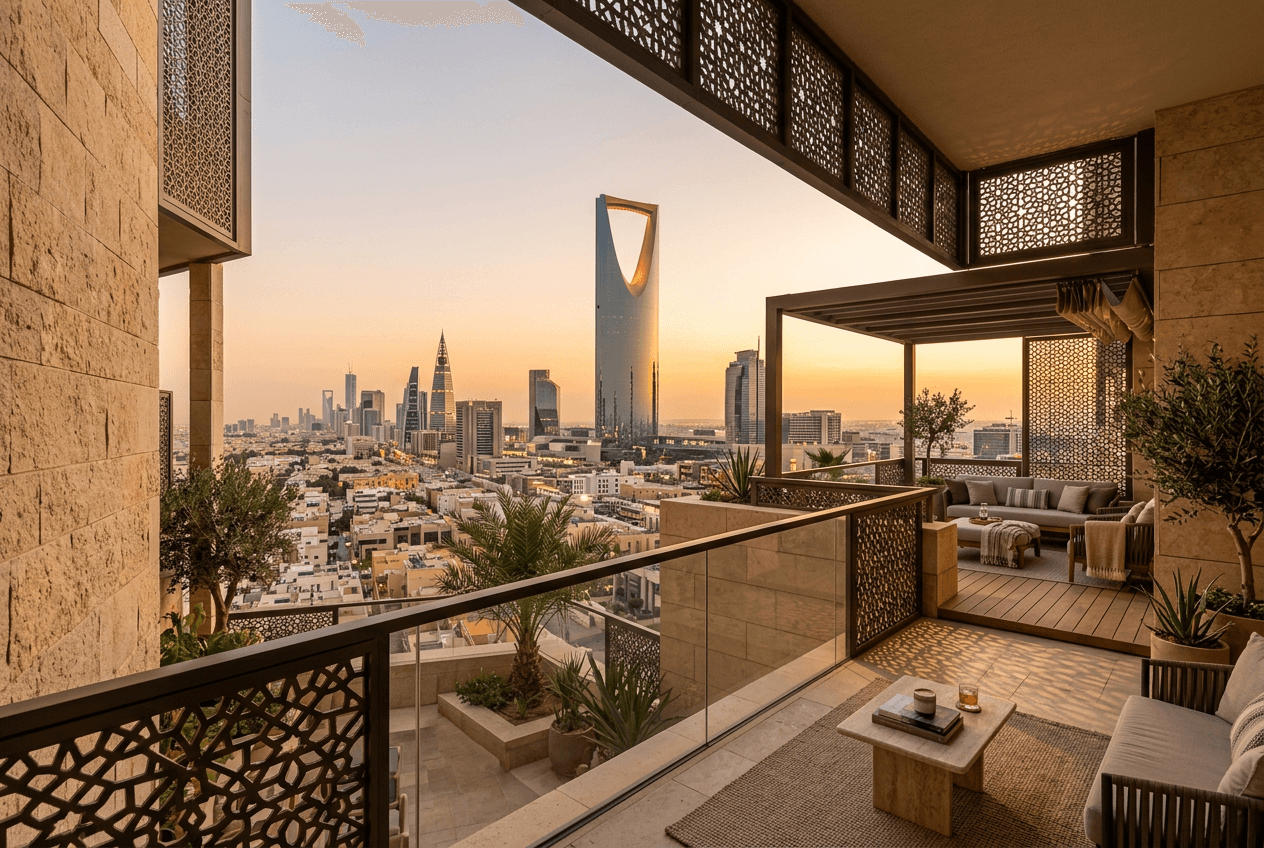
Freehold access opens in set zones
Saudi Arabia’s Law on Real Estate Ownership by Non-Saudis now lets foreigners own freehold property in designated areas, with the reform taking effect on Jan. 21, 2026 and rollout starting Jan. 22. It replaces the old 2000-era restrictions and applies to residents, non-residents, companies, nonprofits, international missions and Saudi firms with foreign shareholders.
The law covers ownership and other in-rem rights, including usufruct, in mapped zones that include parts of Riyadh and Jeddah. Property in Makkah and Madinah stays tightly limited to Muslims and fully Saudi-owned companies. The exact geographic limits are still due in an executive zones document, with more detail expected in Q1 2026, according to the Real Estate General Authority.
Who can use it
Expats with an Iqama can apply directly, which gives long-term residents a clear route into the market. Non-residents can also qualify, though tourists still can’t buy property. Foreign companies can enter projects tied to mega-developments such as NEOM and the Red Sea.
The rules matter most for people who want more stable housing or a longer-term base in the kingdom. Saudi firms with foreign shareholders can also hold property in the approved zones, while ownership in the holy cities remains restricted.
How the process works
Applications run through the official Saudi Properties portal at saudiproperties.rega.gov.sa. Residents are verified through their Iqama, non-residents need a digital ID from Saudi embassies and companies register through Invest Saudi to get a Unified Number or 700.
Fees can reach 10% of a property’s value, including a 5% disposition tax and up to another 5% in additional charges. Violations can bring fines of up to SAR 10 million or a forced auction, so buyers should check the zone map before they move money. Read our full Saudi Arabia guide for the complete picture.
Frequently asked questions
When does Saudi Arabia's freehold property reform take effect for foreigners?
Where can foreigners buy property in Saudi Arabia?
Can expats with an Iqama buy property in Saudi Arabia?
Can non-residents buy property in Saudi Arabia?
Can tourists buy property in Saudi Arabia?
Can foreigners buy property in Makkah and Madinah?
How do you apply to buy property in Saudi Arabia as a foreigner?
Stay updated on Saudi Arabia
Visa changes, travel alerts, and destination news — delivered when they actually matter.