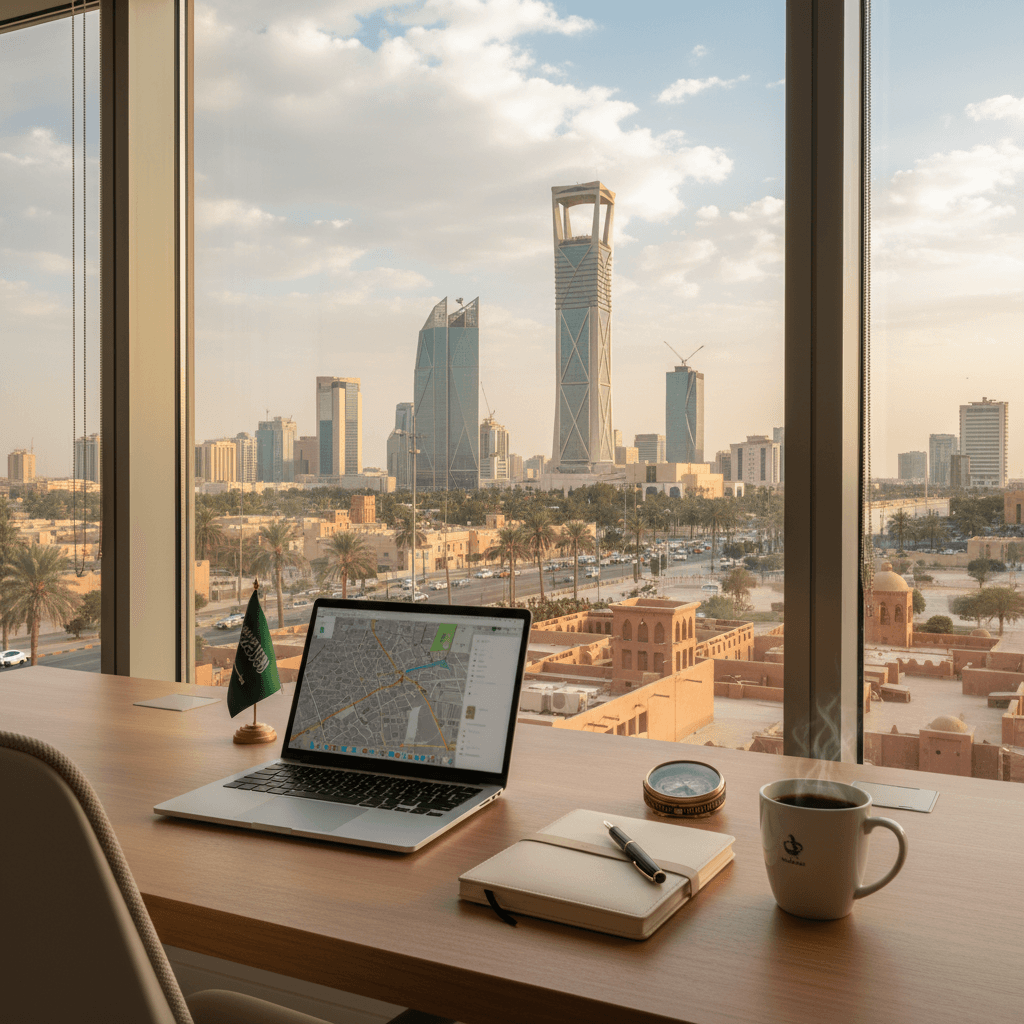
Saudi Arabia landscape
⛵Smooth Sailing
🇸🇦

Saudi Arabia

Complete Digital Nomad Guide

Brandon Richards
Brandon Richards ·

Policy Stability

Stamped Nomad Exclusive
8/10Stable

How likely visa and immigration policies are to remain unchanged

Quick Facts

Nomad Visa Cost

N/A

Max Stay

3 months

Renewable

No

Cost of Living

$1,500/mo

Avg Internet

100 Mbps

Safety Score

8/10

Healthcare

Medium

Coworking

High

English Friendly

High

Time Zones

AST (UTC+3)

Entry Methods Available

Visa FreeVisa on ArrivalE-Visa

Best For

luxurycitysolo

The Digital Nomad Entry Strategy

Saudi Arabia has undergone a massive shift in how it handles visitors. What used to be a closed door is now one of the most streamlined entry processes in the Middle East. For most digital nomads, the path into the Kingdom is paved with the tourist eVisa, but there are several nuances depending on your passport and how long you plan to stay.

The Tourist eVisa: Your Primary Gateway

If you hold a passport from one of the 66 eligible countries, including the US, UK, Canada, and most of the EU, the tourist eVisa is your best friend. It is a multiple-entry visa valid for one full year. You can stay for up to 90 days at a time, which is perfect for a three-month stint working from a cafe in Riyadh or a beachfront spot in Jeddah.

The application is entirely digital and usually takes minutes to complete. The cost sits around SAR 535 (roughly USD 142), and that price includes mandatory health insurance that covers you while you are in the country. Keep in mind that these eVisas cannot be extended; once your 90 days are up, you need to exit the country. You can, however, return shortly after to start a new 90-day period within that same year.

Visa on Arrival and Special Exemptions

If you prefer not to plan ahead, visa on arrival is available at major international airports like Riyadh, Jeddah, and Dammam for the same 66 countries. There is also a clever workaround for those who do not hold a "strong" passport: if you have a valid, used tourist or business visa from the US, UK, or a Schengen country, you are typically eligible for the visa on arrival or the eVisa regardless of your nationality.

Regional travelers have it even easier. Citizens of GCC countries (UAE, Bahrain, Kuwait, Oman, and Qatar) can enter Saudi Arabia visa-free with just a national ID card. This makes the Kingdom a popular "hop-over" destination for nomads already based in Dubai or Doha.

Business and Work Options

For those coming for more than just sightseeing and casual remote work, the Business Visa is the standard. This requires an invitation from a Saudi entity. It allows for meetings and negotiations but is not a substitute for a full work permit. If you are looking to plant deeper roots, the Premium Residency program offers long-term options for investors and high-level talent, though the financial requirements are significantly higher than a standard visit.

  • Transit Visa: This is a great "taster" option. It is valid for 96 hours and is free of charge, allowing you to stop over for a few days to see if the vibe suits your workflow.
  • Family and Personal Visit Visas: These are handled through the Ministry of Foreign Affairs portal and can be issued for 3 to 12 months depending on the invitation.
  • Umrah: You can now perform Umrah on any visa type, including the tourist eVisa, making it easier to balance spiritual goals with your work schedule.

Extensions and Overstays

While the tourist eVisa is strictly non-extendable, other types of visit visas can be extended through the Absher or Jawazat platforms. You should start this process when you have less than a week remaining on your current stay. The extension fee is generally SAR 100 (about USD 27). Do not let your visa expire before taking action; the fine for an overstay starts at SAR 500 and can lead to complications with future entry.

What is Changing in 2025 and 2026

The landscape is shifting rapidly. By 2026, a unified GCC tourist visa is expected to launch, which would allow you to travel between Saudi Arabia and its neighbors on a single permit. The government is also rolling out a "Visa by Profile" system in 2026 to further automate the process.

Labor laws are also seeing a massive overhaul. The old Kafala system is being phased out to allow for better worker mobility, and new skill-based work visas are slated for July 2025. Always check the official government portals before booking your flight, as these policies move fast to accommodate the growing number of international professionals entering the country.

Source 1 | Source 2

The Reality of Remote Work in the Kingdom

If you are looking for a specific "Digital Nomad Visa" in Saudi Arabia, you won't find one by that name. Unlike some of its neighbors, Saudi Arabia hasn't launched a dedicated remote work permit yet. Instead, the government uses the Premium Residency program to attract high-earning professionals and entrepreneurs who want to make the Kingdom their base.

This program is a heavy hitter. It is designed for people who want to skip the traditional "Kafeel" sponsorship system and have the freedom to move, live, and own property independently. While it is more expensive than your average nomad visa, it offers a level of stability and rights that a standard tourist visa cannot match.

Breaking Down the Premium Residency Options

The Premium Residency system isn't a one-size-fits-all deal. It is split into several tracks, but most digital nomads will look at the Limited Duration or Unlimited Duration options. Here is how the costs and timelines stack up:

  • Limited Duration Residency: This costs SAR 100,000 (roughly $26,700 USD) per year. It is a renewable permit that gives you the right to live and work without a local employer.
  • Unlimited Duration Residency: For those planning a permanent move, this requires a one-time fee of SAR 800,000 (approximately $213,340 USD). It grants permanent residency for life.
  • Special Talent & Entrepreneur Tracks: If you have a unique skill set or a registered startup, you might qualify for specialized tracks with different fee structures, often focused on your professional output rather than a flat residency fee.

Regardless of the track, you have to prove you are financially solvent. The government wants to see a stable income and a clean criminal record before they hand over the keys to the Kingdom.

The Application Process

The entire process happens online through the official Premium Residency portal. You don't need to visit an embassy to get the ball rolling. Here is the typical flow for an applicant:

  • Register a secure account and pick the residency track that fits your lifestyle.
  • Upload your valid passport, medical reports, and proof of financial status.
  • Pay the application and residency fees through the portal.
  • Secure a local health insurance policy.
  • Wait for electronic approval, which usually takes between 1 and 3 months.

Taxes and Local Regulations

Working from a coffee shop in Riyadh or a beachfront spot in Jeddah is great, but you need to keep an eye on the tax man. If you are earning money from outside Saudi Arabia, your tax liability can be complex. Generally, Saudi Arabia does not tax personal income for employees, but if you are running a business or working as a freelancer, you should talk to a tax professional about your specific setup.

One of the biggest perks of this residency is the freedom it provides. You can own property, switch jobs, or start a business without needing permission from a sponsor. You are essentially your own boss in the eyes of the law.

Alternative: The Tourist eVisa

If the $26,700 price tag for Premium Residency feels too steep, many nomads start with the Tourist eVisa. This is a one-year, multiple-entry visa that allows you to stay for up to 90 days at a time. It is much cheaper and takes minutes to get online.

The catch? You aren't legally allowed to "work" for a Saudi company on this visa. While many people use it to scout the country or work quietly on their laptops for overseas clients, it doesn't offer any long-term residency rights or the ability to open a local bank account easily. Use this as your "test drive" before committing to a more permanent residency track.

Source 1 | Source 2

The Modern Gateway to the Kingdom

Saudi Arabia has undergone a massive shift in how it welcomes the world. What used to be a complex bureaucratic hurdle is now one of the most streamlined entry systems in the Middle East. For digital nomads, this means the Kingdom is finally a viable base for a few months of desert sun and high-tech city living.

Most travelers will interact with the eVisa system or Visa on Arrival. These options are designed for tourists and remote workers who don't need local employment. If you are a citizen of a GCC country like the UAE or Qatar, you can skip the paperwork entirely and enter with just your national ID for an unlimited stay.

The eVisa: Your Best Bet

The eVisa is the gold standard for anyone planning a nomadic stint in Riyadh or Jeddah. It is a multiple-entry visa valid for one full year. While the visa lasts a year, you can stay for up to 90 days per visit, with a maximum of 180 days total within that year.

  • Eligibility: Citizens from 66 countries, including the US, Canada, UK, EU nations, Australia, and Japan.
  • The Process: You apply through the official portal, upload a digital photo, and provide basic passport details. Most people get their approval in minutes, though it can occasionally take a few hours.
  • Requirements: Your passport must be valid for at least six months. The application also includes mandatory health insurance, which is bundled into the total fee.

Visa on Arrival and Special Exemptions

If you prefer to wing it, the Visa on Arrival is available at major airports and seaports. This is open to the same 66 countries eligible for the eVisa, provided you fly with a national carrier like Saudia, Flynas, or Flyadeal. You simply head to a kiosk before immigration and pay with a credit card.

There is also a "backdoor" for those not on the 66-country list. If you hold a valid tourist or business visa from the US, UK, or Schengen area, you can get a Visa on Arrival. The catch is that you must have used that visa at least once to enter the issuing country first. Permanent residents of the US, UK, or EU also qualify under these rules.

Costs and Financial Planning

Budgeting for your entry is straightforward, but the prices can fluctuate based on exchange rates and insurance premiums. You should plan for the following expenses:

  • eVisa/Visa on Arrival: Generally ranges between USD 80 and USD 220. This total includes the visa fee, service fees, and the required medical insurance.
  • Visa Extensions: Usually SAR 100 for a basic visit extension, though some specific types can run up to SAR 500.
  • Overstay Fines: These are steep. First-time offenders face SAR 15,000, which can climb to SAR 50,000 for repeated violations.

Staying Legal: Extensions and Overstays

If you fall in love with the Saudi coffee scene and want to stay longer than your initial 90 days, you can attempt an extension through the Absher platform. You should apply when you have less than seven days left on your visa. Don't wait until the last minute, but don't try to do it a month early either.

The government recently introduced a 30-day grace period for those whose visas expire. This allows you to settle your affairs and exit the country without the immediate threat of jail time, though you will still likely face fines. If you overstay significantly, you risk deportation and a permanent ban from re-entering the Kingdom.

Border Runs and the 180-Day Rule

While some nomads try to reset their clocks by crossing the causeway into Bahrain or flying to Dubai for a weekend, keep a close eye on the calendar. The 180-day annual limit is firm. Frequent "border runs" can sometimes lead to extra questions from immigration officers if they suspect you are trying to live in the country permanently without a residency permit. Always have proof of your remote employment and a return ticket handy to show you are a genuine visitor.

Source

The Premium Residency (Golden Visa)

If you have the capital and want to skip the headache of sponsorship, the Premium Residency Program is the gold standard. It’s designed to give you independence, allowing you to own property, switch jobs freely, and even start your own business without a local partner. There are two main financial paths here: a renewable annual permit for 100,000 SAR or a one-time payment of 800,000 SAR for permanent residency.

The program isn't just about writing a check. It’s broken down into specific categories to attract different types of talent. Here is how those pathways break down:

  • Special Talent: Aimed at researchers, healthcare pros, and executives. If you’re a senior leader earning at least 80,000 SAR monthly, this is your lane.
  • Gifted Track: For the creatives and athletes who have won international awards or high-level recognition.
  • Investor & Entrepreneur: These require either a significant capital injection into Saudi companies or a business plan backed by an approved local incubator.
  • Real Estate Owner: You can secure residency by owning residential property worth a specific threshold, provided it’s fully owned and not under a mortgage.

The Freelancer Visa

For the typical digital nomad, the freelancer visa is the most exciting development. It’s a sponsor-free option that targets independent workers in tech, media, and design. You don't need a massive investment or a local boss to qualify. You just need to be at least 18 years old and able to prove your professional eligibility in your specific field.

You’ll need to set up an account on Absher, the kingdom's digital identity platform, to manage your status. This visa effectively bridges the gap between being a tourist and a full-time corporate employee, giving you the legal right to work on projects while enjoying the lifestyle of a resident.

Sponsor-Free Work Visa

Launched recently, this visa is a middle ground for skilled professionals who want to live in Saudi Arabia but don't want to be tied to a single employer. To qualify, you generally need a university degree, at least five years of relevant work experience, and a stable monthly income of at least 10,000 SAR. The approval process is relatively quick, often taking between two weeks and one month.

The Traditional Iqama

If you decide to take a traditional job with a Saudi company, you’ll be issued an Iqama. This is the standard residence permit. While your employer usually handles the heavy lifting, there are specific costs associated with it that you should be aware of, especially if you’re negotiating a contract.

  • Work Visa Fee: A one-time 2,000 SAR fee.
  • Annual Levy: Employers pay 9,600 SAR per year for the work permit.
  • Renewal Fee: The residency itself costs 650 SAR annually to renew.
  • Medical Exam: Expect to pay around 500 SAR for the mandatory health check at an accredited center.

Retirement and Long-Term Planning

Saudi Arabia doesn't have a standalone "retirement visa" in the way some Southeast Asian countries do. If you’re looking to spend your later years here, your best bet is the second tier of the Premium Residency Program. This pathway is specifically tailored for those who can demonstrate financial self-sufficiency without active employment. It provides the same perks as the talent visas, including the ability to use designated airport lanes and recruit domestic help.

The Price of the Kingdom: Budgeting Your Stay

Saudi Arabia is no longer just a destination for oil executives and pilgrims. It has transformed into a high-tech hub for remote workers, but that modernization comes with a price tag. While it isn't as expensive as London or New York, you should expect costs to align more closely with mid-tier European cities. Your biggest variable will be your choice of city; Riyadh is the high-energy, high-cost capital, while Dammam offers a more relaxed pace for your wallet.

Monthly expenses for a single nomad typically fall between SAR 4,000 and SAR 15,000. This range covers everything from a modest studio and local eats to a high-end apartment in a luxury compound with frequent fine dining.

Accommodation: Finding Your Base

Rent will be your most significant outgoing. In Riyadh, the market is fast-moving, particularly in nomad-friendly spots like Al-Nakheel. Jeddah offers a coastal vibe with slightly more breathing room, while Dammam is the most affordable of the "Big Three." Keep in mind that many local rentals are listed annually, so as a nomad, you will likely be looking at serviced apartments or short-term rentals which carry a premium.

  • Riyadh: Budget options start around SAR 2,200, while comfortable mid-range apartments in central areas sit between SAR 3,000 and SAR 4,200. Premium luxury stays can easily exceed SAR 10,000.
  • Jeddah: Expect to pay SAR 2,300 to SAR 3,000 for a basic setup. A comfortable 1BR in Rawdah averages SAR 3,000 to SAR 4,000, with premium spots reaching SAR 5,400.
  • Dammam: This is the value play. Budget studios go for SAR 1,500, mid-range units average SAR 2,500 to SAR 4,000, and even top-tier luxury rarely crosses SAR 6,000.

Fueling Your Workday: Food and Groceries

Eating in Saudi Arabia can be as cheap or as expensive as you want it to be. If you stick to local produce, staples like chicken and rice, and neighborhood "kabsa" joints, you can eat well on SAR 600 to SAR 900 a month. Riyadh and Jeddah have a massive appetite for international brands and imported goods, which can quickly inflate your grocery bill.

A mid-range dinner out will set you back about SAR 75 per person. If you prefer a mix of home cooking and hitting the trendy cafes in the evenings, budget roughly SAR 1,500. For those who live on food delivery apps and high-end sushi, SAR 2,500 is a more realistic ceiling.

Getting Around: Transport and Connectivity

Public transport is expanding, especially with the Riyadh Metro, but most nomads still rely on ridesharing. Careem and Uber are the gold standards here. Gas is incredibly cheap at about SAR 2.3 per liter, so if you plan on staying long-term, renting a car is a viable move. For most, a combination of the occasional bus and frequent rideshares will cost between SAR 300 and SAR 600 monthly.

Coworking and Productivity

You won't find a shortage of high-speed internet, but you will pay for the atmosphere. Professional coworking spaces like Regus or local hubs are plentiful in Riyadh and Jeddah. A hot desk typically starts around SAR 1,000 in smaller cities, but can jump to SAR 2,400 for a prestigious address in the capital. If you just need a place for a few days, day passes usually hover around SAR 250.

Health and Insurance

Having health insurance is a legal requirement for your visa. While many locals are covered by employers, nomads need private international or expat plans. A basic plan covering emergencies and GP visits starts around SAR 300 per month. For a comprehensive plan with low deductibles and access to the best private hospitals, expect to pay closer to SAR 1,000.

The Hub of Ambition: Riyadh

As the heartbeat of Saudi Arabia's Vision 2030, Riyadh is where the kingdom's traditional roots meet a high-octane tech future. It is the undisputed heavyweight for digital nomads who prioritize infrastructure above all else. With more than 86 coworking spaces scattered across the city, you are never more than a short Uber ride away from a professional desk and a reliable connection.

The internet speeds here are the best in the country, often hitting 118 Mbps on fixed lines and a staggering 273 Mbps on mobile networks. You will find a massive cafe culture where the Wi-Fi is strong and the specialty coffee is world-class. While the city lacks a traditional "bar" scene due to local laws, the entertainment districts and late-night lounges offer a high-energy alternative.

  • The Upside: Unrivaled tech infrastructure, the largest nomad community in the country, and endless networking opportunities.
  • The Downside: It is the most expensive city in the Kingdom, the summer heat is intense, and traffic can be a headache.
  • Monthly Budget: Expect to spend between $2,700 and $4,700 depending on your lifestyle and choice of neighborhood.

The Coastal Gateway: Jeddah

Jeddah has a saying: "Jeddah Ghair," which means Jeddah is different. It is generally considered the most relaxed city in Saudi Arabia. Located on the Red Sea, it offers a lifestyle that balances work with world-class diving and waterfront strolls along the Corniche. The vibe is slightly more cosmopolitan and artistic than the capital.

The nomad infrastructure is robust, with modern coworking hubs and a growing community of creative freelancers. While the internet averages around 85 Mbps, it is more than enough for video calls and heavy uploads. The food scene is a major draw, featuring everything from high-end fusion to bustling food trucks.

  • The Upside: More affordable housing than Riyadh, easy access to beaches, and a diverse, welcoming atmosphere.
  • The Downside: High humidity during the summer months and a nomad scene that is still maturing.
  • Monthly Budget: A comfortable life here usually costs between $2,300 and $2,680.

The Industrial Powerhouse: Dammam

Dammam is often overlooked, but it is a sleeper hit for nomads who want a quiet, functional base. It is a clean, safe, and highly efficient city with some of the fastest internet in the region, clocking in at 130 Mbps. It feels less like a tourist destination and more like a place where things get done.

The city offers a great balance of coastal life at Half Moon Bay and a modern urban environment. While the nomad community is smaller here, the low crime rates and high air quality make it an easy place to settle into a productive routine. The nightlife is subdued, focusing mostly on excellent dining and family-oriented entertainment.

  • The Upside: Excellent value for money, incredibly fast internet, and very high safety ratings.
  • The Downside: The city can feel a bit industrial, and the social scene for solo travelers is limited.
  • Monthly Budget: You can live well here on $2,300 to $2,800 per month.

The Budget-Friendly Gem: Al Khobar

If you want the coastal lifestyle of Jeddah but with a much lower price tag, Al Khobar is the answer. Located right next to Dammam, it is known for its beautiful parks, seafood restaurants, and the iconic Corniche. It is rapidly becoming a favorite for nomads who are price-conscious but still want a high quality of life.

Coworking options like Regus are available for around SAR 1,500 per month. While the internet speeds are more modest at 66 Mbps, they are stable and sufficient for most remote work. It is a peaceful city where you can focus on your projects without the distractions or costs of a major global capital.

  • The Upside: The lowest cost of living among major cities, great seafood, and a relaxed, walkable waterfront.
  • The Downside: The smallest nomad community on this list and a more conservative local culture.
  • Monthly Budget: This is the most affordable pick, with costs ranging from $1,000 to $1,800.

Quick Comparison

Riyadh

  • Connectivity: 118-273 Mbps
  • Coworking: High (86+ spaces)
  • Community: Growing and active

Jeddah

  • Connectivity: 85 Mbps
  • Coworking: Medium-High
  • Community: Moderate and artistic

Dammam

  • Connectivity: 130 Mbps
  • Coworking: Growing
  • Community: Small but welcoming

Al Khobar

  • Connectivity: 66 Mbps
  • Coworking: Moderate
  • Community: Emerging

Connectivity and Speed

Saudi Arabia has transformed into a digital powerhouse over the last few years. If you are worried about lag during a Zoom call or slow upload speeds for large files, you can breathe easy. The Kingdom ranks among the top ten globally for mobile speeds, and the fixed broadband isn't far behind. You will find median download speeds hovering around 120 Mbps, though in the heart of Riyadh or Jeddah, hitting 200 Mbps on a fiber connection is common.

Fiber to the Home (FTTH) is the standard in major metropolitan areas. Most apartments and modern compounds come pre-wired with infrastructure from providers like STC or Salam. If you are setting up a home base, expect low latency between 5ms and 15ms, which is perfect for remote desktop applications or gaming in your downtime.

Top Coworking Spaces

The coworking scene is concentrated in Riyadh and Jeddah, catering to a mix of local entrepreneurs and international consultants. You will find that these spaces are often more than just a desk; they are social hubs with high-end amenities and serious networking potential.

Riyadh - Olaya Towers (Servcorp)

  • Hot Desk: SAR 1,040 per month
  • Dedicated Desk: SAR 2,500 per month
  • Private Office: SAR 8,000 per month
  • Highlights: Located in the prestigious financial district with enterprise-grade security and AES encrypted WiFi.

Riyadh - Al Akaria Plaza (Servcorp)

  • Hot Desk: SAR 880 per month
  • Dedicated Desk: SAR 2,500 per month
  • Private Office: SAR 5,000 per month

Jeddah - Kayanspace

  • Options: Flexible daily rates and furnished studios.
  • Highlights: A more creative vibe compared to the corporate towers, perfect for those staying near the Corniche.

The Space (Alia Plaza, Riyadh)

  • Options: Day passes and flexible monthly memberships.
  • Highlights: Great for meeting other nomads and locals in a modern, open-plan environment.

Mobile Data and SIM Cards

Don't rely solely on public WiFi. It is widely available in malls like the Kingdom Center or along the Jeddah Corniche, but it can be spotty when the crowds arrive. Getting a local SIM or eSIM is the first thing you should do after landing.

STC (The Market Leader)

  • Basic eSIM: SAR 195.50 for 30GB
  • Enhanced eSIM: SAR 276 for 50GB+
  • Best for: Reliable 5G coverage if you plan on traveling between cities or into more rural areas.

Virgin Mobile (The Value Choice)

  • Baqah 110: SAR 110 for 25GB
  • Best for: Nomads on a budget who still want the high-quality STC network coverage without the premium price tag.

Zain and Mobily

  • Zain Shabab 149: SAR 149 for 30GB
  • Mobily MySim 99: SAR 99 for 15GB
  • Best for: Urban users who stay within city limits where signal strength is consistently high.

Setting Up Home Internet

If you are signing a short-term lease on an apartment, check which fiber provider services the building. Most contracts are straightforward, but some offer better "no-contract" terms for nomads.

  • Salam Fiber 300: SAR 290 per month for 300 Mbps. This is a popular choice because they offer prepaid options without long-term commitments.
  • Mobily Home Fiber 500: SAR 322 per month. Great for heavy users who need maximum bandwidth for video editing or streaming.
  • STC Baity: SAR 460 per month for 250 Mbps. This usually includes entertainment packages and TV services if you want a full home setup.

For those just passing through for a week or two, Airalo offers local eSIM data plans ranging from SAR 7 to SAR 58. These are convenient but generally offer much less data than the local "Tourist SIMs" you can pick up at the airport for about SAR 70 to SAR 150.

The Healthcare Landscape: Public vs. Private

Saudi Arabia has invested billions into its healthcare infrastructure, creating a system that rivals many Western nations in terms of technology and facility quality. While the Ministry of Health operates a robust public system, it is primarily designed for Saudi citizens. As a digital nomad or expat, you will find yourself almost exclusively using the private sector.

Public hospitals are high quality and provide free care to locals, but foreigners generally only access them for life-threatening emergencies. For everything else, the private sector is the standard. Private facilities offer shorter wait times, a higher concentration of English-speaking staff, and a service-oriented approach that feels more like a premium hotel than a clinic. You will find JCI-accredited hospitals in every major hub, ensuring international standards of hygiene and medical practice.

Top-Tier International Hospitals

If you are based in the major cities, you have access to some of the best medical care in the Middle East. These facilities often feature European or North American-trained doctors and high-end amenities like VIP suites.

  • King Faisal Specialist Hospital & Research Centre: Located in Riyadh and Jeddah, this is the gold standard for complex issues like oncology or specialized surgery.
  • Dr. Sulaiman Al Habib Medical Group: A favorite for expats in Riyadh and Jeddah due to their streamlined digital systems and high efficiency.
  • Saudi German Hospitals: A massive network across multiple cities known for international expertise and multilingual staff.
  • Mouwasat Hospitals: The primary choice for those based in the Eastern Province, including Dammam and Al Khobar.

Insurance Requirements and Options

Health insurance is not just a suggestion in Saudi Arabia; it is a legal requirement. You cannot secure or renew a residency permit (Iqama) without it, and even those on the newer tourist or remote work visas are required to have coverage. Most traditional expats have insurance provided by their employers, but if you are arriving as a true freelancer, you will need to purchase a policy yourself.

Local providers like Bupa Arabia and Tawuniya are common, but many nomads prefer international portable policies from companies like Allianz or Cigna Global. These plans ensure you are covered if you decide to hop over to Dubai or head back to Europe for a month. Expect to pay between SAR 3,000 and SAR 5,000 annually for a basic plan. If you want comprehensive coverage that includes maternity, dental, and chronic condition management, premiums can easily exceed SAR 7,500 per year.

Out-of-Pocket Costs

If you find yourself paying upfront before your insurance reimbursement kicks in, the costs are relatively predictable. While cheaper than the United States, private care in Saudi Arabia is not "budget" by global standards. Here is what you can expect to see on your bill:

  • GP Consultation: SAR 170 to SAR 340 ($45–$90)
  • Specialist Visit: SAR 400 to SAR 1,000
  • Overnight Hospital Stay: SAR 1,700 to SAR 3,400 ($450–$900)
  • Major Surgery (e.g., Appendectomy): SAR 17,000 to SAR 32,000 ($4,500–$8,500)

Pharmacies and Prescriptions

You will see pharmacies everywhere. Massive chains like Al Nahdi and Al-Dawaa are the most common, and many stay open 24/7, especially those located near major hospitals. They are well-stocked with both prescription and over-the-counter medications.

Saudi Arabia uses a digital system called Wasfaty, which links your doctor’s prescription directly to the pharmacy. If you take regular medication, bring your home country prescriptions and a doctor's letter. While most common drugs are easy to find, "controlled" medications like certain painkillers or psychiatric meds require a local doctor’s evaluation and your official ID to dispense.

Emergency Situations

In a crisis, the unified emergency number is 911. You can also call 997 for an ambulance or 937 for the Ministry of Health’s general hotline. Saudi law dictates that all hospitals must stabilize a patient in a life-threatening emergency regardless of their insurance status or ability to pay. However, once you are stable, a private hospital will ask for your insurance details or a credit card, or they may arrange a transfer to a public facility if you are uninsured.

For minor emergencies that still require immediate attention, heading directly to a private ER is usually the fastest route. They are accustomed to dealing with foreigners and will handle the direct billing with your insurance provider on the spot.

The Banking Reality for Nomads

Saudi Arabia is rapidly digitizing, but its traditional banking sector remains closely tied to residency status. If you are entering the country on a standard tourist or visit visa, opening a local bank account is generally off the table. Local regulations require an Iqama (residency permit) to access standard checking and savings accounts.

For those planning a long-term stay via a work premium residency or a business investment permit, the process is surprisingly slick. Banks like SNB (Saudi National Bank), Al Rajhi, and Alinma allow you to open accounts through their mobile apps. This is made possible by the Absher and Nafath digital identity systems, which verify your data in real-time. If you have your residency sorted, you can often have a functioning account in minutes.

Requirements for Residents

If you do qualify for an account, you will need to have your documentation ready for the digital onboarding process or a branch visit. Most banks require the following:

  • A valid Iqama with at least six months of validity remaining.
  • Your original passport and visa details.
  • A National Address registration or a recent utility bill.
  • An employment letter or certificate of salary.
  • A Saudi mobile number linked to your Absher account.

Non-residents can only bypass these rules if they are classified as Qualified Foreign Investors (QFIs), which usually requires managing at least $500 million in assets, or by obtaining a specific investment license through MISA.

ATMs and Local Currency

The Saudi Riyal (SAR) is the land's currency, and it is pegged to the US Dollar at a rate of 3.75 SAR. While high-end hotels might occasionally quote prices in Dollars, you will need Riyals for almost everything else. Cash is still useful for small souq purchases or tipping, though card acceptance is nearly universal in cities.

The good news for nomads is that most Saudi ATMs, including those operated by Al Rajhi and SNB, do not charge local access fees for foreign cards. You will likely only pay what your home bank charges for currency conversion. Withdrawal limits typically range between 2,000 and 5,000 SAR per transaction.

Digital Wallets and Transfers

Since local accounts are hard to get, most nomads rely on international fintech or local digital wallets. Revolut cards work seamlessly at point-of-sale terminals and ATMs, though you should keep an eye on your plan's monthly "fair usage" limits to avoid extra fees. Wise is particularly effective here because of its partnership with Saudi Awwal Bank (SAB), which makes sending money into or out of the country fast and affordable.

For those with local residency, STC Pay is the gold standard for daily life. It functions as a digital wallet that allows for instant peer-to-peer transfers, bill payments, and international remittances through Western Union integration. Other solid options for moving money include:

  • Tahweel Al Rajhi: Great for competitive exchange rates on international transfers.
  • SNB Quickpay: A dedicated service for fast, low-cost remittances.
  • Ersal: A reliable cross-border money transfer service found throughout the Kingdom.

A Note on Crypto

If you thrive on trading or paying for coffee with Bitcoin, Saudi Arabia will be a challenge. The Saudi Central Bank (SAMA) issued a ban on trading and using cryptocurrencies back in 2018. There are no licensed crypto exchanges operating within the country, and using digital assets for local payments is prohibited. While some blockchain projects exist at a government level, retail crypto access remains restricted and high-risk for individuals onshore.

Dependent Visa Basics

Moving your family to Saudi Arabia is a straightforward process if you meet the baseline requirements. To sponsor your spouse and children, you need a valid permanent Iqama and a profession that qualifies for sponsorship. Generally, you should earn a minimum salary of SAR 4,000 per month and have proof of suitable housing, typically a three-bedroom setup for larger families.

The paperwork involves submitting attested marriage and birth certificates translated into Arabic. You will also need to handle medical exams and pay a monthly dependent levy, which is currently SAR 400 per person. While sons are generally sponsored until they are 18, unmarried daughters can often remain on your sponsorship much longer depending on your specific professional status.

Education and International Schools

The kingdom has a robust network of international schools, particularly in the major hubs. You can choose between American, British, or International Baccalaureate (IB) curricula. Costs vary significantly based on the city and the grade level of your children. In Riyadh, you might see annual tuition ranging from SAR 18,000 to SAR 120,000. In cities like Jeddah or Dammam, prices are often slightly lower, sitting between SAR 12,000 and SAR 75,000.

  • Kindergarten: SAR 13,000 to SAR 35,000 annually.
  • High School: SAR 30,000 to SAR 85,000 annually.
  • Registration Fees: One-time costs between SAR 1,500 and SAR 15,000.
  • Transportation: School bus services typically cost SAR 8,000 to SAR 15,000 per year.

Healthcare for the Little Ones

Your children will access healthcare as dependents on your employer-provided insurance policy. This is a legal requirement and covers everything from routine pediatric visits and mandatory vaccinations to emergency care. While public facilities are top-tier, most expats prefer private clinics because they offer shorter wait times and English-speaking staff.

There are over 34 insurance providers in the country. It is a good idea to verify that your specific plan includes dental and vision, as these aren't always standard for dependents. Private pediatric emergencies are available 24/7, giving you peace of mind if a fever spikes in the middle of the night.

Where to Live

Choosing the right city changes the family dynamic. Riyadh is the professional heart of the country, offering elite schools and high-end compounds in northern districts like Al Narjis. Jeddah provides a more relaxed coastal vibe with competitive schooling options and plenty of weekend activities by the Red Sea.

The Eastern Province, specifically Al Khobar and Dammam, is a favorite for many nomad families. These cities offer a great balance of expat-heavy compounds, lower costs of living compared to the capital, and beautiful waterfront areas like the Khobar Corniche for evening strolls.

Childcare and Daycare Costs

If you need childcare for younger toddlers, private daycares in the major cities are professional and often bilingual. Monthly rates in Riyadh or Jeddah usually fall between SAR 1,500 and SAR 4,000. Some high-end nurseries, like those found in the KAUST community or Bedayaat, offer full-day packages that can reach SAR 3,750 monthly or SAR 36,000 for a full year.

  • Private Daycare: SAR 1,500 to SAR 4,000 per month.
  • Community Options: SAR 800 to SAR 1,500 per month.
  • Rural/Suburban Areas: SAR 1,000 to SAR 2,500 per month.

Safety and Security

Saudi Arabia is consistently ranked as one of the safest places for families globally. Crime rates are exceptionally low, and there are strict laws in place for child protection. Most expats choose to live in gated compounds which add an extra layer of security and provide a neighborhood feel where kids can bike around freely. The National Family Safety Program also ensures a high standard of protection and support for all residents.

Street Safety and Daily Security

Saudi Arabia consistently ranks among the safest countries in the world. In recent global safety indices, it outperformed many European nations, securing a top spot within the G20. Violent crime is virtually nonexistent in daily life, and you will likely feel comfortable walking alone at night in major cities like Riyadh or Jeddah.

While street crime is rare, petty theft can happen in dense markets or busy transit hubs. The most significant safety risk you will face isn't criminal; it is the traffic. Road safety is a challenge, with high speeds and unpredictable lane changes being common. If you are driving or crossing the street, stay alert and don't assume drivers will yield.

Digital Scams and Protection

As a digital nomad, your primary threats are virtual. Be cautious of several common schemes targeting the expat community:

  • Phishing and SMS Fraud: You might receive messages claiming your bank account (often mentioning Al Rajhi or SNB) is suspended. Never share your One-Time Password (OTP) or login credentials with anyone over the phone.
  • Fake Rental Listings: Scammers often post attractive apartments on platforms like Haraj or OLX. Avoid sending security deposits via wire transfer before seeing a property in person.
  • Investment Scams: Be wary of social media ads promising high returns on cryptocurrency or "exclusive" Saudi investment opportunities.

If you encounter suspicious activity, use the Kollona Amn app. It is the official government tool for reporting crimes and is very effective.

Cultural Etiquette and Social Norms

Saudi culture is rooted in hospitality, but it is also deeply conservative. Respecting local customs will make your stay much smoother. When greeting people, a simple "Assalamu alaikum" goes a long way. Use formal titles like Ustadh for men and Ustadha for women until you are on a first-name basis.

The dress code has relaxed significantly, but modesty is still the standard. Women do not need to wear the abaya, but it is best to wear loose clothing that covers the shoulders and knees. Men should avoid wearing tank tops or very short shorts in public spaces.

During the month of Ramadan, the pace of life shifts. Avoid eating, drinking, or smoking in public during daylight hours. Most cafes and restaurants will be closed during the day but will stay open until the early hours of the morning.

LGBTQ+ Considerations

The legal environment for LGBTQ+ individuals is restrictive. Homosexuality remains illegal, and there are no specific legal protections in place. While the Saudi Tourism Authority has stated that all visitors are welcome, discretion is a necessity. Public displays of affection are discouraged for everyone, but for LGBTQ+ travelers, maintaining a low profile regarding orientation and identity is the safest approach to avoid legal complications or social friction.

Language and Communication

English is the lingua franca of the business world and the expat bubble. You can easily manage daily life in Riyadh or Al Khobar without knowing Arabic. However, learning a few phrases like Shukran (thank you) or Min Fadlak (please) is a sign of respect that locals appreciate.

Saudis often use indirect communication. You might hear the phrase In sha' Allah (God willing) frequently. It can mean "yes," but it can also be a polite way to say "maybe" or "we will see." Patience is a virtue here; building a relationship often comes before getting down to business.

Building a Social Circle

Integration is easier than it looks. The expat community is massive and very active on platforms like InterNations and Meetup. For the most current info, look for localized WhatsApp and Telegram groups, such as those for "Expats in Riyadh."

  • Coffee Culture: Modern specialty cafes act as the new social hubs. They are perfect for networking or meeting other remote workers.
  • Co-working Spaces: These are booming in the major cities and are the best places to bridge the gap between the expat and local tech scenes.
  • Hobby Groups: Look for running clubs or photography workshops on Instagram to meet people outside of a work context.

A Note for Women Nomads

Solo female travelers generally find Saudi Arabia to be very safe and respectful. You will likely find that people go out of their way to be helpful. For transportation, stick to ride-hailing apps like Careem or Uber rather than hailing random taxis on the street. Careem even offers options for female drivers in certain regions, providing an extra layer of comfort for those who prefer it.

The Zero Percent Advantage

Saudi Arabia is quickly becoming a top-tier destination for digital nomads, primarily because the tax math is incredibly simple. The Kingdom does not impose personal income tax on individuals. If you are living there while working for a company back home or running a freelance business with foreign clients, your take-home pay stays exactly as it is. There are no sneaky brackets or sliding scales to worry about when it comes to your salary.

While the 0% tax rate is the headline, you still need to understand how the system classifies you. Most nomads enter on the remote work visa, which allows you to enjoy the local infrastructure without being sucked into the local tax net. As long as your money is coming from outside the borders, the government generally leaves your wallet alone.

Establishing Tax Residency

Even though there is no personal income tax, you might still technically become a tax resident based on how long you stay. This usually happens in one of two ways. First, if you spend 183 days or more in the country during a single calendar year, you are considered a resident. This applies whether those days are consecutive or spread out over several trips.

The second trigger is a bit shorter. If you have a "permanent place of residence," such as a long-term apartment lease of at least one year, and you spend at least 30 days in the country, you hit residency status. For most nomads, this classification is just a formality, but it is helpful if you need to prove to your home country that you are no longer a tax resident there.

Business Income vs. Employment Income

The rules change slightly if you decide to start a local business or provide services to Saudi companies. While employment income is untaxed, non-employment income that looks like a commercial business can be subject to a 20% corporate tax rate.

  • Remote Salaries: Always 0% tax.
  • Foreign Freelance Clients: Generally 0% tax.
  • Local Saudi Business: Potentially 20% on profits.
  • Social Insurance: Usually 9% to 10%, though this typically applies to formal employees of Saudi entities.

Crypto and Capital Gains

If you trade Bitcoin or hold a portfolio of stocks, the Kingdom is a very friendly place to be. There is currently no personal capital gains tax. This means any profit you make from selling crypto or traditional investments is yours to keep in full.

The only time the authorities might take a look is if your trading volume is so high that it is classified as a professional business activity rather than personal investing. In that specific case, the corporate tax rate might apply. For the average nomad holding or occasionally trading, the tax bill remains at zero. Just keep in mind that while the gains aren't taxed, any exchange fees you pay locally might include a 15% VAT.

Paperwork and Reporting

Since there is no personal income tax, most digital nomads never have to file an annual tax return. It is one of the few places where "tax season" isn't a stressful time of year. However, if you do hit the residency triggers, you should register for a Tax ID through the ZATCA portal. This is particularly useful if you need a Tax Residency Certificate to stop your home country from taxing your income while you are abroad.

If you are involved in any business activities that require VAT registration, you will need to get familiar with the Fatoora system for e-invoicing. For everyone else, the main task is simply keeping track of your days in the country to know where you stand. Saudi Arabia has signed over 50 double taxation treaties with countries like the UK, France, and the UAE, ensuring you aren't stuck paying twice on the same dollar.

Key Takeaways for Nomads

  • Tax Year: Runs from January 1 to December 31.
  • Residency Trigger: 183 days of physical presence.
  • Filing Deadline: Within 120 days of the year-end (only if you have taxable business income).
  • VAT Rate: 15% on most local goods and services.

Getting Connected

Internet is your lifeline as a nomad, so don't leave the airport without a plan. If your phone supports it, BitJoy is the smoothest move for an eSIM. You can activate it instantly without standing in line or showing your passport, with plans ranging from SAR 30 to SAR 150.

If you prefer a physical SIM, head to the STC, Mobily, or Zain kiosks in the arrivals hall. STC generally has the best coverage across the desert, offering deals like 70GB for SAR 150. Mobily and Zain are often cheaper for smaller data buckets, like 15GB for under SAR 80. Just remember you will need your passport for registration if you go the physical route.

Moving Around the Kingdom

Public transport is improving but ride-hailing is still king. Careem and Uber are the most reliable options in Riyadh and Jeddah. Careem is particularly popular because it allows you to rack up rewards points and often has better local map integration.

  • Bolt and DiDi: Great for saving a few riyals on shorter cross-town trips.
  • Kayan and Waslni: Local alternatives that sometimes have better availability during peak hours.
  • SAPTCO: Download this app if you plan on taking high-quality inter-city buses between regions.

Where to Set Up Base

In Riyadh, Al Olaya is the heartbeat of the city. It is packed with skyscrapers, high-end malls, and the best concentration of coworking spaces. If you want something a bit more relaxed with green space, Al Malaz offers a nice balance of culture and parks.

Jeddah has a different energy. Al-Hamra is the go-to for expats because it is right near the Corniche and museum district. For a modern, coastal vibe, Al-Shati puts you near the Red Sea Mall and plenty of beachside cafes. If you want trendy dining and a quieter atmosphere, look at Rawdah or Al-Zahra.

Finding a Home

Airbnb is the most straightforward platform for nomads. It specializes in furnished apartments that include Wi-Fi and utilities in the price, which saves you the headache of setting up local contracts. Expect to pay a premium for "nomad-ready" spots in central Riyadh.

For longer stays, check out Flatio or Nomad Stays. These platforms often list apartments that don't require heavy deposits and are specifically vetted for remote workers. Always message the host first to verify the Wi-Fi speed before you hit the book button.

Food and Daily Life

You will likely become best friends with HungerStation. It is the dominant delivery app with over 55,000 restaurants and grocery stores on the platform. It covers everything from local Kabsa to international chains.

  • Jahez: A Saudi-born favorite that often features exclusive partnerships with top-tier local chefs.
  • Mrsool: This is a "personal shopper" app. You can chat with the courier to negotiate delivery fees for almost anything, from a specific pharmacy item to a forgotten charger.
  • Arabius: Skip the generic apps like Duolingo. This app focuses on the Saudi dialect specifically, which is much more useful for chatting with locals in the markets.

Safety and Emergencies

Saudi Arabia is remarkably safe, but keep these numbers in your phone just in case. 911 or 999 are the general emergency lines for police. If you are involved in a fender bender, call 993 for traffic accidents. For medical emergencies, 997 gets you an ambulance.

Avoiding Common Pitfalls

The biggest mistake nomads make is waiting for fiber internet. Residential fiber can take weeks to install. Instead, grab a 5G pocket router on your first day to ensure you never miss a meeting. Also, make sure you have your digital backups ready, like authenticator apps and bank statements, before you arrive.

Socially, keep things respectful. Use your right hand for eating and greeting. While the country is opening up, dressing modestly is still the standard. Avoid discussing politics or criticizing the government in public or on social media to keep your stay stress-free.

Latest Nomad News

Stay Updated on Saudi Arabia

Get notified about visa changes, policy updates, and new information for digital nomads in Saudi Arabia.