SADC leaders approved the Tourism UNIVISA but excluded remote workers

Southern Africa's SADC UNIVISA won't cover remote work or long stays
Southern Africa moved closer to a shared travel zone when regional leaders approved the Agreement Establishing the SADC Tourism UNIVISA on Aug. 17, though individual border controls remain in place.
Summit approval advances regional border framework
The 46th Southern African Development Community (SADC) Summit in Durban approved the common visa framework on Aug. 17, urging member states to sign the formal treaty, the bloc announced. The political endorsement follows a ministerial review of a UNIVISA pilot project conducted on Feb. 10.
Technical preparations moved forward throughout early 2026. SADC confirmed adoption milestones in May, followed by an audit of regional border posts in July to create unified crossing standards.
National immigration rules stay active during rollout
The common visa isn't yet live for international arrivals. SADC hasn't published an official start date, digital application portal, fee structure, stay length or list of eligible passports.
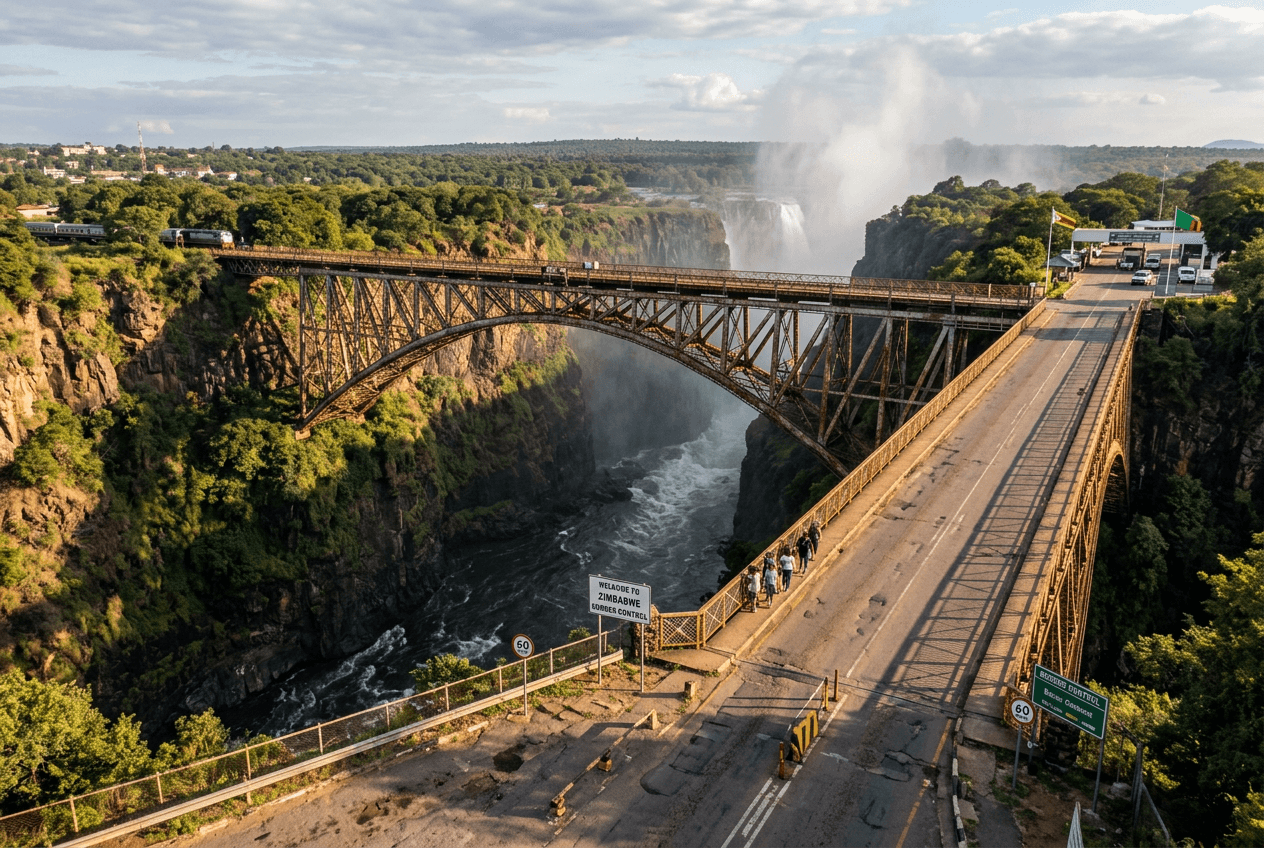
Until member states sign and activate the treaty, travelers crossing borders between members like South Africa, Namibia, Botswana, Zambia and Zimbabwe must follow existing national entry rules. Anyone mapping circuit routes still needs individual visas or fee payments at each crossing, as detailed in our destination guides.
Tourism focus excludes remote work and residency
The treaty covers short-term leisure tourism and multi-country transit circuits. SADC designed the system to increase visitor numbers and regional travel, not to create a unified work or residence zone.
Remote workers can't use the upcoming UNIVISA as a remote-work authorization or extended stay permit.
Digital nomads planning multi-month stays across the region must continue securing separate national permits and should monitor updated border and visa rules for each specific country rather than budgeting around a single regional permit.
Frequently asked questions
What is the SADC Tourism UNIVISA?
Can remote workers use the SADC UNIVISA?
Is the SADC Tourism UNIVISA available yet?
Do travelers still need individual visas in SADC countries?
Has SADC published the visa fee or stay length?
Which countries are mentioned in the rollout of the SADC UNIVISA?
Don't miss the next nomad update
Visa changes, travel alerts, and destination news — delivered when they actually matter.