Qatar Updates Residency Rules and Prepares for GCC Unified Visa

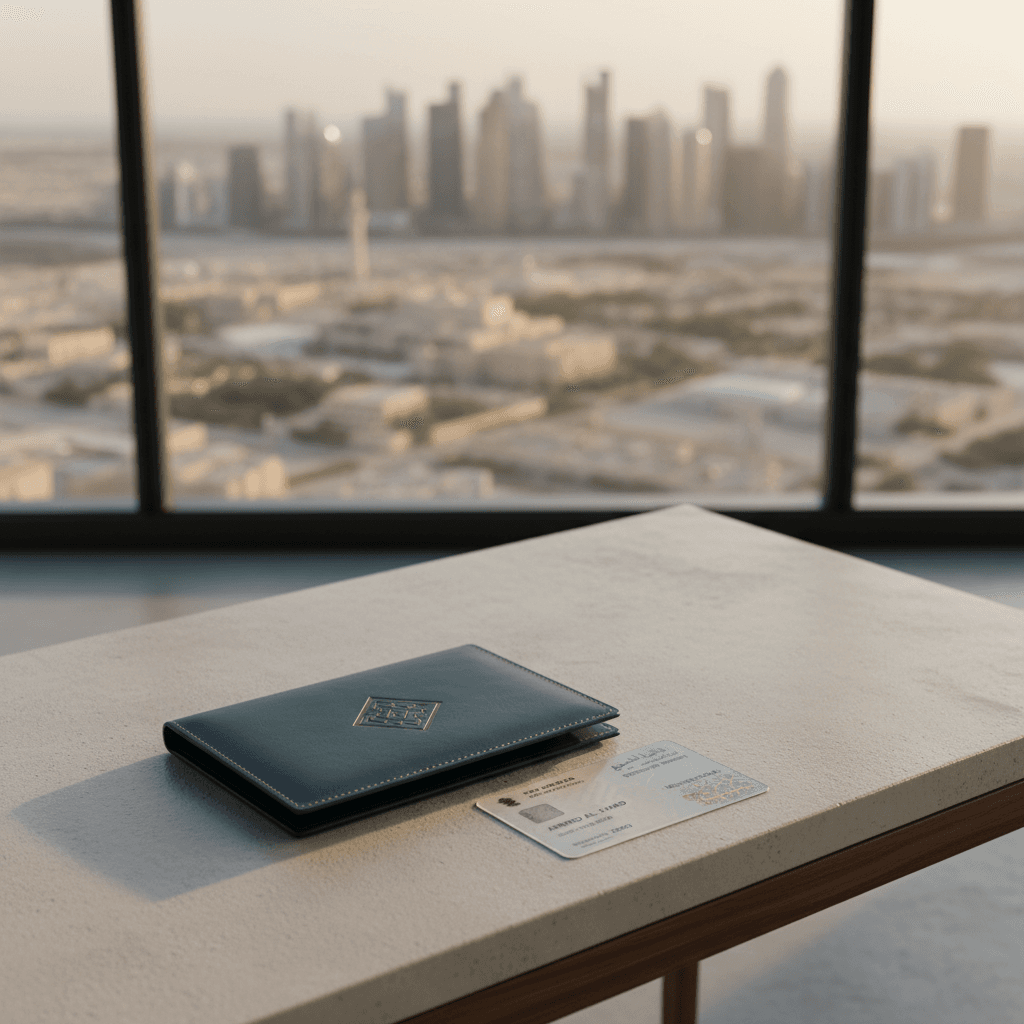
Qatar is significantly expanding its long-term stay options by introducing a 10-year residency track for entrepreneurs and senior executives. This move builds on the existing five-year framework, aiming to attract high-level talent without requiring massive capital investments. To qualify, entrepreneurs generally need endorsement from a local incubator like the Qatar Development Bank and a modest bank balance of roughly $10,000.
In addition to residency changes, the Gulf region is preparing for the GCC Unified Visa pilot. Often compared to the Schengen area, this permit will allow travelers to visit all six GCC nations, including Saudi Arabia and the UAE, under a single application. While the unified visa is expected to pilot in late 2026, Qatar’s internal labor reforms already allow for easier job mobility by removing the need for a No Objection Certificate (NOC) when switching employers.
Who is affected
- Entrepreneurs and Executives: High-earning professionals or endorsed startup founders can secure decade-long, self-sponsored stays for themselves and their families.
- Digital Nomads: While the 10-year track requires local endorsement, remote workers can still access separate visas with monthly income proof between $3,500 and $5,000.
- Regional Travelers: Tourists planning "Gulf-hopping" trips will benefit from the upcoming unified digital portal, streamlining multi-country itineraries.
Next steps for applicants
If you are looking to secure long-term status, start by seeking endorsement from approved entities like the Qatar Science & Technology Park. You will need to provide a three-month bank statement, a clean police clearance, and a valid passport.
The application process typically moves through the Jusour platform, followed by medical screenings and fingerprinting. While the unified visa fee is expected to range between $100 and $150, the 10-year residency fees are anticipated to mirror previous professional visa costs of approximately QAR 4,000 to 5,000. Check the latest nomad news for updates on when the digital portal for the unified visa goes live.
Read our full Qatar guide for the complete picture.
Frequently asked questions
Who can qualify for Qatar's 10-year residency program?
What documents are needed for Qatar's long-term residency application?
How much income do remote workers need for Qatar's separate visa options?
What is the GCC Unified Visa?
When is the GCC Unified Visa expected to pilot?
Can expats in Qatar switch employers without a No Objection Certificate?
Stay updated on Qatar
Visa changes, travel alerts, and destination news — delivered when they actually matter.