New 1% US tax hits cash transfers sent by nomads and expats

How the remittance tax works
The U.S. has a 1% excise tax on certain cash-funded remittance transfers sent abroad and it has applied to transfers made after Dec. 31, 2025. The tax came in under Section 4475 of the Internal Revenue Code, enacted in the One Big Beautiful Bill Act signed July 4, 2025.
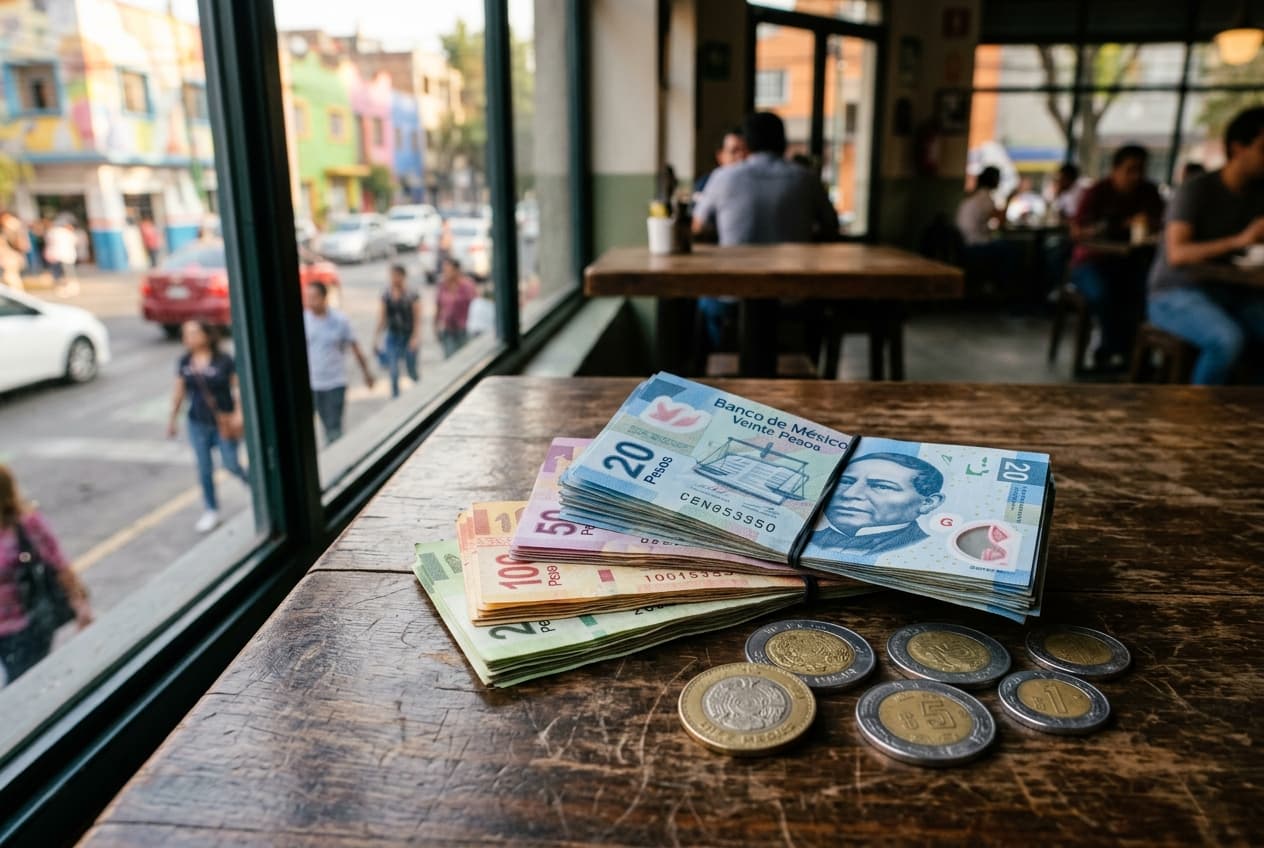
The charge applies when senders hand over cash, a money order, a cashier’s check or a similar physical instrument to providers such as Western Union or MoneyGram. It does not apply to bank wires, ACH transfers, debit or credit card payments or app transfers funded from a U.S. bank account.
Who gets hit
The tax covers U.S. citizens, residents, green card holders, visa holders and nonresident aliens sending money from the U.S. with cash-funded methods. That includes immigrants supporting family abroad, plus expats, digital nomads and travelers who still rely on physical payment methods.
Providers collect the tax at the time of transfer and send it to the IRS. The sender remains liable for the tax, though providers can face secondary liability if they fail to collect it.
What to do next
The cleanest way to avoid the tax is to switch to electronic transfers funded from a bank account. Those transfers are exempt, even when the recipient is overseas.
The IRS published proposed regulations on April 10, 2026, with comments due June 12, 2026. For now, the tax is already in force and providers are operating under filing and deposit rules tied to Form 720. Check our visa updates and country guides for destination-specific details.
Frequently asked questions
Which money transfers are subject to the new 1% U.S. remittance tax?
How can digital nomads avoid the 1% remittance tax?
Who has to pay the new remittance tax?
Does the remittance tax apply to transfers sent to overseas recipients?
When did the new remittance tax start?
Who collects the remittance tax at the time of transfer?
Don't miss the next nomad update
Visa changes, travel alerts, and destination news — delivered when they actually matter.