Strait of Hormuz Closure Triggers Largest Oil Supply Disruption in History

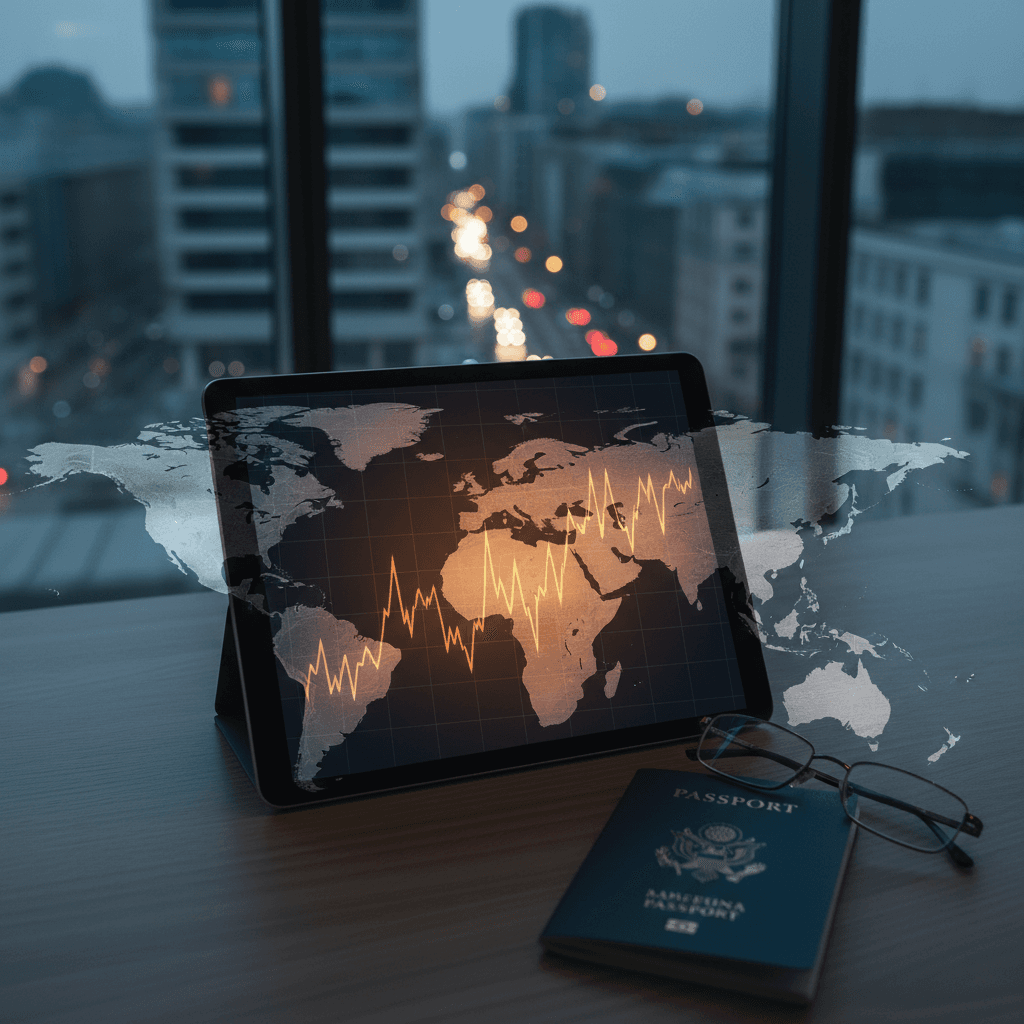
Energy shock grips markets
The IEA says the closure of the Strait of Hormuz has caused the biggest supply disruption in the history of the global oil market and traffic through the waterway is still far below normal after the April 8 ceasefire announcement. More than 600 million barrels of oil supply have been lost, while Brent crude climbed from about $80 a barrel on March 2 to more than $120 in late April.
The shock is feeding into inflation. The U.S. consumer price index rose 3.3% in March, up from 2.4% in February and the World Bank expects energy prices to jump 24% in 2026. The IMF cut its global growth forecast to 3.1% and warned growth could slip to 2.5% if oil averages $100 a barrel.
Nomads, expats and travelers face higher costs
Digital nomads and expats are seeing higher bills for fuel, food and utilities, especially in places already exposed to import costs. Families in some U.S. regions are facing an extra $100 to $400 a month, while Asia-Pacific could see the sharpest losses, with the United Nations Development Programme estimating up to $299 billion in regional economic losses.
Air travel is getting hit too. Jet fuel prices have jumped 95% in North America since the conflict began and airlines in Asia and Oceania are adding surcharges or cutting routes. Regional carriers said on May 2 it was ceasing operations, citing fuel costs.
What people and governments are doing now
Several governments have already moved to ration fuel or cut demand. Slovenia limits private motorists to 50 liters a day, the Philippines has declared a state of national energy emergency and Australia has cut fuel excise by 50%. Egypt has ordered earlier retail closures and dimmed street lights, while Thailand has frozen diesel prices for now.
For nomads booking ahead, the squeeze can hit both flights and stays, though some Southeast Asia markets could see softer accommodation prices if tourism slows. Check our visa updates and country guides for destination-specific details.
Frequently asked questions
How is the Strait of Hormuz closure affecting oil markets?
How much have oil prices increased since the conflict began?
Are flight prices and airline routes being affected by the energy shock?
Which countries have already taken action on fuel or energy use?
How are digital nomads and expats being affected by the energy shock?
Are accommodation prices likely to rise everywhere?
Don't miss the next nomad update
Visa changes, travel alerts, and destination news — delivered when they actually matter.