Navigating Pakistan’s Shift to Mandatory e-Visas

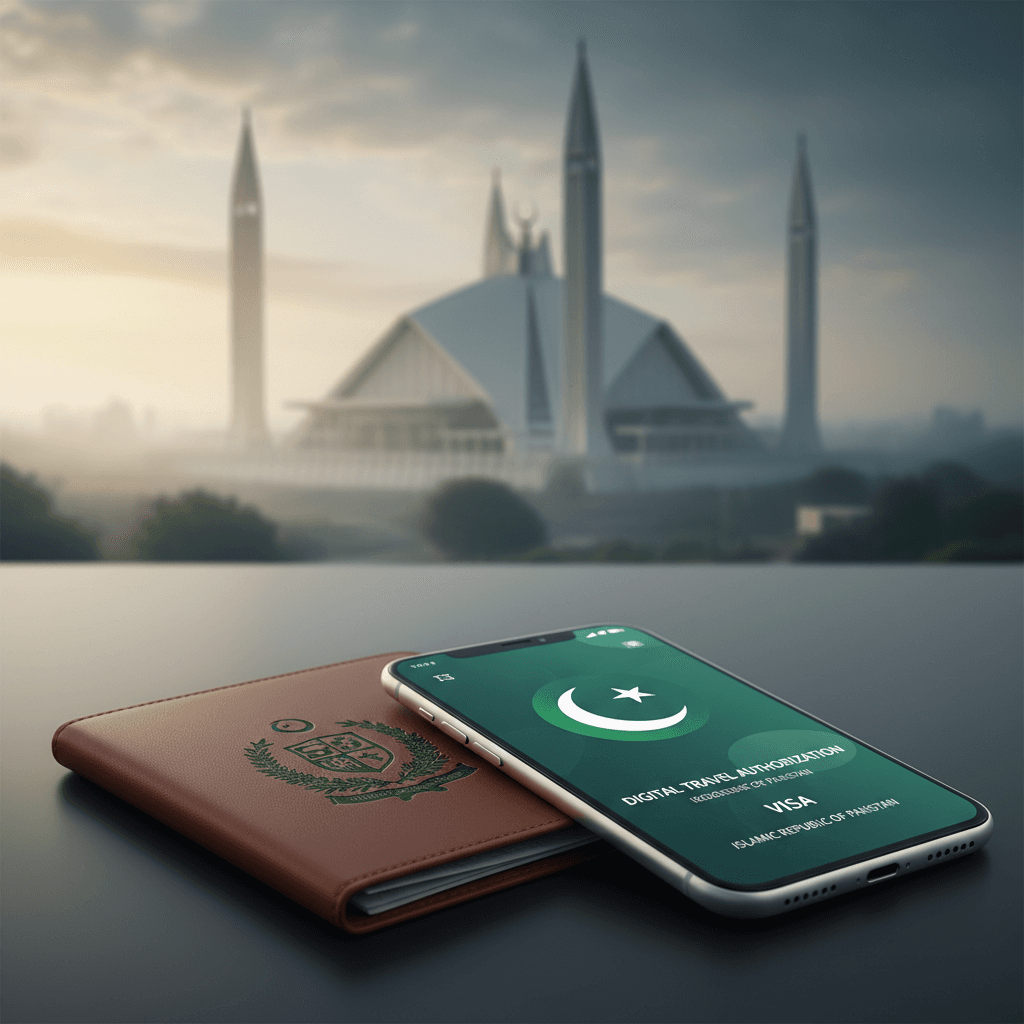
The days of spontaneous travel to Pakistan for Western passport holders have come to an end. The government officially suspended its Visa-on-Arrival (VOA) and Visa Prior to Arrival (VPA) programs on January 1, 2026, replacing the previously streamlined system with a more rigorous screening process. While the popular free entry program for 126 countries once offered approvals in under 48 hours, travelers must now secure an e-Visa well before heading to the airport.
Recent reports from mid-March indicate the Ministry of Interior is moving toward even stricter oversight. Most applications submitted through the official portal are now being routed directly to Pakistani embassies for manual review. This shift aims to enhance security screening but adds significant lead time for anyone planning a trip.
Who is affected
This change hits digital nomads, tourists, and business travelers from the U.S., Canada, Europe, and most Western nations. Only GCC nationals currently retain their VOA privileges. Short-term visitors who previously relied on the VPA program for quick turnarounds now face a much more formal process.
For long-term expats, the lack of a dedicated digital nomad visa means relying on standard tourist or business e-Visas. These generally allow stays of up to 90 days, though business categories often require specific sponsorship documents.
What to do next
If you are planning a move or a remote work stint, update your timeline immediately. Follow these steps to stay compliant:
- Apply at least 2 to 3 weeks before your departure date; processing now takes 7-10 business days.
- Prepare your digital documents, including a passport valid for 6+ months, hotel bookings, a detailed itinerary, and a formal invitation letter if required.
- Pay the processing fee, which typically ranges from $35 to $50 USD, and print the approved PDF e-Visa.
Airlines are strictly enforcing these rules and will deny boarding to anyone without the printed e-Visa. Keep an eye on nomad news for further updates as the transition to embassy-centralized processing continues.
Read our full Pakistan guide for the complete picture.
Frequently asked questions
Is Pakistan still offering visa-on-arrival or prior-to-arrival visas?
How long does a Pakistan e-Visa take to process?
How long can digital nomads stay in Pakistan on an e-Visa?
What documents do I need for a Pakistan e-Visa?
How much does a Pakistan e-Visa cost?
Do I need to print my Pakistan e-Visa before traveling?
Who still has visa-on-arrival privileges for Pakistan?
Stay updated on Pakistan
Visa changes, travel alerts, and destination news — delivered when they actually matter.