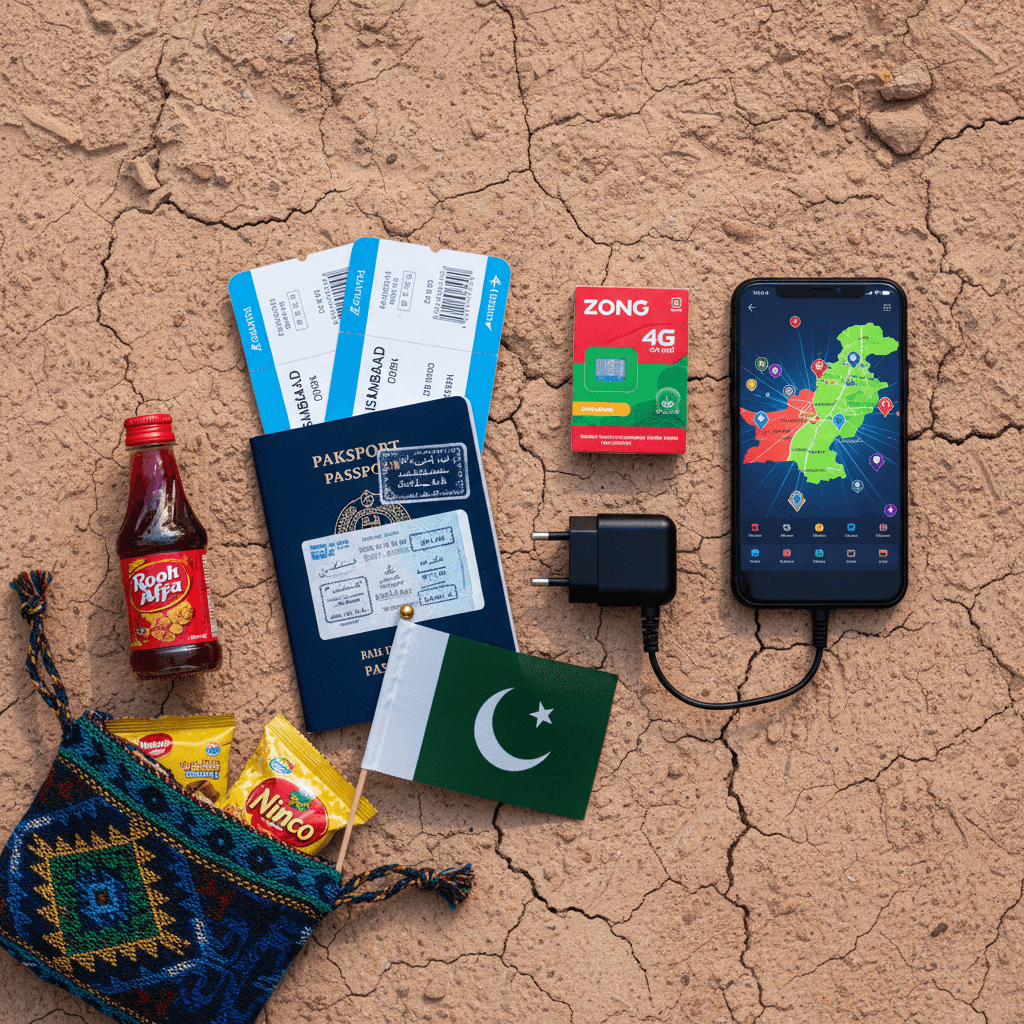
Pakistan

Policy Stability
Stamped Nomad ExclusiveHow likely visa and immigration policies are to remain unchanged
Quick Facts
N/A
6 months
Yes
$1,000/mo
22 Mbps
4/10
Medium
Medium
High
PKT (UTC+5)
Entry Methods Available
Best For
The Basics of Getting In
Pakistan has significantly streamlined its entry process over the last few years, moving away from the cumbersome embassy visits of the past. While there are 11 main visa categories available, most nomads will find themselves looking at the Tourist or Business options. The system is now almost entirely digital, managed through the Directorate General of Immigration & Passports portal.
The biggest shift for travelers recently involves the fee structure. While a temporary "free visa" scheme existed for many Western nations, that window has closed. You should expect to pay a reciprocal fee based on your nationality; for Irish citizens, the updated fee is €34 ($37) for a single-entry tourist visa (up to 90 days), with multiple-entry tourist options at €50 ($54) for up to one year and €65 ($70) for more than one year, plus a €17 ($18) single-entry transit visa option. Process your application well in advance of your flight through the Pakistan Online Visa System, as "Visa in Your Inbox" is the new standard for what used to be called Visa on Arrival.
The Tourist Visa
For most digital nomads, the standard Tourist/Visit visa is the go-to choice. If you are from one of the 190 listed countries, you are eligible for a 3-month validity period with double entry. This is perfect for those who want to use Pakistan as a base while occasionally popping over to neighboring hubs.
- Initial Stay: Up to 90 days.
- Entry Type: Double entry is standard for most nationalities.
- Extensions: You can extend your stay via Regional Passport Offices (RPOs) for a total of 6 months.
- Overstay Policy: There is a 14-day grace period for overstays, after which surcharges start at $50 for stays exceeding two weeks, rising to $200 for stays up to three months and $400 for stays up to one year.
If you find yourself falling in love with the mountains in the north, the rules are slightly more generous. Extensions for those staying in the Northern Areas can include an additional 3 months and an extra re-entry permit.
The Business Visa Alternative
If you are running a registered company or have legitimate business ties in the country, the Business Visa is an incredibly powerful tool. Pakistan offers a 5-year multiple-entry visa to citizens of 96 specified countries, including the US, UK, Australia, and China. These are often processed within 24 hours at Pakistani missions abroad.
- Duration: Valid for 5 years with multiple entries.
- Extension: RPOs can grant 1-year extensions locally.
- Fees: For Irish citizens, work or business visas are currently listed at €95 ($103) for single-entry up to 90 days, €145 ($157) for multiple-entry up to one year, and €190 ($205) for multiple-entry beyond one year.
Visa in Your Inbox vs. E-Visa
The terminology can be confusing, but here is how it works. You apply online before you travel. Once approved, you receive an Electronic Travel Authorization (ETA). You must print this out and show it at the airport to have the actual visa stamped into your passport. This is what the government now calls "Visa in Your Inbox."
For those traveling in groups, there is a specialized 30-day multiple-entry Visa on Arrival available to citizens of 24 "Tourist Friendly Countries." However, this requires you to be part of a tour organized by a designated operator in Pakistan, which might feel a bit restrictive for the independent nomad lifestyle. All applications must go through the Pakistan Online Visa System before departure, and standard tourist visas typically take seven to 10 working days to process, while multi-entry tourist and work permits can take up to four weeks.
Important Considerations for 2026
The landscape changed on January 1, 2026, when the free Visa Prior to Arrival (VPA) program for 126 countries was officially discontinued. If you are from the US or the EU, you are now required to pay the standard visa fees and provide more robust documentation than was required during the 2024-2025 pilot program. Processing times have also lengthened slightly, so do not leave your application until the last minute.
While 49 countries have visa-free agreements with Pakistan, these almost exclusively apply to diplomatic or official passports. If you are traveling on an ordinary passport, assume you need a visa unless you are from the Maldives or Nepal, which enjoy 1 to 3 months of visa-free entry.
Extension and Overstay Details
Staying legal is relatively easy if you plan ahead. The Ministry of Interior handles long-term extensions, but for most nomads, a trip to a local Regional Passport Office is enough to add a few months to your stay. Keep these numbers in mind:
- Standard Extension: Up to 6 months total stay.
- Business Extension: Up to 1 year via RPO.
- Late Fee: Surcharges start at $50 after the 14-day grace period, then increase to $200 for stays up to three months and $400 for stays up to one year.
- Consolidated Categories: The system now uses 11 categories instead of the old 18, making the online forms much simpler to navigate.
Source
The Reality of Remote Work in Pakistan
If you are looking for a dedicated "Digital Nomad Visa" stamped with a catchy name, you will not find one in Pakistan. The government's current immigration framework, managed by the Directorate General of Immigration & Passports, sticks to traditional categories like tourism, business, and study. None of these officially recognize remote work for a foreign company as a standalone reason for residency.
Most nomads entering the country rely on the Tourist/Visit Visa. While this is the standard path for long-term travelers, it exists in a bit of a gray area. Technically, a tourist visa is for leisure, sightseeing, and visiting friends. Since there is no specific permit for those laptop-lifestylers working for companies in London or New York, the tourist route is the default choice for the community.
How to Secure Your Entry
Pakistan has significantly modernized its entry process through the Online Visa System. Citizens from 190 countries can apply for a tourist visa through the official portal. This system usually grants a 3-month validity with double entry, which is plenty of time to explore the mountains of Gilgit-Baltistan or the food streets of Lahore.
The process is relatively straightforward as long as you have your documents in order:
- Apply via the Pakistan Online Visa System portal for "Visa in Your Inbox."
- Wait for your electronic authorization to arrive via email.
- Present this authorization at the airport to receive your physical passport stamp upon arrival.
- Keep a digital and printed copy of your authorization at all times while traveling.
If you fall in love with the Karakoram Range and want to stay longer, you can apply for an extension at a Regional Passport Office once you are inside the country. These extensions can push your total stay to a maximum of 6 months. If you accidentally overstay, the government allows a 14-day grace period, after which surcharges start at $50 for stays beyond two weeks and rise to $200 for stays of 1 to 3 months and $400 for stays of 3 months to 1 year.
The Fine Print: Restrictions and Tax
You need to be aware of the legal boundaries here. A tourist visa explicitly prohibits local employment. You cannot sign a contract with a Pakistani company or take a local job. While the authorities rarely interfere with someone working quietly on a laptop in a cafe, any activity that looks like a formal business operation without a Business Visa could lead to deportation or future entry bans.
The Business Visa is a different beast entirely. It requires proof of trade, investment, or a letter of invitation from a local chamber of commerce. For the average freelancer or remote employee, it is usually more trouble than it is worth and does not offer a legal shortcut for remote work.
Tax is another factor to keep on your radar if you plan on staying long-term. Pakistan generally considers you a tax resident if you spend 183 days or more in the country during a single tax year. Once you hit that threshold, your worldwide income could technically be subject to progressive tax rates that climb as high as 35%. There are currently no special tax exemptions or "nomad perks" to lower this burden, so most travelers make sure to move on before they hit that half-year mark.
Visa Summary for Nomads
- Standard Stay: 3 months, double entry.
- Maximum Stay: 6 months via extension at a Regional Passport Office.
- Processing Time: Usually 7 to 10 working days, though it can vary.
- Overstay Fine: Starting at $50 after the 14-day grace period; $200 for 1 to 3 months, and $400 for 3 months to 1 year.
- Tax Residency: Triggered after 183 days in a tax year.
Source 1 | Source 2
The New Reality of Entry
Pakistan has significantly streamlined its entry process over the last few years, though the rules have tightened recently. The days of showing up at the airport and hoping for a stamp are largely over for most Western travelers. Since the start of 2026, the Visa on Arrival program has been suspended for the vast majority of the 126 countries that previously enjoyed it. If you are coming from the US, UK, Canada, or Europe, you must secure your paperwork before you head to the airport.
The exception to this rule remains for citizens of Gulf Cooperation Council (GCC) nations. If you hold a passport from countries like Qatar or the UAE, you can still obtain your visa upon landing. For everyone else, the digital route is the only way forward.
The E-Visa Workflow
The Pakistan Online Visa System, managed by NADRA, is actually one of the more efficient government portals in the region. It is open to citizens of 192 countries, making it the primary gateway for digital nomads. You will need to create an account on the official Ministry of Interior portal to start the process.
The document checklist is straightforward but strict. You will need a digital scan of your passport with at least 6 months of validity, a recent passport-sized photo, and a basic itinerary. The most important piece is your proof of accommodation. This can be a confirmed hotel booking or a Letter of Invitation (LOI) from a registered Pakistani tour operator or a local host. Standard tourist visas usually take 7 to 10 business days to process, while multi-entry tourist visas and work permits can take up to four weeks. You will receive a PDF via email; make sure to print a physical copy, as immigration officers at the border will want to see the paper version.
Costs and Staying Power
One of the biggest perks of choosing Pakistan as a base is the low barrier to entry regarding fees. Depending on your nationality and the length of your stay, a single-entry tourist visa usually costs between $5 and $25 USD. Some specific nationalities might see fees up to $60, but it remains one of the most affordable visas in South Asia.
Standard tourist visas are typically granted for 30 to 90 days. Irish citizens can apply for a single-entry tourist visa up to 90 days for €34 ($37), or a multiple-entry tourist visa up to one year for €50 ($54) or more than one year for €65 ($70). If you fall in love with the mountains or the chaos of Lahore and want to stay longer, you can apply for an extension. These are handled through the same online portal or at regional passport offices. You can generally extend your stay for up to 3 months at a time, for a total maximum stay of 6 months. Just make sure to start the extension process well before your current visa expires to avoid any administrative headaches.
The Border Run Strategy
While some nomads try to reset their clocks by hopping over a border, Pakistan is not the easiest place for a "border run." Since March 2026, the Iran border has tightened significantly, doing away with the old Rahdari permits in favor of full visa requirements. Frequent exits and immediate re-entries can also trigger scrutiny from immigration officials. If they suspect you are living in the country permanently on a tourist visa, they have the right to deny entry. It is always better to use the official extension system than to risk a denial at the border.
Overstaying and Penalties
Pakistan does not take overstays lightly, though they do offer a small grace period. If you overstay by less than 2 weeks, you generally won't face a financial penalty, but you will still need to apply for an exit permit. After that, the fines scale up quickly:
- 2 weeks to 1 month: $50 USD
- 1 month to 3 months: $200 USD
- 3 months to 1 year: $400 USD
Beyond the cost, a significant overstay can land you on a blacklist or lead to formal deportation. All fines and exit permits must be processed through the Pakistan Online Visa System before you head to the airport. Do not wait until you are at the check-in counter to handle an expired visa, as you will likely be sent back to the city to clear your paperwork first.
Source
The Investment Route: Long-Term Residency (LTR)
Pakistan doesn't currently offer a specific "digital nomad visa" or a dedicated pathway for retirees. Instead, the government has pivoted toward an investment-based system known as the Long Term Residency (LTR) scheme. This is the closest thing the country has to a Golden Visa, and it is managed through the Board of Investment (BOI).
This program is designed for those who have significant capital to commit to the country's growing sectors. You can secure residency for 5, 7, or 10 years depending on the initial fee you are willing to pay. To qualify, you must materialize an investment of at least $50,000 within your first year in the country. The government prioritizes sectors like IT, renewable energy, and agriculture.
The fee structure for these long-term slots is quite high compared to other nomad hubs:
- 5-Year Residency: $300,000 upfront fee
- 7-Year Residency: $400,000 upfront fee
- 10-Year Residency: $700,000 upfront fee
- Annual Renewal: $50,000 per year
- Dependents: Up to 7 family members can be included for an additional $50,000 each.
The application happens through the BOI digital portal. Expect the process to take 4 to 6 weeks as it involves security clearances from the Ministry of Interior. Once approved, you get a NADRA-issued ID card which makes daily life, like opening bank accounts or getting a local SIM, much smoother.
Support for Freelancers and Remote Workers
If you aren't looking to drop six figures on an investment visa, things get a bit more nuanced. While there isn't a "Freelancer Visa" by name, the Pakistan Software Export Board (PSEB) provides a facilitation pathway for high-earning IT professionals. If you have at least 3 years of experience and can show annual exports of $5,000 or more, you can register with the PSEB.
They don't issue the visa themselves, but they provide support letters that help you secure a work or business visa through the Directorate General of Immigration & Passports (DGIP). This is a solid workaround for serious remote developers or tech consultants who want a more stable legal footing than a standard tourist entry.
Retirement and Extended Stays
For those looking to spend their golden years in the mountains of Gilgit-Baltistan or the cafes of Islamabad, you should know there is no official retirement visa category. Most long-stayers rely on 1-year multiple-entry tourist visas. Fees for these vary by your home country; for instance, US citizens typically pay between $60 and $200.
While these don't grant residency rights, they allow for extended exploration. If you want something more permanent, you would need to go through the LTR investment route mentioned above. There is no age-based path to staying in Pakistan indefinitely without a business or investment hook.
The Path to Permanent Residency
Permanent residency isn't handed out automatically, even if you stay for years on a work permit. However, the LTR scheme creates a clearer bridge. After 3 to 5 years of continuous legal stay and maintaining your investment, you can apply for naturalization or permanent status through the DGIP.
You will need to stay in the good graces of the Federal Board of Revenue (FBR) by filing annual tax declarations. The government looks for "good conduct" and a clean legal record during your stay. It is a rigorous process, but for those committed to making Pakistan a permanent home base, the legal framework is finally starting to catch up with international standards.
Source
The Bottom Line
Pakistan is currently one of the most affordable frontiers for the global nomad. While the infrastructure is still catching up in some areas, your dollar stretches incredibly far here. You can realistically live a high-end lifestyle for less than the cost of a basic studio apartment in most Western cities. Most nomads find their sweet spot between $800 and $1,200 per month, which covers a modern furnished apartment, daily dining out, and a dedicated desk at a top-tier coworking space.
The pricing tiers generally break down into three categories. Budget travelers sharing spaces can get by on $400 to $500. Those seeking a "comfortable" lifestyle with a private 1BR and regular cafe visits should expect $800 to $1,200. If you want the absolute best the country offers, including luxury high-rise living and private drivers, you will spend $1,500 or more.
Monthly Rent by Hub
Housing will be your biggest variable. Prices fluctuate based on the neighborhood's security and "nomad-readiness." We recommend sticking to DHA or Gulberg in Lahore, the F-sectors in Islamabad, and Clifton or DHA in Karachi for the best internet and power backup options.
Lahore (DHA/Gulberg)
- Budget: $100 to $200
- Comfortable: $200 to $350
- Premium: $400 to $550
Islamabad (F-11/Blue Area)
- Budget: $150 to $250
- Comfortable: $300 to $450
- Premium: $500 to $700
Karachi (Clifton/DHA)
- Budget: $150 to $250
- Comfortable: $250 to $400
- Premium: $450 to $600
Food and Dining
You can eat like a king here for very little. Local street food like biryani or kebabs will only set you back $1 to $2 per meal. If you prefer mid-range restaurants or ordering via apps like Foodpanda, expect to pay $5 to $10 per person. Groceries are equally affordable if you stick to local markets, with a monthly bill averaging $100 to $150. If you crave imported cheeses or Western brands, that budget can easily double to $400 or more.
Transport and Getting Around
Avoid the local buses unless you are feeling particularly adventurous. Most nomads rely on Careem or Uber, which are reliable and cheap. A 20-minute ride across town usually costs under $3. Gasoline sits around $0.95 per liter if you decide to rent a car, though most people stick to ride-sharing. Budget $50 to $100 a month for a comfortable amount of travel within your city.
Coworking Spaces
Reliable internet and power backup are mandatory in Pakistan due to occasional "load shedding" or power outages. Coworking spaces like Daftarkhwan or Nucleus are the gold standard. A hot desk typically costs between $80 and $120 per month. If you need a private office or a fixed desk in a premium location, prices can range from $120 to $250. Day passes are available for $5 to $20 if you just need a change of scenery from your apartment.
Health and Wellness
Local healthcare is surprisingly accessible, with a standard doctor's visit costing around $10. However, for anything serious, you want a nomad-specific insurance plan. Basic emergency coverage usually runs $50 to $60 per month. More comprehensive plans that include medical evacuation and higher limits will cost between $100 and $200. It is a small price to pay for peace of mind while exploring the northern territories or busy urban centers.
Lahore: The Cultural Heartbeat
If you want to be where the action is, Lahore is your base. It is the cheapest major city on the list, offering a lifestyle that feels like a steal. You can snag a studio apartment for as little as $100 a month, and a solid meal rarely crosses the $2 mark. Total monthly costs for a comfortable mid-range life usually hover between $440 and $1,045.
The workspace scene is the most developed in the country. You will find reliable desks at places like Daftarkhwan, Kickstart, or Colabs. A monthly membership typically runs between $41 and $100. Most of these spots offer 24-hour access and unlimited caffeine to keep you fueled through late-night calls with clients in different time zones.
- Pros: Unbeatable food culture, deep historical roots, and the lowest cost of living.
- Cons: Severe air quality issues (smog), intense summer heat, and chaotic traffic.
- Connectivity: Mobile speeds average 21.8 Mbps. Stick to Zong for the most reliable 4G backup.
Islamabad: The Quiet Professional
Islamabad feels different from the rest of Pakistan. It is purpose-built, green, and significantly quieter. It is the safest bet for nomads who prioritize stability over street food tours. While it is more expensive than Lahore, with monthly budgets ranging from $575 to $1,190, the infrastructure is more reliable. Load shedding is less frequent here, and fiber internet providers like Nayatel offer the most stable connections in the country.
The city is nestled against the Margalla Hills, so you can spend your mornings hiking before heading into a coworking space like The Hive in the Blue Area. It lacks the "soul" some travelers look for in Lahore, but it makes up for it with less friction in daily life.
- Pros: Highest safety ratings, better air quality, and modern infrastructure.
- Cons: Higher rent, quieter social life, and less "authentic" grit.
- Rent: Expect to pay $108 to $360 for furnished apartments in areas like Bahria Town.
Karachi: The Coastal Grind
Karachi is a massive, sprawling megalopolis. It is the country's financial engine and home to its largest tech talent pool. If you are looking to network with local entrepreneurs and startups, this is the place. It also boasts the most consistent internet, with a 82.4% consistency rating on mobile speeds.
However, Karachi is not for the faint of heart. It is crowded, dusty, and the logistical hurdles of getting around can be draining. Coworking spaces like CoSpace are excellent, but you will spend a lot of time navigating the city's intense density. Monthly costs are similar to Islamabad, generally between $515 and $1,110.
- Pros: Most consistent internet, cosmopolitan dining, and a huge professional network.
- Cons: Overwhelming noise and pollution, high density, and logistical challenges.
- Coworking: Day rates at premium spots start around $13.70.
Faisalabad: The Budget Wildcard
Faisalabad is primarily for the nomad who wants to get off the beaten path and save every penny. Surprisingly, it currently holds the title for the fastest mobile download speeds in the country at 22.01 Mbps. There is almost no foreign nomad community here, so you will be a bit of a pioneer. It is incredibly affordable, but you will sacrifice the coworking amenities and expat-friendly cafes found in the bigger cities.
The "Must-Haves" for Your Stay
No matter which city you pick, the infrastructure requires a proactive approach. You cannot rely on a single power source or internet connection. Power outages, or load shedding, are a part of life. You should budget $100 to $200 for a Pure Sine Wave UPS or inverter system to keep your laptop and router running when the grid goes dark.
Redundancy is your best friend. Always have a primary fiber connection (like Nayatel or Fiberlink) and a secondary mobile hotspot from Zong or Jazz. For visas, most nomads enter on a standard tourist visa. Just keep in mind that staying more than 183 days in a year may trigger local tax residency rules. Stick to the major urban hubs and avoid border regions or the Balochistan province to stay within the safest zones.
Digital Infrastructure: The Ground Reality
Working from Pakistan requires a bit of strategic planning. While the country is making massive strides in fiber-optic expansion, the national average download speed still sits around 7-8 Mbps. If you are used to gigabit speeds, you will need to adjust your expectations. However, if you stick to the major hubs like Islamabad, you can find fixed broadband hitting a much more respectable 20.36 Mbps.
The government is currently pushing a National Fiberization Policy to connect millions of households, but for now, the most reliable connection is often your mobile phone. Jazz is the current frontrunner for mobile speeds, averaging 24.23 Mbps. The recent activation of the SEA-ME-WE 6 submarine cable has added significant capacity to the country's backbone, which means the frequent "slow days" of the past are becoming less common.
Top Coworking Hubs
The coworking scene in Pakistan is surprisingly sophisticated. You won't just find a desk; you'll find a community of entrepreneurs and tech talent. These spaces are your best bet for consistent power and high-speed fiber internet.
- Kickstart: With 18 locations across Karachi, Lahore, and Islamabad, they are the gold standard. They offer high-speed internet, modern meeting rooms, and a very active community.
- The Hive: Known for a more corporate, professional vibe. Their Blue Area location in Islamabad is a favorite for nomads who need a quiet environment.
- COLABS: Located in Lahore, this is the country's largest flexible workspace. The design is thoughtful, and the private offices are top-tier.
- DeskShare: A great choice if you are heading off the beaten path. They have a network in emerging cities like Peshawar, Multan, and Quetta.
- Regus: You know what you're getting here. Professional, predictable shared offices in prime commercial districts of Karachi and Islamabad.
The Cost of a Desk
Your budget will go a long way here. Monthly passes at top-tier spaces generally range from PKR 17,000 to 32,000, which is roughly $60 to $115 USD. If you only need a spot for a few days, Kickstart offers flexible options:
- Flex Desks: Starting from PKR 6,500 per month.
- Dedicated Desks: Around PKR 12,000 per month.
- Private Offices: Starting at PKR 30,000.
- Day Passes: Expect to pay about PKR 10,000 for a 12-hour shift.
Cafe Culture and WiFi Reliability
Coffee shop working is a mixed bag. In Lahore, you can rely on spots like Contra Cafe or Second Cup in Gulberg. They usually maintain 10 Mbps even during the afternoon rush and have plenty of power outlets. Karachi’s Floc is another solid bet with consistent connectivity.
Be careful with smaller local cafes. Many advertise free WiFi but struggle to deliver more than 2 Mbps when the place gets crowded. Always have a backup data plan if you have a Zoom call scheduled.
Staying Connected: Mobile Data and eSIMs
Since local SIM registration can sometimes be a hurdle for short-term visitors, eSIMs are the most convenient route. They all support 4G/LTE and allow for tethering, which is a lifesaver when the hotel WiFi fails.
- Saily: This is often the best value. You can get 20 GB for 30 days for about $16.19 to $17.99 USD. Smaller 1 GB plans start at $3.99.
- Nomad: Offers a wide range of plans. Their heavy-duty 50 GB plan costs $69 USD for 30 days, while a basic 1 GB starter is $4.50.
- Yesim: Good for those who don't want to count gigabytes. They offer unlimited data plans starting at $8 per day, or $45 for 15 days.
The Private vs. Public Divide
Pakistan operates a two-tier healthcare system that presents a stark contrast in quality. While public healthcare is technically free or very low-cost, it is generally avoided by the nomad community. Government facilities often face overcrowding, long wait times, and a lack of modern medical equipment. For anyone living the nomad lifestyle, the private sector is the only realistic way to go.
Private hospitals in major hubs like Islamabad, Lahore, and Karachi offer a standard of care that rivals Western facilities. Doctors here are frequently Western-trained, speak excellent English, and have access to the latest diagnostic technology. You will pay more out of pocket than a local would at a public clinic, but the efficiency and sanitation are worth every cent.
Top-Tier Hospitals for Nomads
If you need medical attention, stick to the recognized international centers. These facilities have dedicated departments for foreign patients and streamlined billing processes.
- Islamabad: Shifa International Hospital is the gold standard. It is JCI-accredited with over 550 beds and every specialty imaginable. Maroof International is another excellent, modern option in the capital.
- Karachi: Aga Khan University Hospital is widely considered the best medical institution in South Asia. It is the top choice for complex procedures or emergencies.
- Lahore: Doctors Hospital and Hameed Latif Hospital are the primary go-to spots for high-quality private care and specialized consultations.
Insurance and Coverage
You won't be able to access local government health schemes like the Sehat Sahulat Program, so having your own coverage is a requirement for peace of mind. You have two main routes depending on how long you plan to stay in the country.
Local private insurance from providers like EFU Life or Jubilee is surprisingly affordable, typically costing between $25 and $60 per month. These are great if Pakistan is your sole destination. However, most nomads prefer global plans like SafetyWing, Genki, or Cigna. These usually run between $50 and $200+ per month but offer the massive advantage of medical evacuation and direct billing, meaning you won't have to front thousands of dollars in an emergency.
What You Will Pay
Even at the best private hospitals, medical costs in Pakistan are significantly lower than in the US or Europe. You can often walk in and see a specialist for less than the price of a pizza back home.
- General Practitioner Visit: $4 to $13 (PKR 1,000–3,500)
- Specialist Consultation: $9 to $18 (PKR 2,500–5,000)
- Full Health Checkup: $20 to $50
- Private Hospital Room: $30 to $80 per day
- Rhinoplasty / Nose Surgery: $430 to $900 (PKR 120,000–250,000)
Pharmacies and Prescriptions
Pharmacies are everywhere in Pakistani cities. For the best experience, stick to reputable chains like Servaid, Fazal Din’s, or D.Watson. These shops maintain proper cold-chain storage for sensitive meds and have a lower risk of counterfeit products.
Many medications that require a prescription in the West, such as basic antibiotics or asthma inhalers, are available over the counter here. A course of antibiotics might only cost you $1 to $3. That said, if you take controlled substances or psychiatric medication, bring your original prescription and a doctor's note to avoid any issues at customs or when restocking.
Emergencies and Ambulances
In an emergency, dial 1122 for Punjab Rescue or 15 for the Edhi Foundation. While the Edhi ambulance network is the largest in the world, their vehicles are often basic transport units without advanced life support equipment. In major cities, it is often faster to call a private hospital like Shifa directly for their specialized ambulance service. If you are trekking in the north or staying in rural areas, remember that response times will be slow; this is where a global insurance policy with evacuation coverage becomes a lifesaver.
Managing Your Finances in Pakistan
Sorting out your money is one of the first hurdles you will face when setting up shop in Pakistan. While the country is heavily cash-reliant, the digital infrastructure is improving rapidly. You will find that a mix of international fintech apps and local mobile wallets is the most efficient way to keep your life running smoothly without carrying around bricks of cash.
Opening a Bank Account
For most nomads, the Roshan Digital Account (RDA) is the gold standard. It is designed specifically for non-residents, allowing you to open an account entirely online. You do not need to step foot in a physical branch, and the setup usually takes about 48 hours. You can hold your balance in Pakistani Rupees (PKR) or foreign currencies like USD, GBP, or EUR.
The biggest perk of the RDA is repatriability. You can move your money back out of the country whenever you want without needing special permission from the State Bank. Major providers include Bank AL Habib, Meezan Bank, and HBL. To get started, you will need to provide:
- A valid passport
- Proof of non-resident status
- Proof of income, such as a salary slip, employment contract, or business registration
- A digital "live" photo taken during the application process
- Completed FATCA forms if you are a US citizen
Digital Wallets and Transfers
While Wise is a reliable companion for international transfers and offers excellent exchange rates, Revolut has very limited functionality here. If you are coming from the UK or Europe, do not count on your Revolut card working everywhere. Instead, look into local mobile wallets like JazzCash and Easypaisa. These are the lifeblood of daily commerce in Pakistan.
You can use these apps to pay for everything from your electric bill to a street food dinner. They also integrate with international remittance services, making it easy to send money to yourself from abroad. For larger transfers, Remitly is often the fastest choice, sometimes landing in your account within minutes.
ATM Tips and Currency
The local currency is the Pakistani Rupee (PKR), currently hovering around 280 PKR per USD. You will need physical cash for smaller shops, markets, and rickshaw rides. Most ATMs in major cities like Islamabad, Lahore, and Karachi accept international Visa and Mastercard, but they come with a fee.
- ATM Fees: Expect to pay between 600 and 1,500 PKR per withdrawal.
- Dynamic Currency Conversion: Always decline the ATM's offer to do the conversion for you. Choose to be charged in PKR so your home bank handles the rate; otherwise, you might lose up to 18% in hidden markups.
- Daily Limits: Many machines cap withdrawals at 20,000 to 50,000 PKR, so plan ahead if you have a large rent payment due.
The Crypto Landscape
The legal status of cryptocurrency has recently stabilized under the Virtual Assets Act 2025. It is now legal to buy, sell, and hold digital assets through the Pakistan Virtual Asset Regulatory Authority (PVARA). However, there is a catch: you are required to pay a 15% capital gains tax on your profits.
Since the regulatory framework is still fresh, there are no fully licensed local exchanges operating yet. Most people still use offshore platforms, but you should stay cautious. Using unlicensed platforms can technically lead to heavy fines or legal trouble if you are caught in a compliance sweep. Stick to holding and avoid using crypto for daily P2P transactions until the local exchange market matures.
Summary of Transfer Options
- Wise: Best for mid-market exchange rates and low-fee international transfers. Usually takes 1 to 2 business days.
- Remitly: Best for speed. Offers competitive rates and often delivers funds on the same day.
- JazzCash/Easypaisa: Best for local payments and quick cash pickups. These have a massive agent network across the country.
- Western Union: Best as a last resort for cash pickups if you do not have a bank account set up yet. Fees are significantly higher than digital options.
Visas and Paperwork for the Family
Moving your family to Pakistan requires some heavy lifting on the administrative front. If you are working in the country, your children can typically be included on your residency permit or work visa. You will need to provide original birth certificates, marriage certificates, and evidence that you have the financial means to support everyone. Keep in mind that processing times for family sponsorships are quite slow, often taking anywhere from 8 to 18 months.
For minors under 18, the entry requirements are strict. You must provide notarized consent letters from both parents. This applies even if one parent is traveling with the child while the other stays behind. If your children were born outside of Pakistan, have their long-form birth certificates and copies of your national ID cards (CNIC or NICOP) ready for the application.
Schooling Options and Costs
The international school scene is well-established in the "big three" cities: Islamabad, Lahore, and Karachi. Fees generally fall into three categories, and you should expect secondary school or IB programs to cost about 20% to 40% more than primary years.
- Budget Schools: Annual tuition ranges from PKR 200,000 to 450,000. Options include Beaconhouse and The City School.
- Mid-tier Schools: Expect to pay between PKR 550,000 and 950,000 annually at institutions like Karachi Grammar School or Roots.
- Premium Schools: These follow Western curricula and can cost between PKR 1,100,000 and 2,200,000 or more. The International School of Islamabad is at the top of this bracket, with high school tuition reaching over $26,000 plus a one-time development fee of nearly $7,000.
Beyond tuition, budget for registration fees starting at PKR 30,000 and English language support programs which can add another PKR 200,000 to your yearly bill.
Healthcare for Children
Public healthcare is generally not an option for expats due to reliability and hygiene concerns. Private hospitals in urban centers are the standard, but even there, specialized equipment can be scarce. It is a good idea to secure international health insurance that includes emergency medical evacuation.
In an emergency, do not wait for an ambulance; it is almost always faster to drive directly to the hospital. For routine needs, online pharmacies like Sehat or Healthonline deliver prescriptions to your door. While pediatric clinics in major cities provide standard vaccinations, you should stay diligent about water hygiene and mosquito protection, as malaria remains a concern outside major urban pockets.
Family-Friendly Cities and Neighborhoods
Islamabad is the gold standard for nomad families. It is green, quiet, and full of parks and hiking trails. Neighborhoods like F-10 are specifically popular for their proximity to schools, while Bahria Town offers a gated, modern community feel.
Lahore offers a deeper cultural immersion and is generally safe for foreign families who stick to areas like DHA or Model Town. These neighborhoods are known for wide, tree-lined streets and high-end security. Karachi is the country's economic heart and has great beaches, but it comes with higher security risks. If you settle there, stick to Clifton or DHA, where you will find the most expat-friendly amenities and private security.
Childcare and Nannies
One of the biggest perks for nomad parents in Pakistan is the affordability of childcare. Private daycare centers are very accessible, with monthly rates for full-day care (9 am to 5 pm) ranging from PKR 5,000 to 14,000. For example, Tiny Hands & Feet Daycare charges around PKR 14,000 per month.
Many families choose to hire a full-time nanny. While local rates vary, they are significantly lower than Western or even Middle Eastern standards. You will find a visible security presence at most places you frequent with your kids, including restaurants and supermarkets, which provides an extra layer of comfort for many parents.
Practical Safety and Crime Rates
Pakistan often gets a bad rap in mainstream media, but the reality on the ground is different for most travelers. With a safety index of 57.6, it actually ranks higher than the United States. You will find that the risk of being targeted for your religion or ethnicity is very low, scoring only 21 out of 100 on the worry scale. The main concern for nomads is petty street crime, specifically muggings and phone snatching in crowded urban areas.
Islamabad is the gold standard for safety with a score of 68.6, offering a relaxed environment for remote work. Karachi is more intense, with a safety rating of 42.6. While street crime in Karachi saw a dip to 64,000 incidents recently, it is still the place where you need to be most vigilant. Keep your smartphone out of sight while walking and avoid carrying large amounts of cash.
Scams and Local Hazards
Like any developing hub, you might run into opportunistic scams. Touts at major tourist sites often push overpriced souvenirs or fake tours. Be wary of "fake police" who might ask for bribes or to see your wallet; legitimate officers will usually have proper identification and won't demand cash on the street. Pickpockets often work in small groups in bazaars, so keep your bag in front of you.
Taxis can be another pain point. Always agree on a price before getting in or, better yet, use ride-hailing apps to lock in a fair rate. While kidnapping makes headlines, it is exceptionally rare for foreigners who stick to established urban centers and avoid high-risk border regions. Trust your gut and stick to official currency exchange booths rather than guys offering "better rates" on the street.
Cultural Etiquette and Social Norms
Pakistan is a deeply conservative society where hospitality, or mehmanawazi, is a point of national pride. You will likely be invited for tea or dinner by people you just met. When entering a home, always remove your shoes. Use your right hand for eating and shaking hands, as the left is traditionally considered unclean.
Dress is a major part of showing respect. Men should avoid short shorts, and women should keep shoulders and knees covered. If you are visiting a mosque, women will need a headscarf. Public displays of affection are a big no-go, regardless of your relationship status. Also, Pakistanis tend to have a fluid relationship with time; if you are invited to a party, arriving 15 to 60 minutes late is actually the norm.
LGBTQ+ Considerations
The legal environment for LGBTQ+ individuals is harsh, with colonial-era laws still on the books that technically criminalize homosexuality. There is no public "scene," and dating apps like Grindr are officially blocked. You will need a VPN to access these platforms.
That said, the culture is very private. Locals generally do not pester foreigners about their personal lives as long as they are discreet. If you are traveling with a partner, it is best to refer to them as a friend or sibling in public. Discretion is your best tool here; as long as you respect local sensitivities regarding sexuality and PDA, you are unlikely to face direct trouble.
Language and Integration
English is the language of business and government, so you won't struggle in cities like Lahore or Islamabad. Most locals you meet in cafes or coworking spaces will be fluent. Urdu is the national language, and learning basic greetings like "Salam Alaikum" will go a long way in building rapport with shopkeepers and drivers.
The expat and nomad community is small but tight-knit. Most networking happens in Facebook groups or through Couchsurfing meetups. Because the scene is still emerging, locals are often genuinely curious and helpful toward foreigners. Joining a local coworking space in Lahore is the fastest way to find your feet and get the "insider" track on where to hang out safely.
Communication Tips
- Use a VPN: This is necessary for accessing blocked apps and maintaining privacy.
- Avoid Taboo Topics: Steer clear of discussing politics, religion, or criticizing the country until you have built deep trust with someone.
- Saying "No": Pakistanis often find a direct "no" rude. If you can't do something, it is softer to say you are busy or will try to make it happen later.
Understanding Tax Residency
Pakistan doesn't have a specific digital nomad visa yet, so your tax liability is determined by the calendar. You become a tax resident if you spend 183 days or more in the country during a single tax year, which runs from July 1 to June 30. If you hit that threshold, the Federal Board of Revenue (FBR) considers you a resident, and you'll be liable for taxes on your worldwide income.
If you stay for less than 183 days, you’re generally off the hook for your global earnings. In this case, you only owe tax on "Pakistan-sourced income," which typically stays at zero for nomads working for foreign clients and receiving payments into offshore accounts. Keep in mind that days spent in transit or scouting business locations still count toward your total day count.
The Progressive Tax Scale
For those who settle in for the long haul and trigger residency, Pakistan uses a progressive tax system. The rates depend on whether you are classified as "salaried" (where your salary makes up more than 75% of your total income) or "non-salaried."
For salaried individuals, the brackets look like this:
- PKR 0 - 600,000: 0%
- PKR 600,001 - 1,200,000: 1% of the amount over 600,000
- PKR 1,200,001 - 2,200,000: 6,000 + 11% of the amount over 1,200,000
- PKR 2,200,001 - 3,200,000: 116,000 + 23% of the amount over 2,200,000
- PKR 3,200,001 - 4,100,000: 346,000 + 30% of the amount over 3,200,000
- Over PKR 4,100,000: 616,000 + 35% of the excess
If you are a freelancer or business owner falling into the non-salaried category, be prepared for steeper climbs. These rates can reach up to 45% for high earners, and surcharges often kick in once your income passes the PKR 10 million mark.
Double Taxation and Treaties
The good news is that Pakistan has a robust network of double taxation treaties with 68 countries, including the US, UK, Canada, Germany, and the UAE. These agreements are designed to ensure you aren't taxed twice on the same dollar. If both Pakistan and your home country claim you as a resident, "tie-breaker" rules usually look at where you have a permanent home or where your "center of vital interests" lies. This is a safety net for nomads who might accidentally overstay their welcome without intending to shift their entire financial life to South Asia.
The Crypto Factor
Pakistan's stance on digital assets is evolving, but the tax man hasn't ignored them. Currently, profits from selling crypto are treated as capital gains and taxed at a flat rate of 15%. If you are mining or staking, that revenue is usually categorized as regular income. While there isn't a specific VAT on crypto yet, converting your coins into PKR via local exchanges can sometimes trigger fees or taxes between 5% and 10%. Residents must report their global crypto holdings, and the FBR is expected to start receiving automated data from exchanges by mid-2025.
Reporting and Compliance
If you qualify as a tax resident, you are required to file an annual tax return using Form IT-1. The deadline is September 30 each year. You’ll need to register with the FBR's online portal to submit your declarations. Staying compliant and achieving "active taxpayer" status can actually lower the withholding taxes you pay on local transactions like bank withdrawals or vehicle purchases. On the flip side, ignoring these rules can lead to fines of PKR 50,000 or more. If you plan on staying in Pakistan for more than six months, it’s worth chatting with a local tax pro to keep your filings squared away.
Connectivity and SIM Cards
Staying online is your first priority, and Pakistan makes it relatively straightforward. You can grab a physical prepaid SIM from Jazz, Zong, or Telenor at the major international airports in Islamabad, Lahore, or Karachi. You will need your passport for biometric registration; keep in mind that your SIM card validity usually matches your initial visa duration, often up to 60 days. Expect to pay between $5 and $10 per month for a generous data package.
If you want to skip the airport kiosks, eSIM providers like Nomad or SimCorner offer instant 4G and 5G data via the Zong or Telenor networks. These are great for hitting the ground running without the ID registration hassle, though they can be slightly pricier than local rates. You can top up your balance easily through the provider's official apps or at almost any "kiryana" (corner) store in the country.
Navigating the Cities
Forget hailing taxis on the street. Download Careem immediately; it is the regional equivalent of Uber and works 24/7 in all major hubs. You can choose between cars, motorbikes, or rickshaws. The "Flexi Ride" feature is particularly handy as it allows you to bid on your fare or choose a driver based on their offer. Most rides within city centers will cost you between $0.20 and $0.50.
For even cheaper transport or quick parcel deliveries, Bykea is the local favorite. It is incredibly efficient for weaving through Karachi or Lahore traffic on the back of a bike. Both apps allow for cash payments, which is often preferred by drivers, though you can link a digital card if you prefer a cashless experience.
Top Neighborhoods for Nomads
Where you park your laptop matters. Pakistan's major cities have distinct pockets that cater specifically to expats and remote workers.
Lahore
- Gulberg: The heart of the city's modern life. It is packed with upscale cafes and coworking spaces. Monthly rent for a decent apartment ranges from $100 to $200.
- DHA (Defence): Highly secure and very modern with wide roads and western-style amenities. Expect to pay $150 to $300 per month.
- Johar Town: A more laid-back, residential option with plenty of parks. Rents are affordable here, usually between $80 and $150.
Islamabad
- F-6 and F-7 Sectors: These are the gold standard for nomads. They feature tree-lined streets, easy access to the Jinnah Super Market, and a high concentration of embassies and international restaurants.
- E-7: This is a quieter, more premium residential area perfect for those who need total silence for deep work.
Booking Your Stay
Airbnb is the most reliable platform for finding furnished apartments with dedicated workspaces. You can find quality one-bedroom spots starting around $80 a month, though prices in Islamabad's prime sectors will be higher. Always message the host beforehand to ask for a speed test; you want to see at least 20 to 48 Mbps if you are doing video calls. For longer stays, check Coliving.com or Spotahome, which often list properties specifically vetted for 30-day plus rentals.
Food and Groceries
You won't go hungry here. Foodpanda is the undisputed king of delivery. Whether you want a $3 plate of local biryani or a $10 continental steak, it arrives at your door quickly. They also have a "Pandamart" section for groceries and pharmacy items. Cheetay is another solid alternative that frequently offers deep discounts in Lahore and Karachi.
Language and Communication
While English is widely spoken in professional circles and major city centers, learning a few Urdu phrases goes a long way in local markets. Download UrduPod101 for quick audio lessons and travel-specific phrases. The Lentil app is also great for beginners who want to practice basic conversations. A simple "Shukriya" (Thank you) or "Kitnay ka hai?" (How much is it?) will earn you plenty of smiles and better prices.
Safety and Emergencies
The universal emergency number in Pakistan is 911. This connects you to the Pakistan Emergency Helpline (PEHL) for police, ambulance, or fire services nationwide. If you need specific services, you can dial 15 for the police or 115 for an Edhi ambulance. Save these numbers as soon as you activate your SIM card.
Avoid common rookie mistakes like traveling solo late at night in unfamiliar areas or relying solely on Instagram photos for neighborhood research. Always verify your eVisa status through official government portals and keep a digital copy of your passport on your phone at all times.
Latest Nomad News
Pakistan enforces Rs 100 NADRA polio card for all departures starting Sept. 14
Pakistan's Border and Airport Health Departments now require all passengers departing internationally to hold a NADRA-linked vaccination certificate. Travelers needing on-site vaccination at designated airport dispensaries must arrive at least 6 hours before departure.
Irish citizens now pay 34 euros for Pakistan tourist visas
Pakistan's Ministry of Foreign Affairs published an updated visa fee schedule for Irish citizens under its revised visa framework. The changes establish new rates across tourist, business, and transit visa categories for short and long-term stays. Irish travelers and expats should review the updated pricing before submitting entry applications.
Pakistan Pak ID app adds Visa Prior to Arrival for 120 nationalities
Eligible travelers from 120 countries can now process their Visa Prior to Arrival applications through the new Pak ID mobile app. While other visa categories still require the web-based system, this update simplifies entry for short-term visitors and digital nomads scouting the country.
Navigating Pakistan’s Shift to Mandatory e-Visas
Pakistan is abolishing its visa-on-arrival and prior-to-arrival authorization systems, requiring all travelers to obtain visas through embassies or diplomatic missions. This change introduces stricter screening processes and longer lead times for expats and nomads planning to enter the country.
More Guides from South Asia
Stay Updated on Pakistan
Get notified about visa changes, policy updates, and new information for digital nomads in Pakistan.