Navigating Italy's Spring Aviation Strikes

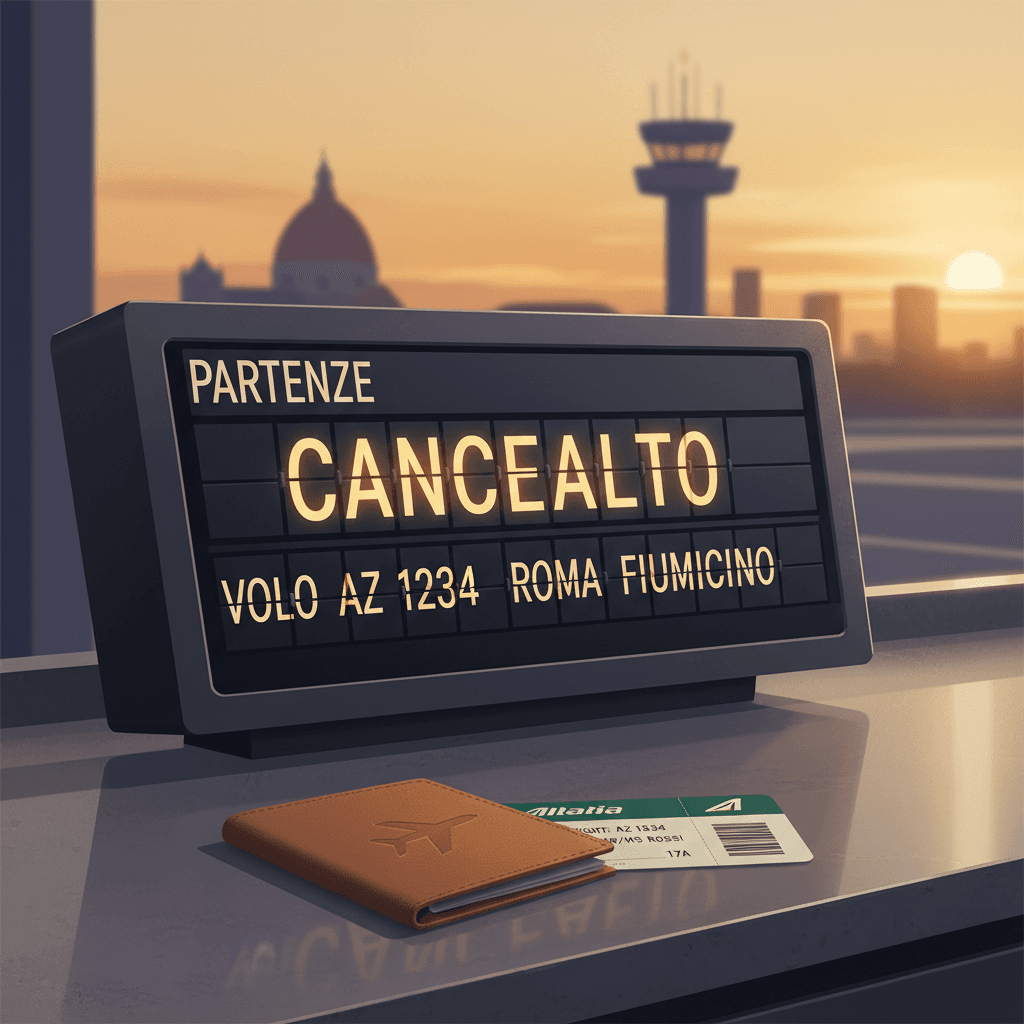
Italy’s aviation sector is experiencing a period of significant volatility as multiple unions push for higher wages and better working conditions. While there is no national strike active today, the ripple effects from a massive March 7 air traffic control walkout continue to impact schedules. That specific event, led by ENAV controllers, resulted in roughly 1,500 flight cancellations across the country.
This follows a pattern of industrial action that began in late February, where a 24-hour nationwide strike forced ITA Airways to cut over half of its scheduled flights. Disputes center on demands for 6% pay raises to counter inflation, alongside disagreements over EU-mandated flight time rules.
Who is impacted
The disruptions primarily hit travelers using major hubs like Rome Fiumicino (FCO), Milan Malpensa (MXP), and Venice (VCE). Digital nomads and expats on tight schedules are the most vulnerable, especially those flying with budget carriers like Ryanair and easyJet. These airlines often provide limited re-accommodation support compared to legacy carriers during mass cancellations.
What to do
If you are traveling through Italy this month, check your flight status 48 to 72 hours before departure via official airline apps. Another ground handling strike is already scheduled for March 18 at Milan’s airports, so plan for potential delays if you are transiting through the north.
Under EU261 regulations, strikes by airport staff or air traffic controllers are usually classified as "extraordinary circumstances," meaning airlines aren't required to pay fixed cash compensation. However, they are still legally obligated to provide:
- Full refunds or re-routing to your destination
- Hotel accommodation and transport if you are stranded overnight
- Meals and refreshments during the delay
For the latest nomad news on European travel, keep a close eye on the ENAC website for "protected flight" windows. Italian law mandates that certain flights must operate during peak hours, specifically 07:00-10:00 and 18:00-21:00 CET, even during active strikes.
Read our full Italy guide for the complete picture.
Frequently asked questions
Which airports in Italy are most affected by the spring aviation strikes?
How far in advance should I check my flight status in Italy?
Are airlines required to pay cash compensation for Italy strike cancellations?
What flight rights do passengers have during a strike in Italy?
Do any flights still operate during Italian aviation strikes?
Which airlines are most vulnerable during Italy's strike disruptions?
Stay updated on Italy
Visa changes, travel alerts, and destination news — delivered when they actually matter.