Italy maintains Level 2 travel advisory as petty crime risks rise

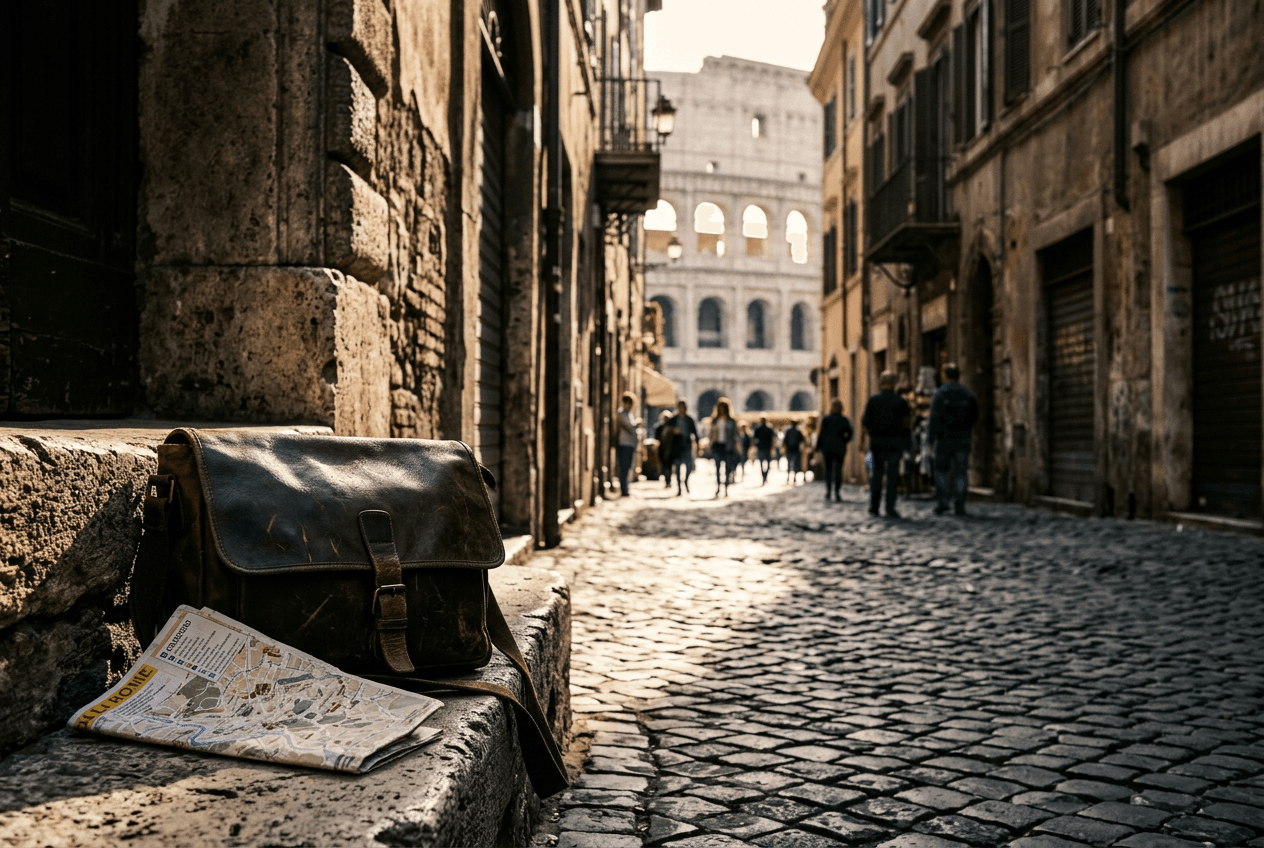
Safety and theft risks in Italian hubs
Italy remains a popular and generally safe destination, but official travel advisories from the U.S. and Australia continue to highlight persistent issues with petty crime. Authorities maintain a Level 2 status for the country, primarily due to the risk of pickpocketing and bag snatching in high-traffic areas.
Thieves frequently operate in organized groups at major transit hubs and landmarks in Rome and Florence. They often use distraction techniques, such as staged street performances or fake offers of help, to target unsuspecting travelers. While these incidents are rarely violent, they are frequent enough to require constant vigilance on buses, metros, and at crowded tourist sites.
Who needs to stay alert
While short-term tourists are the most common targets for street scams, the risks extend to other groups:
Digital nomads and expats: Those staying longer than 90 days must manage specific legal requirements, including obtaining a permesso di soggiorno (permit of stay) and registering with local police.
Transit users: Major railway stations, airports, and city-center parking lots are identified as high-risk zones for both theft and vehicle break-ins.
Shoppers: Travelers can face heavy fines or detention for purchasing counterfeit goods from unauthorized street vendors or for defacing historical monuments.
Drivers should also be aware of strict city-center access rules. Entering restricted zones without a permit often results in automated fines that can be mailed to a home address months later.
Staying compliant and secure
Navigating Italy safely involves more than just watching your wallet. Travelers must validate all train and bus tickets before boarding to avoid immediate fines from inspectors. When using ATMs, it is best to stick to machines located inside banks or well-lit businesses and always cover the keypad when entering a PIN.
For those planning an extended stay, tracking your visa updates is vital for remaining compliant with Schengen area rules. If you are staying for less than three months for tourism or study, you generally do not need a residence permit, but you are still required to report your presence through official border or police procedures. Always keep digital copies of your documents and stay informed on local conduct rules to avoid unnecessary legal headaches.
Read our full Italy guide for the complete picture.
Frequently asked questions
Is Italy still considered safe for travelers?
Where are pickpocketing and theft most common in Italy?
What scams are common in Italian cities?
Do digital nomads and expats need a permit for longer stays in Italy?
Do tourists need a residence permit for short stays in Italy?
How can I avoid fines while using public transport in Italy?
What should I know about driving in city centers in Italy?
Stay updated on Italy
Visa changes, travel alerts, and destination news — delivered when they actually matter.