Mindanao remains under heightened travel warnings

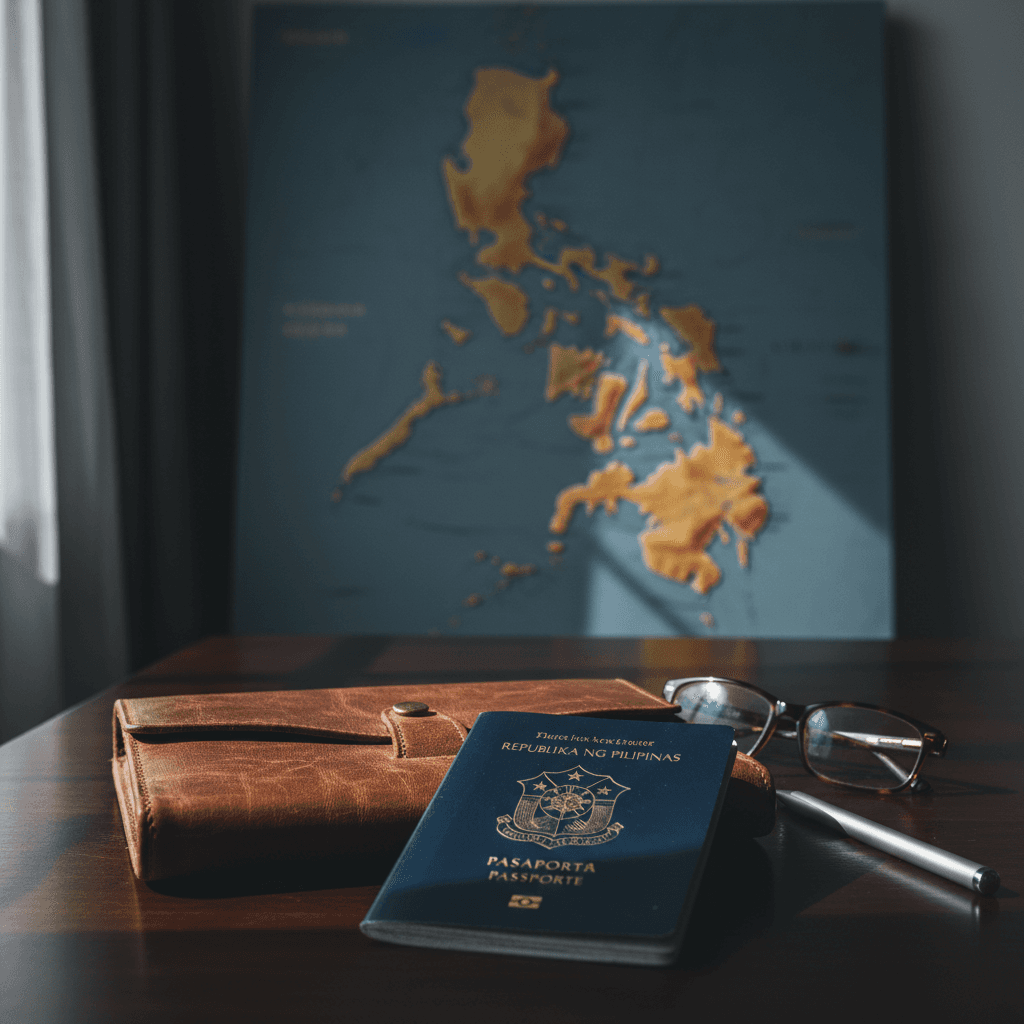
The Philippines is still under multiple foreign travel advisories for Mindanao, where the United States, United Kingdom, Canada and Australia cite kidnapping, terrorism and crime risks. The U.S. State Department keeps most of the region at Level 3 or Level 4, with don't Travel guidance for the Sulu Archipelago, southern Sulu Sea and Marawi City. Officials also warn that foreign nationals can face kidnapping by armed groups.
The research doesn't confirm the original draft’s claim of a 23% rise in kidnappings. In fact, Philippine National Police figures cited in the findings show kidnapping-for-ransom cases fell 15% in 2025, with near-zero cases reported in the months that followed.
What it means for nomads and expats
Digital nomads, expats and tourists face the clearest restrictions in parts of Mindanao, where consular support can be limited and emergency response is weaker. The U.S. advisory says some areas, including Davao City, Davao del Norte, Siargao and Dinagat Islands, are treated differently from higher-risk zones.
Safer parts of the country, including Manila, aren't covered by the same warnings, though general crime and protest-related risks still apply. The research also notes that foreign travelers remain a target group in kidnapping cases tied to armed or criminal groups.
Steps to take before traveling
There are no new entry fees or special permits tied to these advisories. Standard eTravel registration still applies to all visitors and is free online before arrival. Travelers should keep routes flexible, stay alert after dark and avoid isolated areas in higher-risk regions.
Expats and long-stay visitors still need the right visa or extension through the Bureau of Immigration and U.S. citizens can enroll in STEP for alerts. Read our full Philippines guide for the complete picture.
Frequently asked questions
Is Mindanao safe for foreign travelers?
Which parts of Mindanao are under the strongest U.S. travel warnings?
Are there special entry fees or permits because of the Mindanao advisories?
Do foreign travelers face kidnapping risks in the Philippines?
Are there safer areas in the Philippines for digital nomads?
What should travelers do before going to higher-risk areas in Mindanao?
Can U.S. citizens get alerts while traveling in the Philippines?
Stay updated on Philippines
Visa changes, travel alerts, and destination news — delivered when they actually matter.